
The atmosphere at a Jerusalem foreign policy conference highlighted a stark disconnect between Trump’s traditional base and his current administration’s actions. U.S. Ambassador Mike Huckabee addressed the palpable unease, attempting to reaffirm an "unbreakable bond" even as he acknowledged the deep-seated fears among Israeli officials. The tension stems from a perception that the White House is prioritizing domestic political optics over the long-term strategic needs of its most significant Middle Eastern partner.
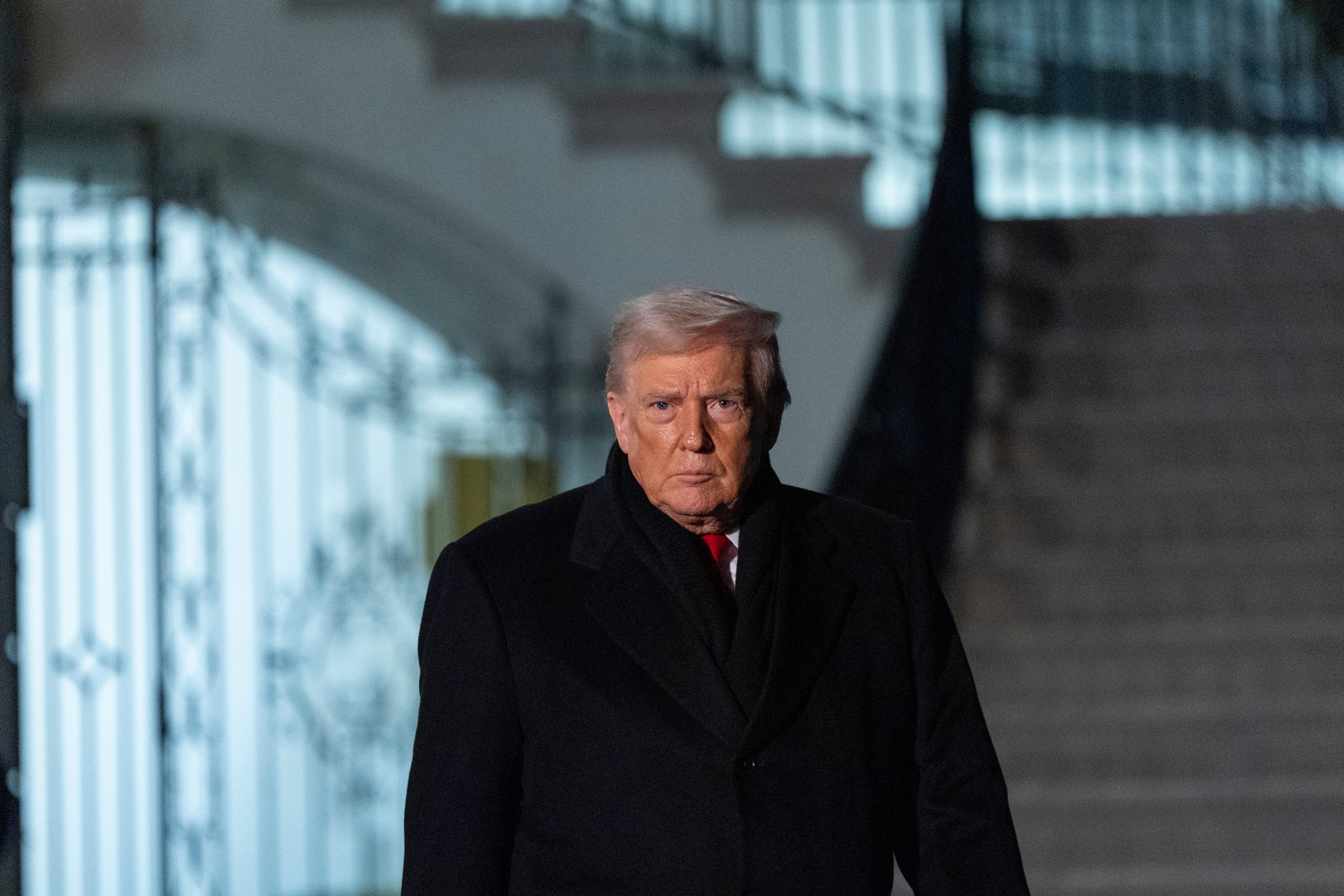
Conservative voices, including commentator Mark Levin and Heritage Foundation official Victoria Coates, sought to compartmentalize the friction. They urged Israeli leaders to look past the president’s recent inflammatory comments—which included sharp critiques of Prime Minister Benjamin Netanyahu’s military strategy and public speculation about replacing Israeli troops in Lebanon. Despite these efforts, the shift in Republican sentiment is undeniable. Recent polling data reveals that younger conservatives are increasingly skeptical of Israel, mirroring broader American fatigue regarding the ongoing conflict.
Israeli officials close to Netanyahu maintain that the public barbs are merely political theater designed to appeal to U.S. voters ahead of the November midterm elections. Nevertheless, the instability has prompted a quiet but significant shift in local strategic thinking. Ohad Tal, chair of the U.S.-Israel caucus in the Knesset, argued that the current volatility serves as a wake-up call. He suggested that Israel must accelerate efforts to bolster its own military and technological independence, effectively preparing for a future where the American security umbrella may no longer be as reliable as it once was.

Comments (0)
No comments yet. Be the first!