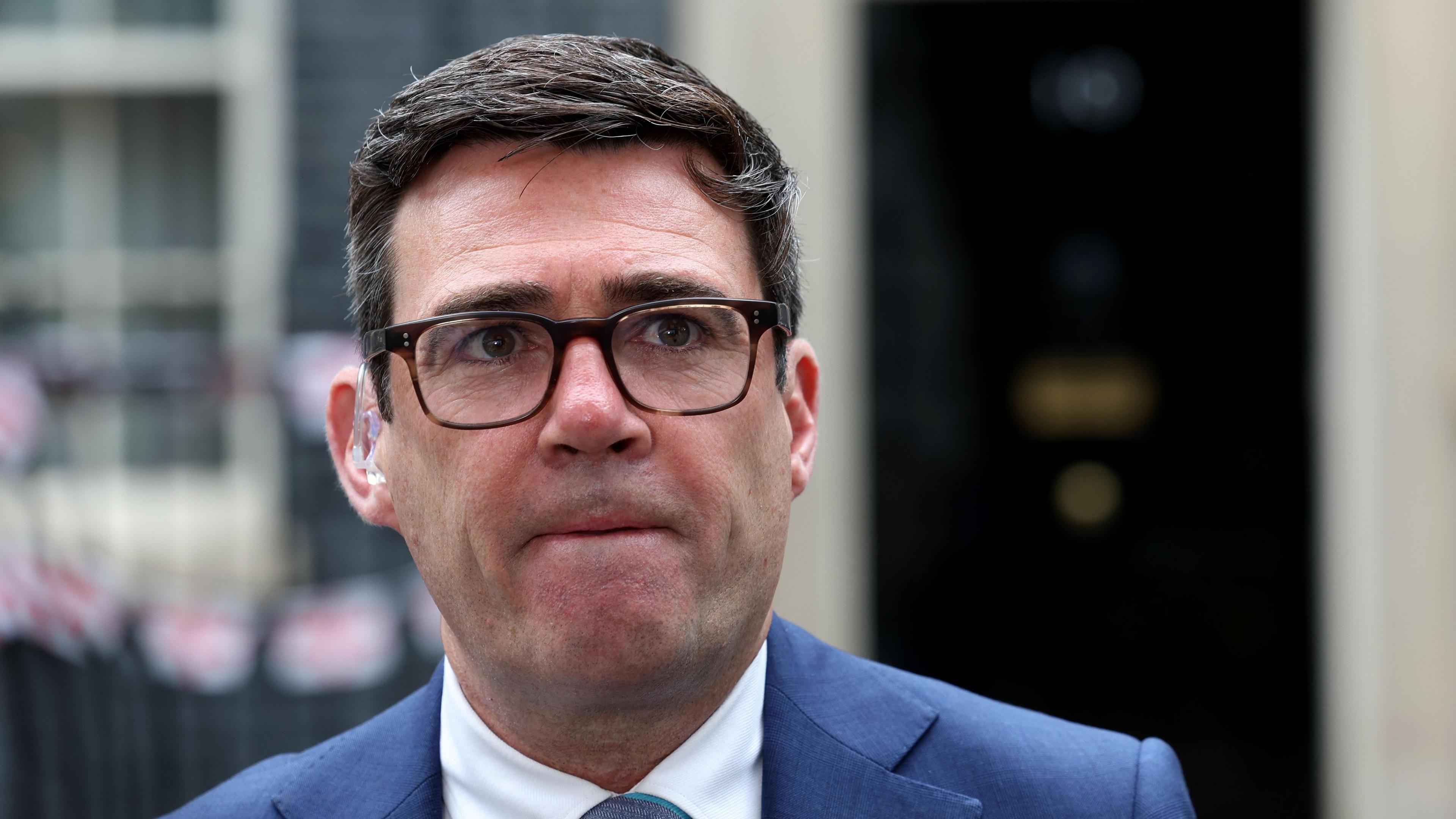
Burnham’s path to the top office is built on his tenure as regional mayor, a role he used to cultivate an image of defiance against London-centric governance. His high-profile 2020 clash with then-prime minister Boris Johnson over pandemic funding cemented his status as a politician who prioritizes local autonomy over party orthodoxy. Supporters, including MP Alex Sobel, argue this record provides a blueprint for a national agenda rooted in decentralization and state intervention. With rival Wes Streeting declining to challenge him, Burnham’s momentum is significant.
Yet, his ascent is met with skepticism from critics who point to a career marked by shifting ideological allegiances. Known for his background as a Cambridge-educated adviser and former cabinet minister under Blair and Brown, Burnham has navigated a complex path from advocating for the nationalization of key industries and EU reentry to a more pragmatic, centrist stance in recent weeks. This perceived inconsistency has previously drawn mockery from Starmer, who likened his evolving policy positions to a fair-weather sports fan. To succeed, Burnham must now prove he can move beyond regional popularity and articulate a stable, bold vision that distinguishes him from his predecessor, or risk losing the electorate’s trust within his first two years.



Comments (0)
No comments yet. Be the first!