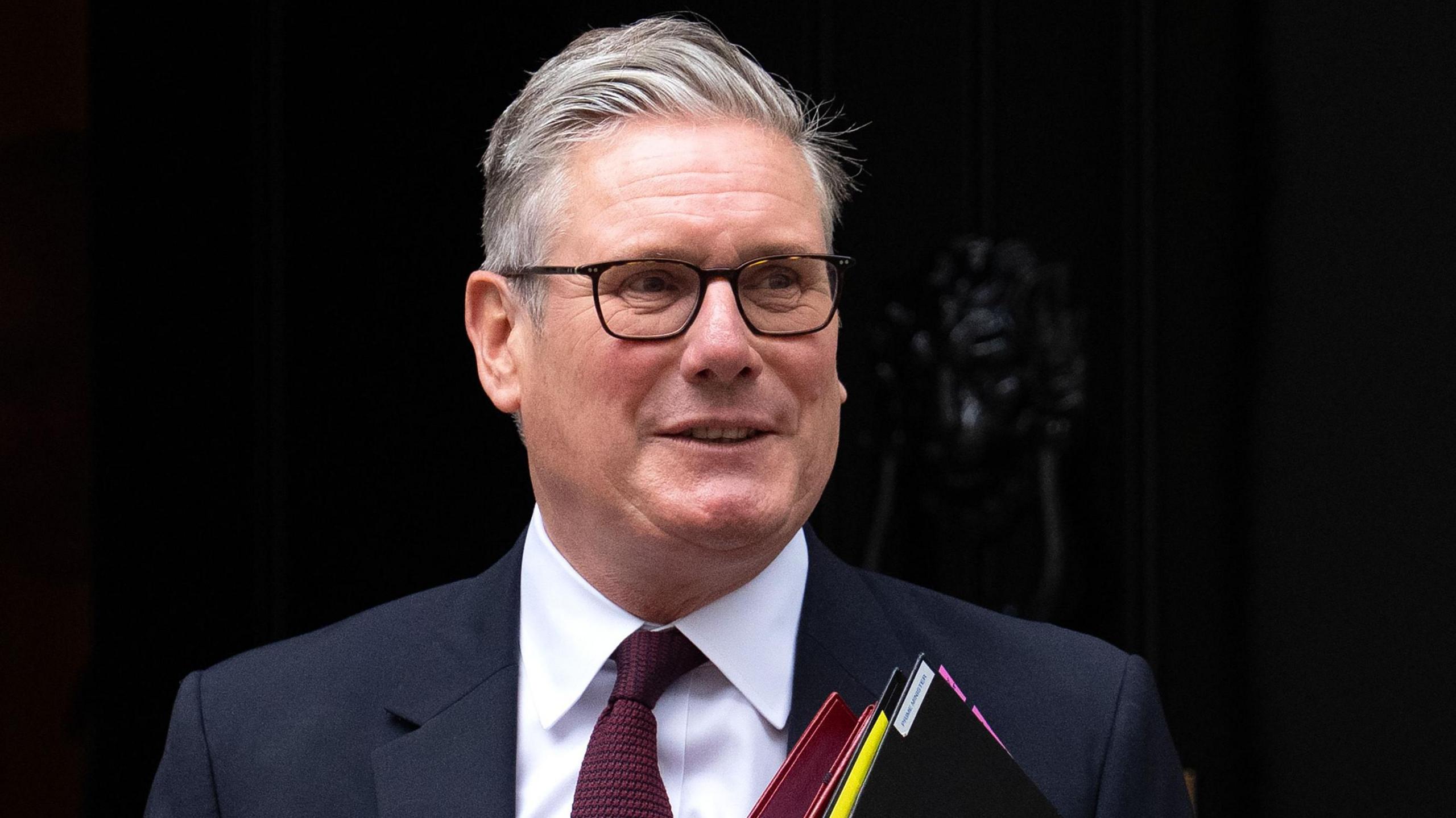
Starmer’s premiership, which began with a historic parliamentary majority in 2024, struggled to overcome a lack of ideological focus. Critics within his party described a government hindered by the absence of a "guiding light," leaving the administration vulnerable to internal factions and public frustration over policy U-turns. His reliance on a small circle of aides, including his wife, Victoria, proved insufficient to stabilize a government grappling with persistent economic stagnation and unfulfilled promises on migration and healthcare.
Pressure to resign intensified following disastrous local election results and the growing influence of the populist Reform party. Lawmakers, fearing a catastrophic showing in the 2029 general election, pivoted toward former Greater Manchester mayor Andy Burnham as a more viable alternative to combat the rise of Nigel Farage’s movement. Starmer’s attempts to modernize Labour—drawing on his background as the former Director of Public Prosecutions—ultimately failed to mask the fragility of a victory that relied heavily on tactical voting rather than broad popular mandate.
While Starmer found some success on the international stage, particularly in his early efforts to coordinate support for Ukraine, his domestic standing was irreparably damaged by administrative scandals, including the controversial appointment of Peter Mandelson. By the time of his announcement, even his closest cabinet allies had privately urged him to facilitate an orderly transition of power. Starmer now leaves behind a political landscape fundamentally altered, with the traditional two-party system fractured by the rapid ascent of Reform and a legacy of unfulfilled expectations.



Comments (0)
No comments yet. Be the first!