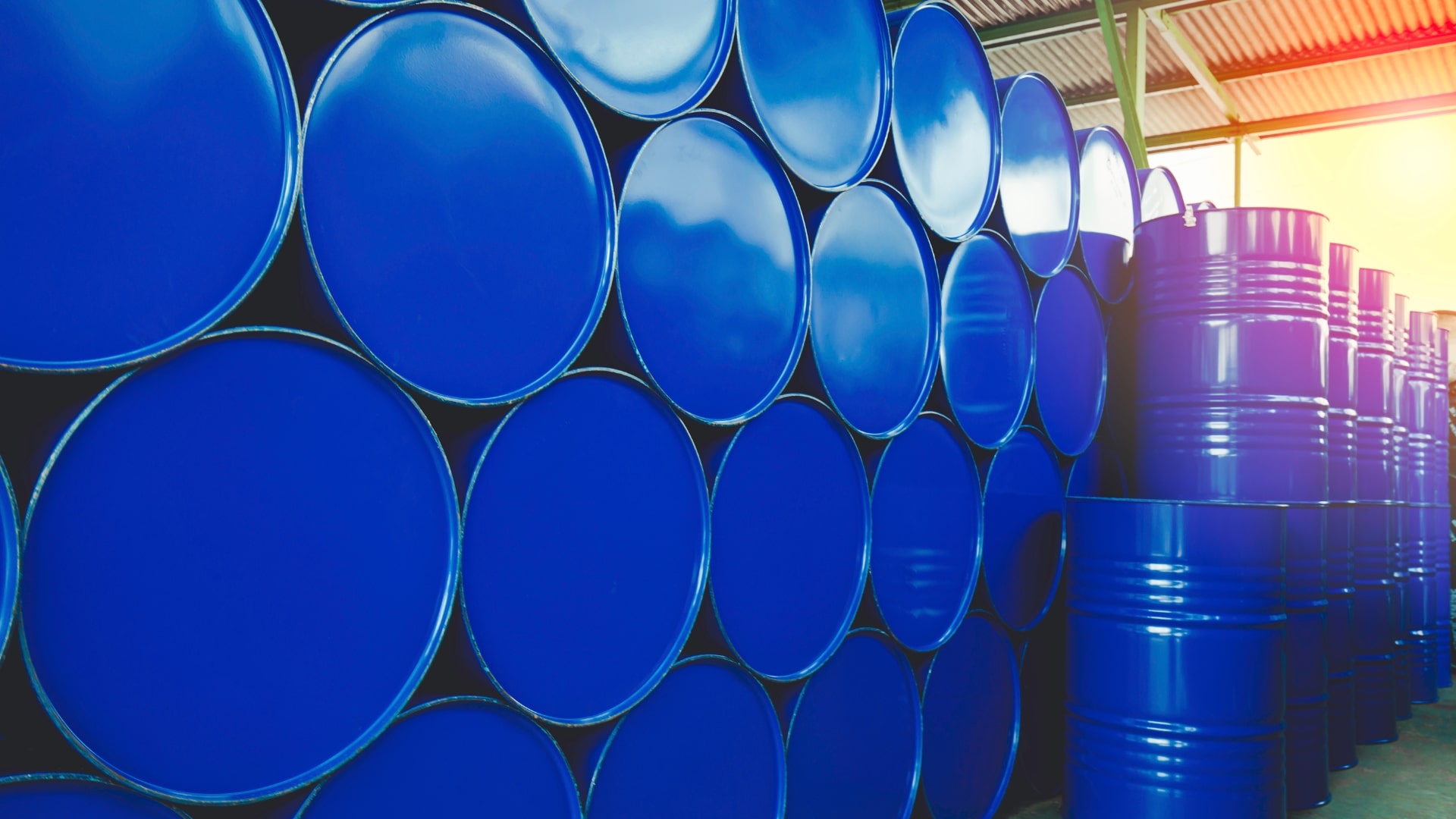
The three-month blockade of the Strait of Hormuz, which severed a fifth of global oil and liquefied natural gas supplies, forced Brent crude to nearly $120 a barrel. While the International Energy Agency (IEA) mitigated the crisis by releasing 400 million barrels from strategic stocks, the event proved that current buffers are insufficient for many import-dependent nations. China’s ability to bypass market volatility by tapping into its billion-barrel reserve provided a template for others, shielding Beijing from the economic distress that crippled neighbors like Thailand and Pakistan.
India, the world’s third-largest oil importer, is leading the push for expansion. With current reserves covering only eight days of imports, New Delhi is tasking the Oil and Natural Gas Corporation with adding 13 million barrels of capacity. Similar efforts are underway in Pakistan, Australia, and Singapore, while European nations seek to bolster government-controlled gas storage as LNG reliance grows. Even major producers like Saudi Aramco are expanding international storage footprints to ensure export flexibility.
This collective effort to hoard energy creates a massive new demand cycle. Between the need to refill the 400 million barrels depleted during the war and the construction of new strategic stockpiles, the market faces roughly 1 billion barrels of additional demand. While surging Middle East production may offset these requirements, the long-term shift is clear: countries are abandoning thin inventory models to avoid the austerity measures and fuel curbs that defined the recent crisis.



Comments (0)
No comments yet. Be the first!