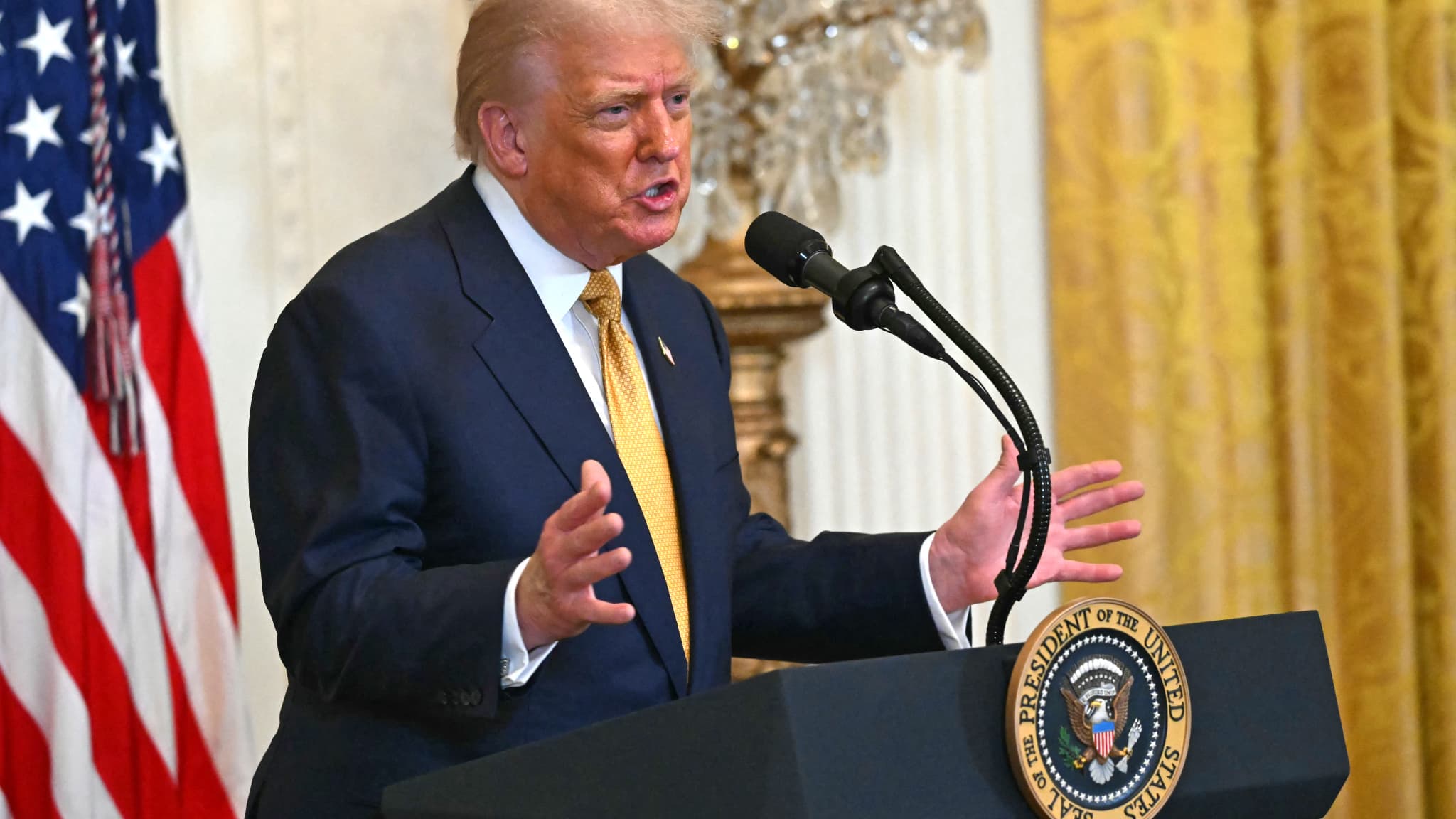
Mediators from Pakistan and Qatar confirmed the framework following late-night sessions at the Buergenstock resort. The deal includes a mechanism to halt fighting between Israel and Hezbollah, alongside a communication channel designed to ensure commercial shipping through the Strait of Hormuz. Iranian Foreign Minister Abbas Araqchi noted that the agreement includes US waivers for oil and petrochemical exports and the release of frozen assets, a development that saw global Brent crude prices dip below $80 per barrel.
Technical discussions are slated to continue throughout the week, though the diplomatic climate remains volatile. US Vice President JD Vance described the process as "messy," emphasizing a presidential mandate to reset relations. However, competing narratives persist. While a US diplomat maintained that delegations are actively negotiating in person, Iran’s Tasnim news agency suggested the Iranian team briefly stalled following public threats from President Donald Trump regarding the waterway. Meanwhile, maritime activity is showing signs of normalization; a container ship docked at Shahid Rajaee port on Monday as the US lifted its naval blockade. Israeli President Isaac Herzog signaled openness to a diplomatic resolution, provided that any financial relief granted to Tehran cannot be diverted to regional proxies or military expansion.


Comments (0)
No comments yet. Be the first!