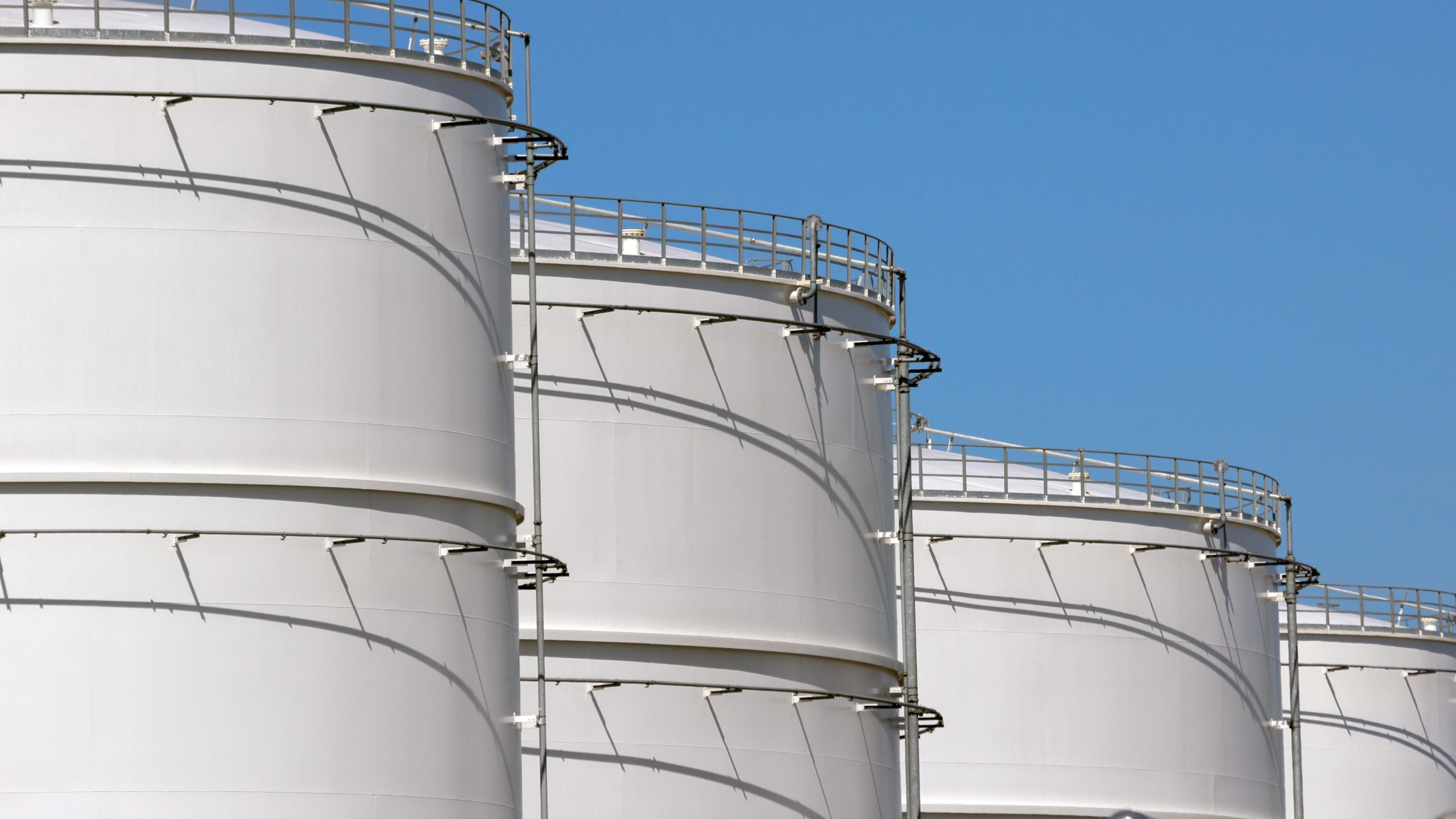
The conflict, which choked off a fifth of the world’s oil and liquefied natural gas for three months, forced Brent crude toward $120 a barrel. While the International Energy Agency’s coordinated release of 400 million barrels provided a temporary safety net, the crisis revealed deep fractures in global supply security. Countries lacking robust stockpiles were forced into austerity, implementing fuel curbs and shorter work weeks to manage the scarcity.
India, currently the world’s third-largest oil importer, sits at the center of this movement. With emergency reserves covering just eight days of imports, the government is tasking the Oil and Natural Gas Corporation with expanding storage capacity by 13 million barrels. Similarly, Pakistan and Australia are accelerating plans to bolster their domestic buffers, while Gulf producers like Saudi Aramco are exploring overseas storage to protect export flexibility. Altogether, these initiatives, combined with the need to refill depleted global stocks, could generate demand for nearly 1 billion barrels of oil in the coming years.
While the IEA anticipates a supply surge next year that could offset this new demand, the long-term impact of this hoarding strategy is structural. By creating larger emergency cushions, importers aim to mirror China’s tactical approach—stepping back from the market during supply crunches to insulate their economies from price spikes. This shift suggests a future where global energy markets are more resilient to geopolitical volatility, provided that the current precarious balance of power in the Middle East holds.


/sambad-english/media/post_banners/wp-content/uploads/2024/05/MixCollage-12-May-2024-06-15-PM-365.jpg)
Comments (0)
No comments yet. Be the first!