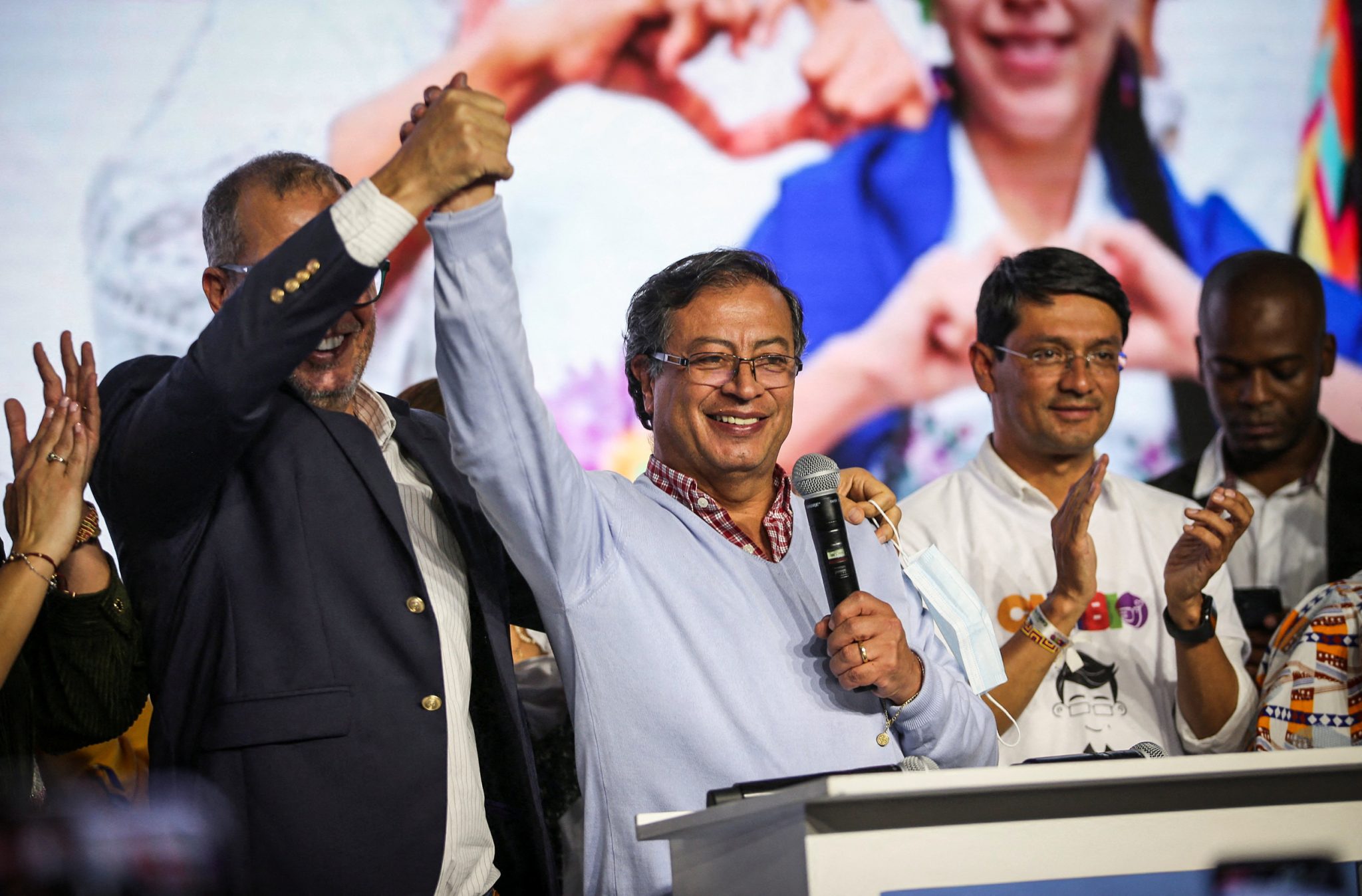
The choice before voters reflects a broader regional pivot, with neighbors like Chile, Argentina, and Ecuador recently turning toward conservative leadership. Cepeda, 63, advocates for the continuation of Petro’s signature policies, including state-funded pensions for the impoverished, labor reforms, and ongoing peace negotiations with long-standing armed groups. Conversely, 47-year-old lawyer and businessman De La Espriella proposes a stark departure: terminating peace talks in favor of a broad military offensive, boosting the oil and gas sector, and slashing the state’s size by 40%.
Security concerns dominate the public discourse, splitting the electorate between those fearing a return to intensified conflict and those demanding a crackdown on rising crime. While markets and recent polls lean toward De La Espriella, analysts warn of a razor-thin margin. The incoming president will inherit a nation grappling with significant public debt and a fractured Congress. International stakes remain high, underscored by U.S. President Donald Trump’s public endorsement of De La Espriella, signaling a potential realignment in U.S.-Colombia relations should the outsider secure victory.



Comments (0)
No comments yet. Be the first!