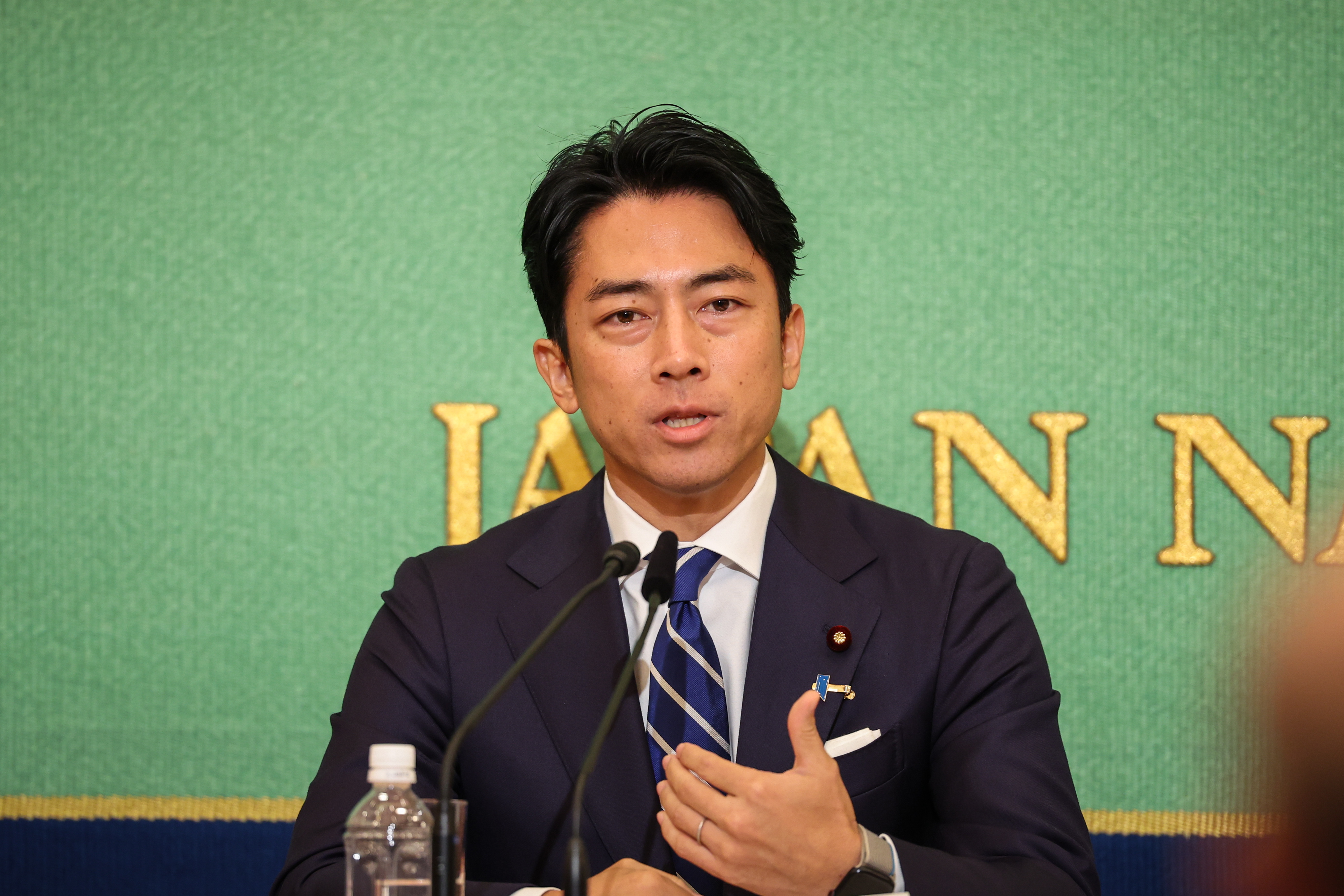
The distinction between “new” and “neo” is not merely semantic; it reveals a fundamental clash in how both nations process history and security. To Tokyo, increasing defense expenditures and relaxing arms export restrictions are necessary adaptations to a volatile environment. These moves are supported by Japan’s democratic institutions and its firm alliance with the United States, which act as institutional safeguards against any revival of prewar aggression.
Beijing’s use of “neo-militarism” carries a far heavier charge. Chinese officials argue that Japan is not just building weapons, but actively dismantling the post-1945 order by folding military ambition into national identity and social mobilization. This concern is inextricably linked to China’s view that Japan has never fully reconciled with its wartime past. Controversies surrounding the Yasukuni Shrine and history textbooks are not seen as isolated disputes, but as evidence of a country that has yet to reject the ideology that fueled its imperial expansion.
This distrust has intensified under Prime Minister Sanae Takaichi. Her perceived skepticism toward the 1995 Murayama apology and her ambiguous stance on Japan’s Three Non-Nuclear Principles have heightened anxieties in Beijing. When Takaichi suggested in November 2025 that a Taiwan contingency could threaten Japan’s survival, it signaled to China that Tokyo might intervene in a cross-strait conflict. For Beijing, this evokes the 1895 Treaty of Shimonoseki, linking modern security policy to historical trauma. With traditional diplomatic channels eroding and personal ties weakening, both nations are trapped in a security dilemma where every defensive action is read as an offensive threat, leaving high-level summits as one of the few remaining buffers against miscalculation.


Comments (0)
No comments yet. Be the first!