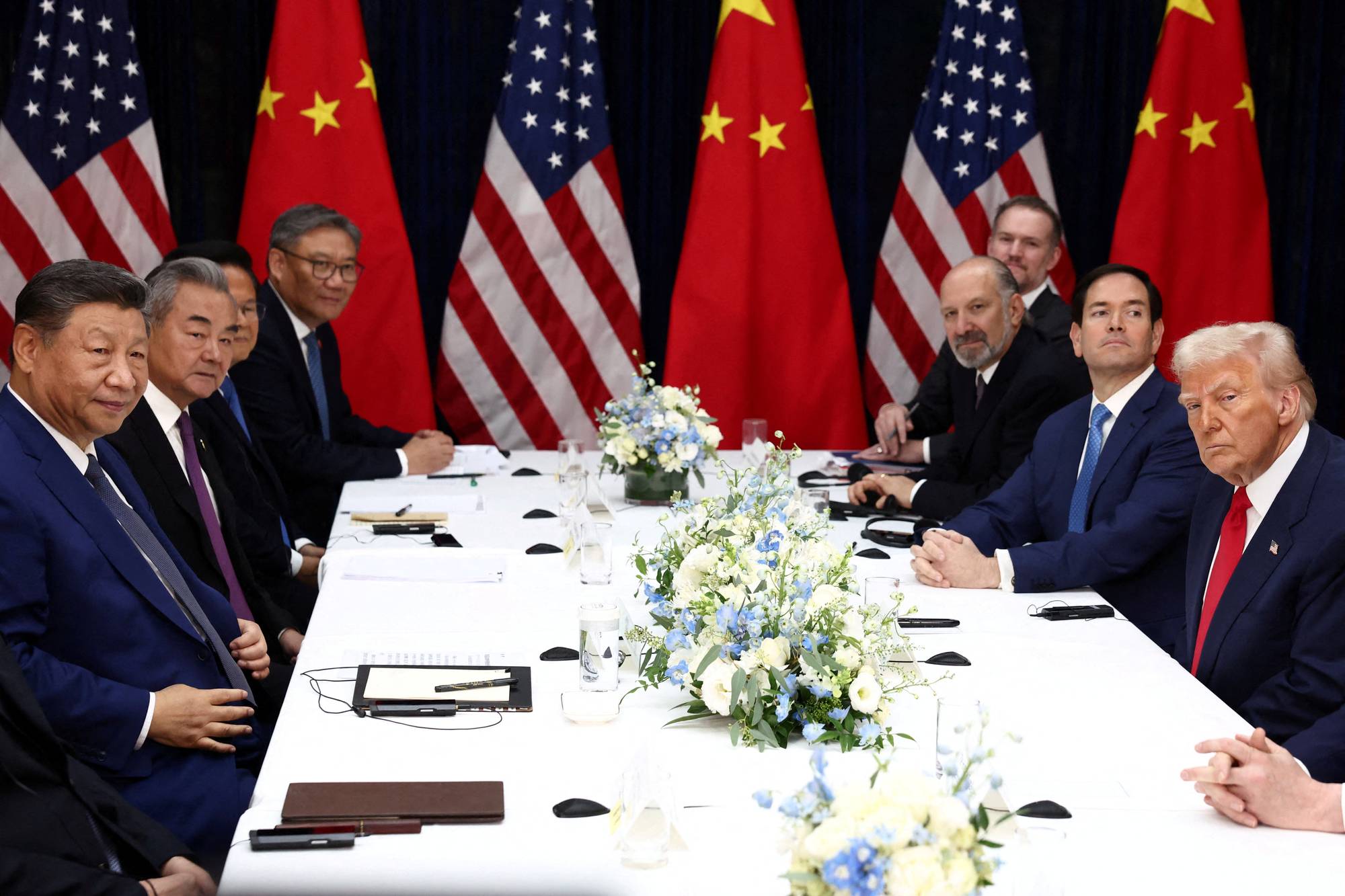
The May 13–15 summit in China produced purchase agreements and a commitment to "constructive strategic stability," suggesting both powers are seeking to manage their rivalry through direct engagement. Xi Jinping’s invocation of the "Thucydides Trap" underscored the gravity of the meeting, yet the limited public discourse on Taiwan indicated a shifting diplomatic agenda where China increasingly sets the terms. With Trump extending an invitation for a White House visit on September 24, 2026, the focus has clearly tilted toward bilateral management rather than multilateral pressure.
The Quad’s Institutional Drift
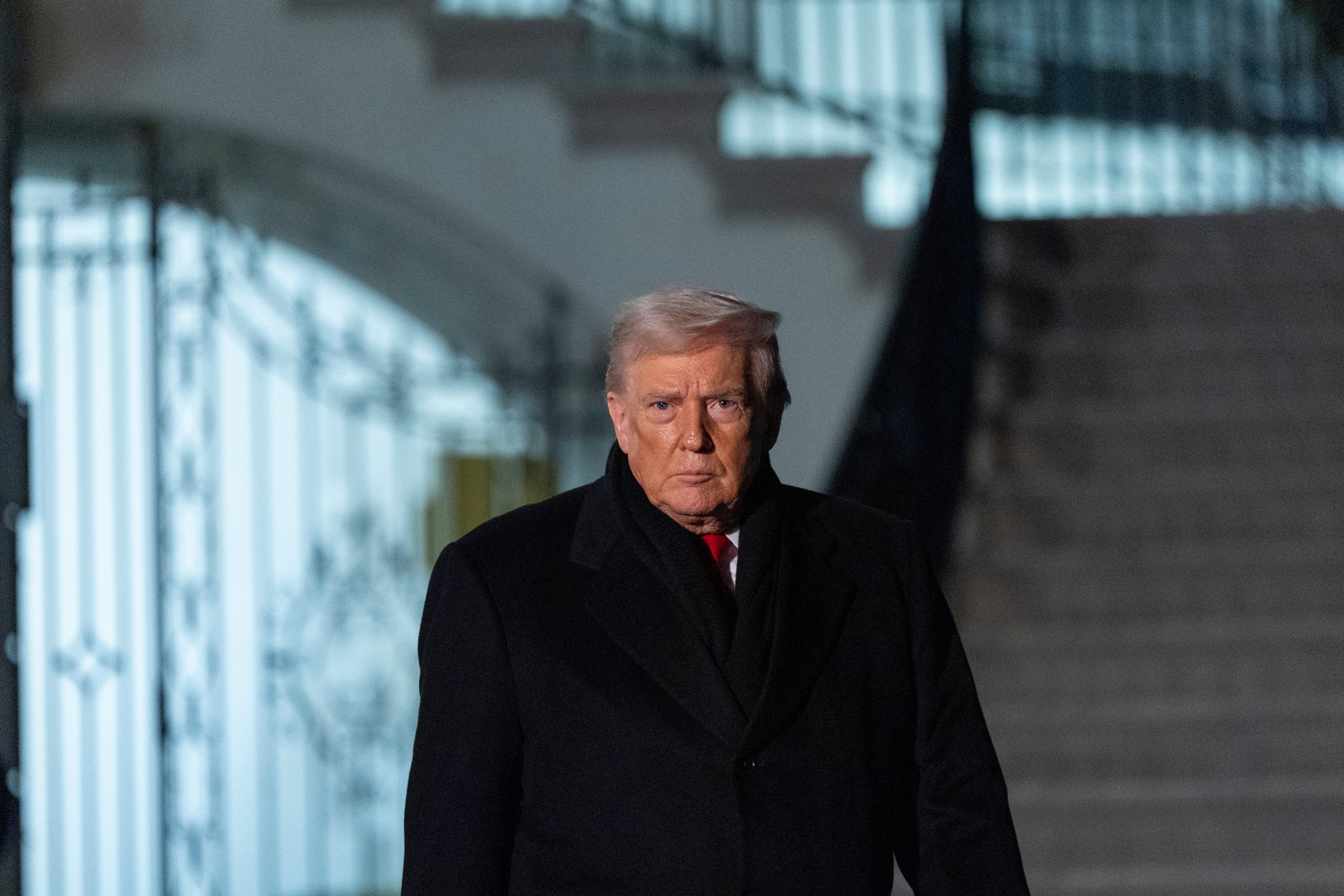
The Quad, meanwhile, remains caught in a leadership vacuum. Despite the May 26 ministerial summit in India advancing technical cooperation on maritime surveillance and supply chains, the failure to schedule a heads-of-state meeting—the last of which occurred in Delaware in 2024—reveals a thinning political commitment. Secretary of State Marco Rubio’s preference for sidelining the grouping in favor of other global forums suggests that Washington’s political capital is being diverted away from minilateral architectures. This trend is compounded by bilateral friction; India’s sharp rebuke of Trump’s attempts to mediate the 2025 India-Pakistan conflict, alongside his personal rapport with Pakistan’s Asim Munir, complicates the narrative of a seamless US-India defense partnership. For India, the lesson is clear: relying on a single strategic anchor is a liability. By exploring deeper trilateral ties with Japan and Australia, New Delhi is signaling that its regional security interests will no longer be tethered exclusively to the fluctuations of U.S. foreign policy.


Comments (0)
No comments yet. Be the first!