Tehran’s Islamic Revolutionary Guard Corps declared the Strait of Hormuz shut on Saturday, citing alleged Israeli violations in Lebanon. U.S. Central Command immediately countered this report, confirming that 55 merchant ships transported over 17 million barrels of oil through the passage, dismissing the Iranian claim as tactical posturing. President Donald Trump has since raised the stakes, floating the possibility of a U.S.-levied toll on the waterway should the broader peace process collapse.
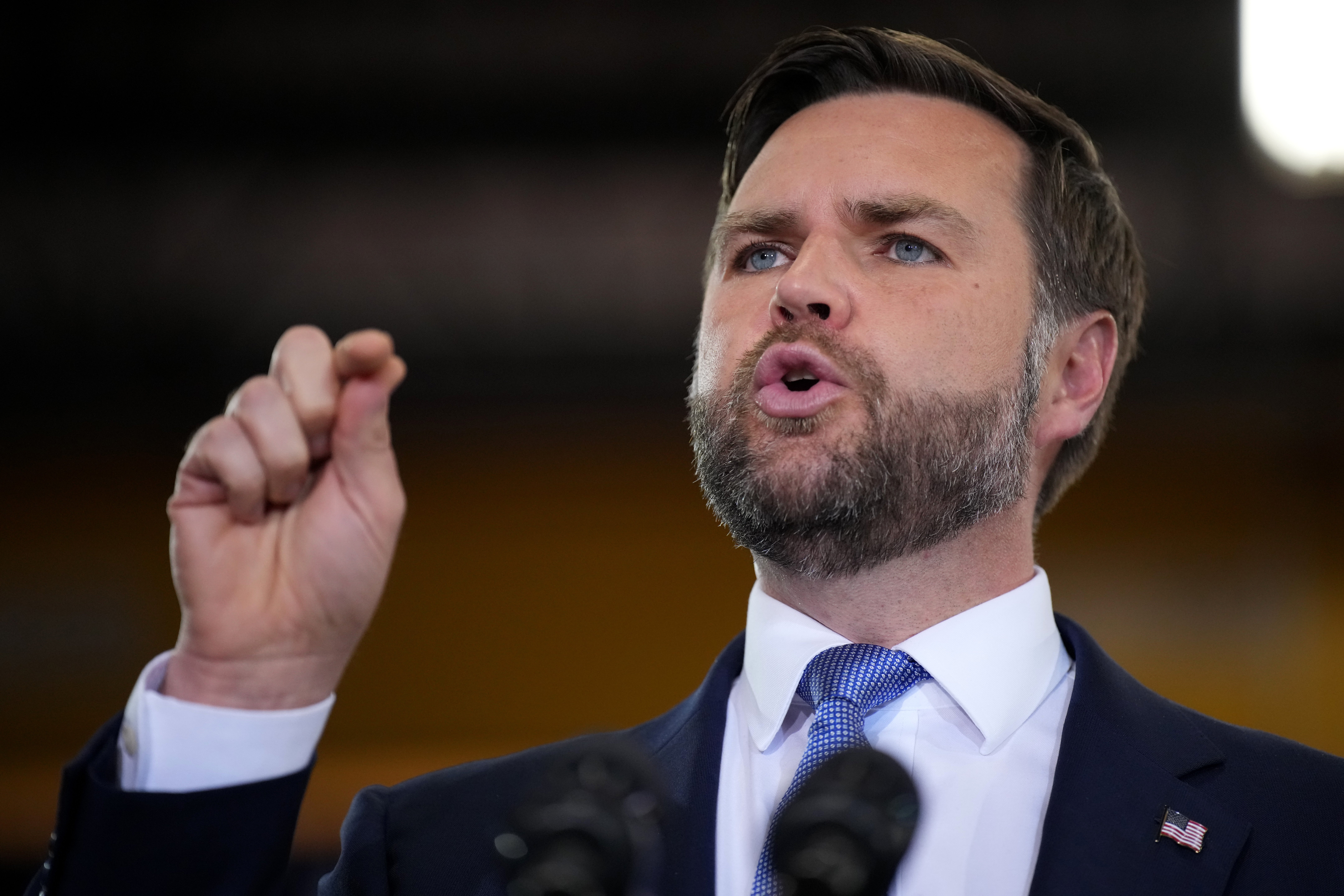
The diplomatic mission, led by Vance alongside negotiators Steve Witkoff and Jared Kushner, aims to stabilize the region following a four-month conflict. However, the path to a durable settlement remains obstructed by ongoing skirmishes in Lebanon. Despite a ceasefire, Israeli forces continue to operate in occupied territories, with Hezbollah vowing to resist any Israeli movement. Mohammad Mokhber, an adviser to Supreme Leader Ayatollah Mojtaba Khamenei, warned that energy flows will remain hostage to the negotiations unless the U.S. fully honors the 14-point agreement, specifically regarding the cessation of hostilities on all fronts.
Iran’s delegation, headed by Mohammad Baqer Qalibaf and Foreign Minister Abbas Araqchi, arrives in Switzerland with a mandate to demand strict adherence to commitments. With Pakistani leadership also present to mediate, the talks face intense pressure to address both the nuclear program and the mounting death toll in Lebanon, where local health officials report over 4,000 fatalities since March. Domestic sentiment in Israel adds another layer of complexity; a recent Hebrew University poll indicates that 92% of Israelis believe Iran has gained more from the conflict than their own government, casting doubt on the perceived achievements of Prime Minister Benjamin Netanyahu’s administration.



Comments (0)
No comments yet. Be the first!