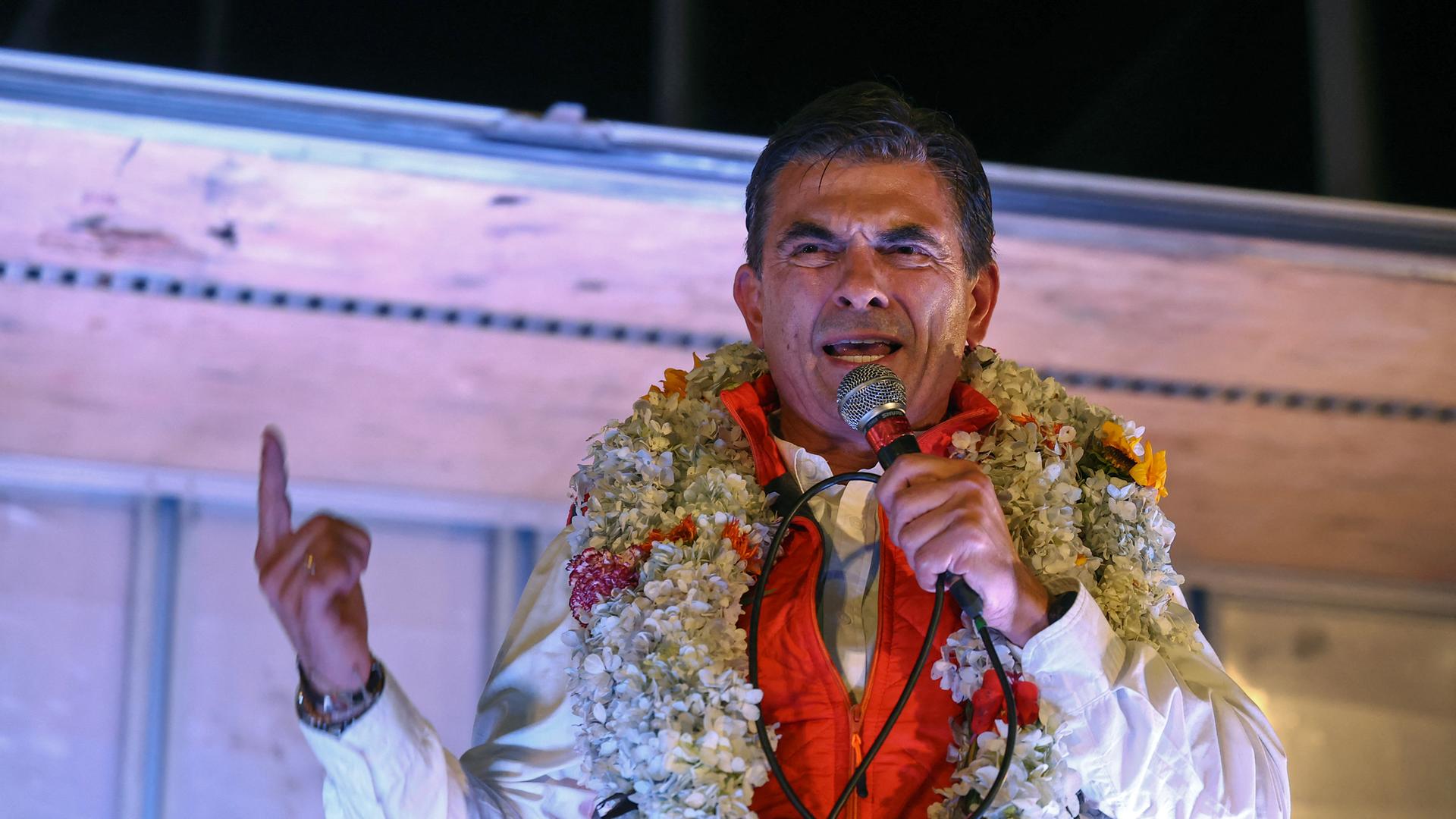
President Paz announced the measure in a Saturday morning address, characterizing the month-long blockade not as a grassroots movement, but as a calculated attempt to destabilize the nation’s democracy. The decree grants security forces expanded authority to dismantle barricades that have choked the flow of fuel, food, and medicine to key urban centers, most notably La Paz and El Alto. Defense Minister Ernesto Justiniano confirmed that military and police units had already cleared several transit points by afternoon, though the move remains highly polarizing.
While some residents in El Alto greeted the arrival of government tractors with relief, others—particularly migrants from rural highlands—vowed to continue their fight against Paz’s economic policies. The administration’s decision to cut fuel subsidies earlier this year ignited the initial protests, which have since morphed into broader demands for the president’s resignation and an end to chronic dollar shortages. Congressional support for the intervention appears likely, with members of the Alianza Libre party signaling they will back the decree, even as legal experts warn that military force could exacerbate long-term social instability if underlying grievances remain unaddressed.
The conflict highlights a deepening divide between the current administration and factions loyal to former President Evo Morales. Morales, who governed Bolivia for over a decade, has denied accusations that he is orchestrating the dissent, framing the protests as a legitimate indigenous rebellion against economic hardship. With the United States openly backing Paz’s move to restore order, the government now faces the challenge of maintaining control in rural strongholds like Cochabamba, where rural associations remain defiant despite the new emergency powers.


Comments (0)
No comments yet. Be the first!