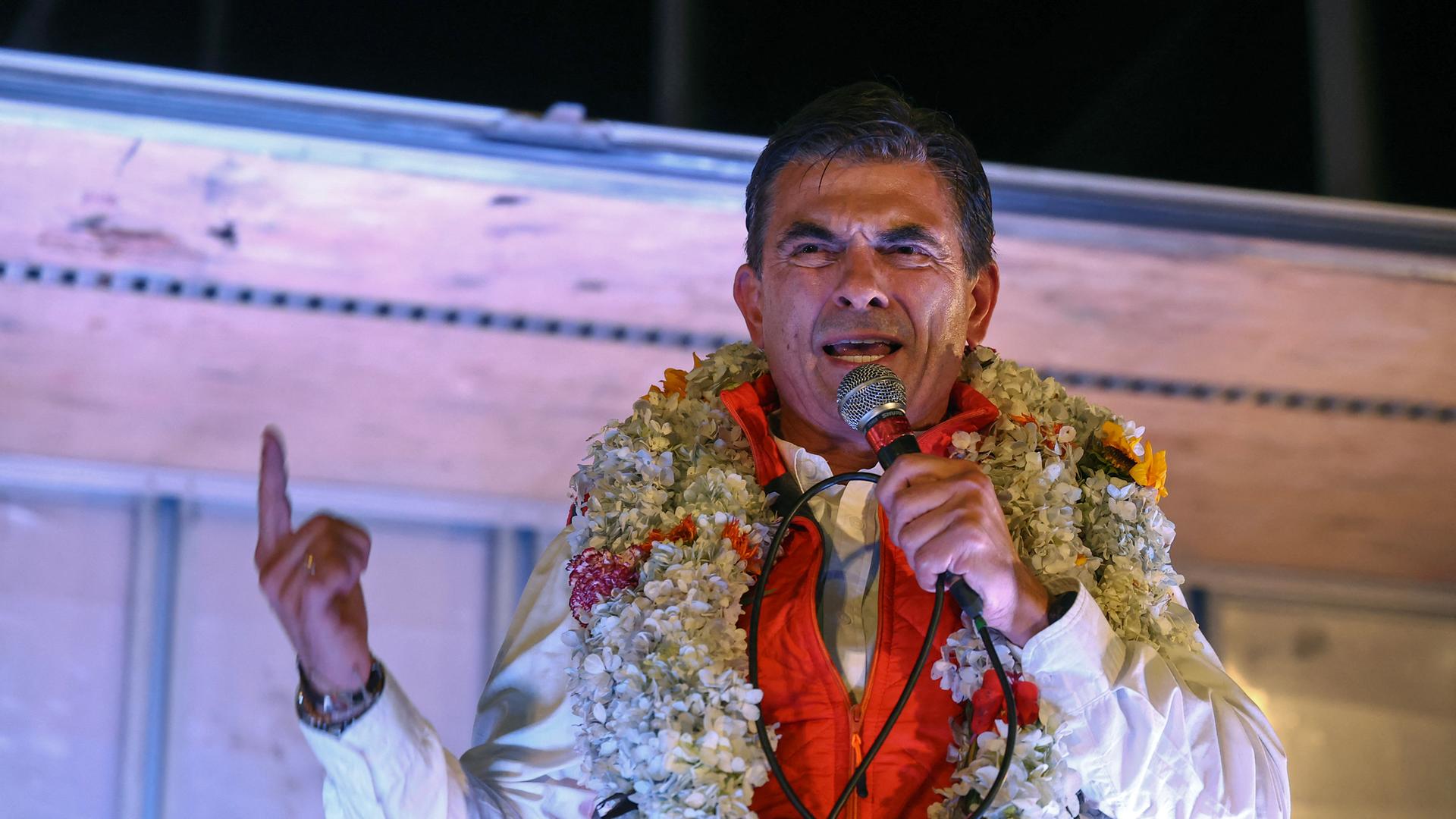
Paz framed the decree as a necessary step to restore order, accusing protesters of attempting to destabilize the nation’s democracy rather than engaging in legitimate social dissent. The move follows months of economic turbulence triggered by the administration's decision to slash fuel subsidies to combat a severe dollar shortage. While the government recently reached a tentative agreement with the Bolivian Workers’ Confederation, the deal failed to pacify rural groups aligned with former president Evo Morales, who continue to hold key transit corridors near Cochabamba.
In El Alto, police units have already begun mobilizing, signaling an imminent push to clear routes that have left major cities, including La Paz, facing critical shortages of food and medicine. The president is now required to notify Congress within 24 hours, with lawmakers holding a 72-hour window to review the measure. Legal experts caution that the reliance on emergency powers risks further inflaming tensions, particularly as protesters continue to demand both wage increases and the president's resignation. Paz, who has held office for seven months, maintains that the unrest is a calculated campaign orchestrated by Morales to undermine his pro-U.S. economic agenda, a charge the former leader denies, attributing the chaos to widespread public frustration over the rising cost of living.



Comments (0)
No comments yet. Be the first!