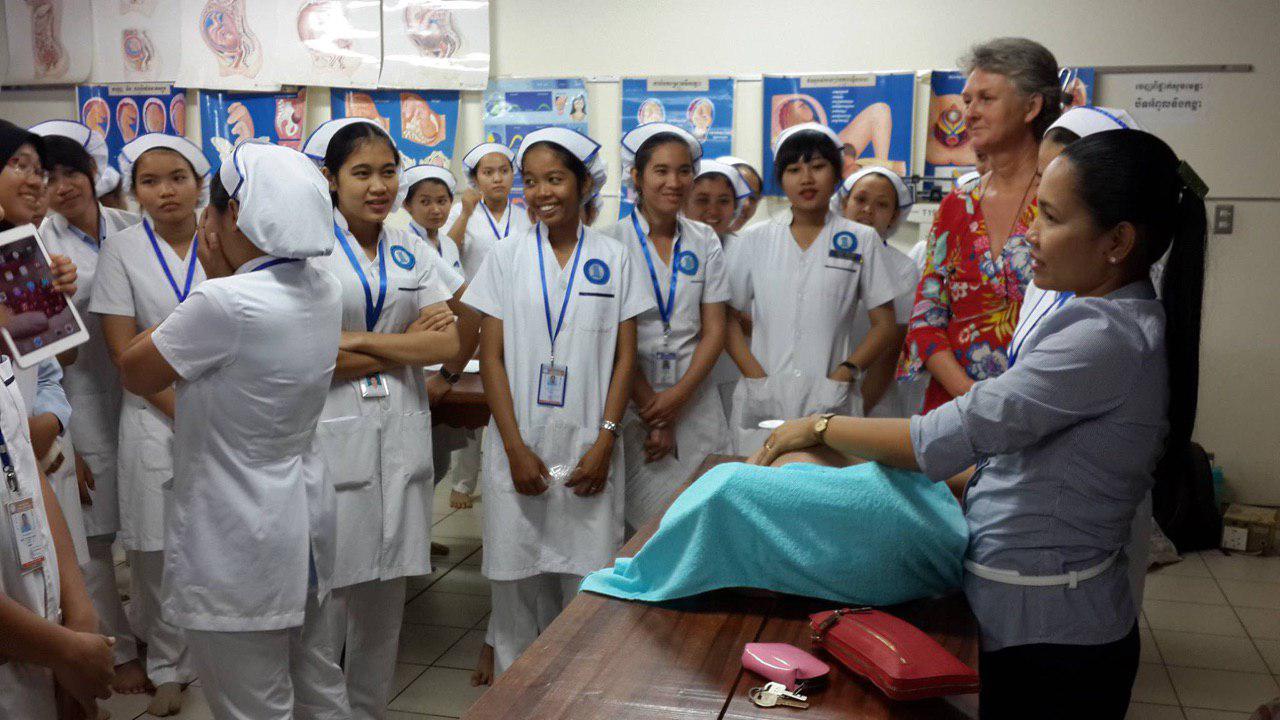
The project represents a strategic departure from rote memorization and classroom-bound theory. By shifting toward competency-based education, the initiative emphasizes clinical decision-making and hands-on practice. Since the program began in 2020, officials have introduced 11 national curricula, trained 85 percent of health faculty, and standardized 50 clinical practice sites to ensure graduates are prepared for the realities of modern medicine.
Expanding Infrastructure and Standards
The fresh capital will fund major renovations at the University of Health Sciences and the Battambang Regional Training Center. These facilities are slated to receive advanced simulation technology, allowing students to refine medical procedures in controlled environments before entering actual clinical settings. Tania Meyer, the World Bank Country Manager for Cambodia, emphasized that bolstering professional education is essential to bridge the disparity in service quality between urban centers and remote areas.
Implementation remains under the purview of the Ministry of Health, with the project timeline extended through mid-2029. The funding package is a collaborative effort, combining an $11.5 million credit from the International Development Association, a $1.5 million grant from Germany's KfW development bank, and supplemental contributions from the Cambodian government. These resources will also accelerate the adoption of digital learning platforms and rigorous competency-based exit examinations to ensure graduates meet international professional standards.



Comments (0)
No comments yet. Be the first!