Ravi Agrawal, editor-in-chief of Foreign Policy, suggests that the American public’s desire to curb overseas spending and pivot toward domestic issues is driving a fundamental change in the regional security landscape. Gulf nations, previously confident in the deterrent value of American presence, now grapple with the reality that proximity to US forces may invite, rather than deter, Iranian aggression. This strategic anxiety is not uniform; while the UAE may seek to tighten its defense ties, Saudi Arabia is increasingly exploring a balancing act between Washington and Beijing to hedge against uncertainty.
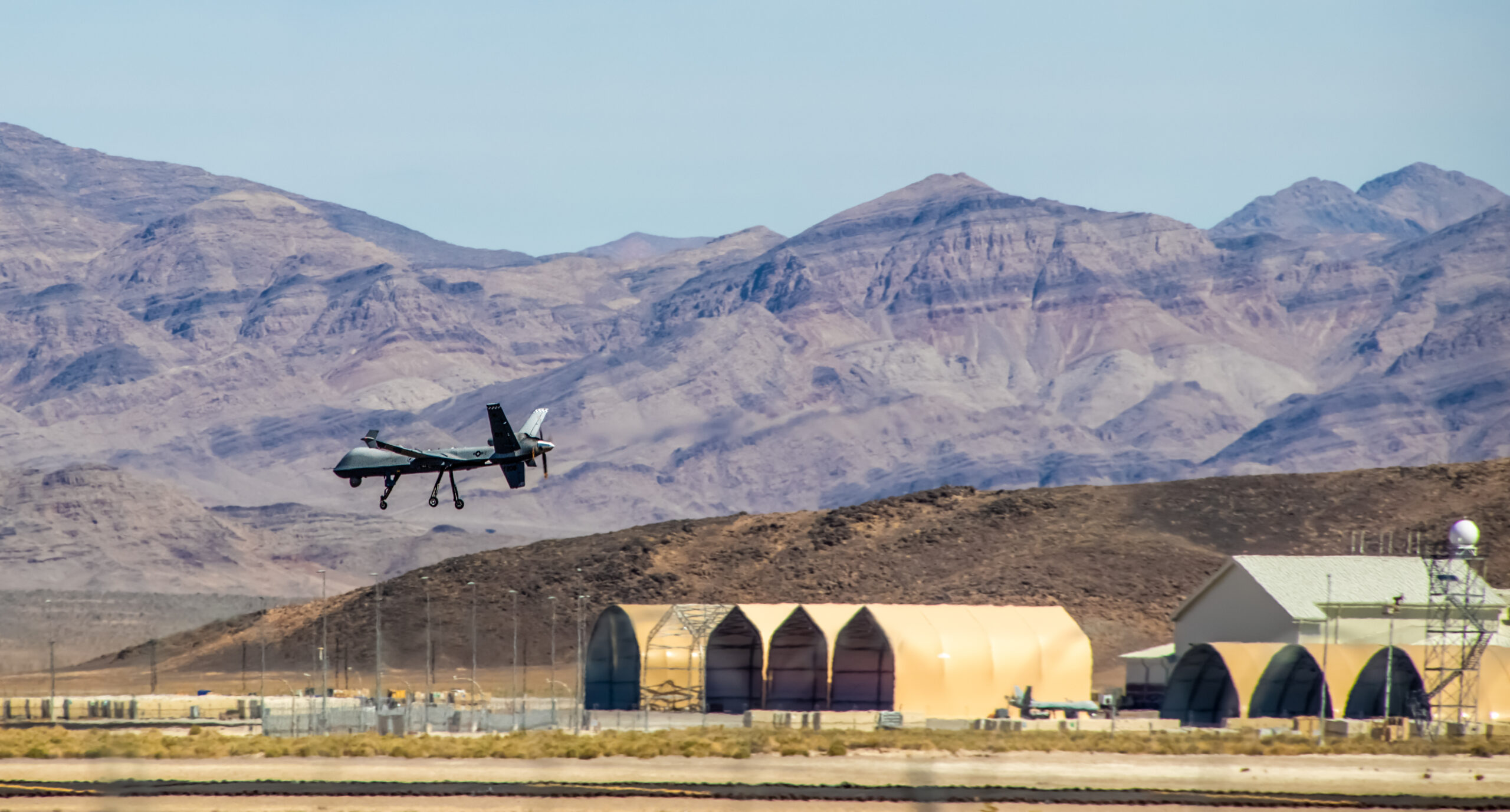
Beyond diplomatic maneuvering, the technical hurdles to regional stability remain high. Agrawal views the proposed 60-day window for nuclear negotiations as overly optimistic, noting that the 2015 agreement required years of intensive diplomacy. Furthermore, Iran’s intact ballistic missile program and reliance on low-cost drone swarms continue to threaten energy infrastructure and regional stability. These persistent threats have depleted the missile defense stockpiles of US allies, leaving them wary of future escalations. Meanwhile, the India-US relationship appears resilient to these geopolitical tremors. Despite friction over trade tariffs during the current administration, the structural cooperation in technology and defense remains robust, suggesting that the partnership is anchored in institutional ties rather than the temperament of individual leaders.




Comments (0)
No comments yet. Be the first!