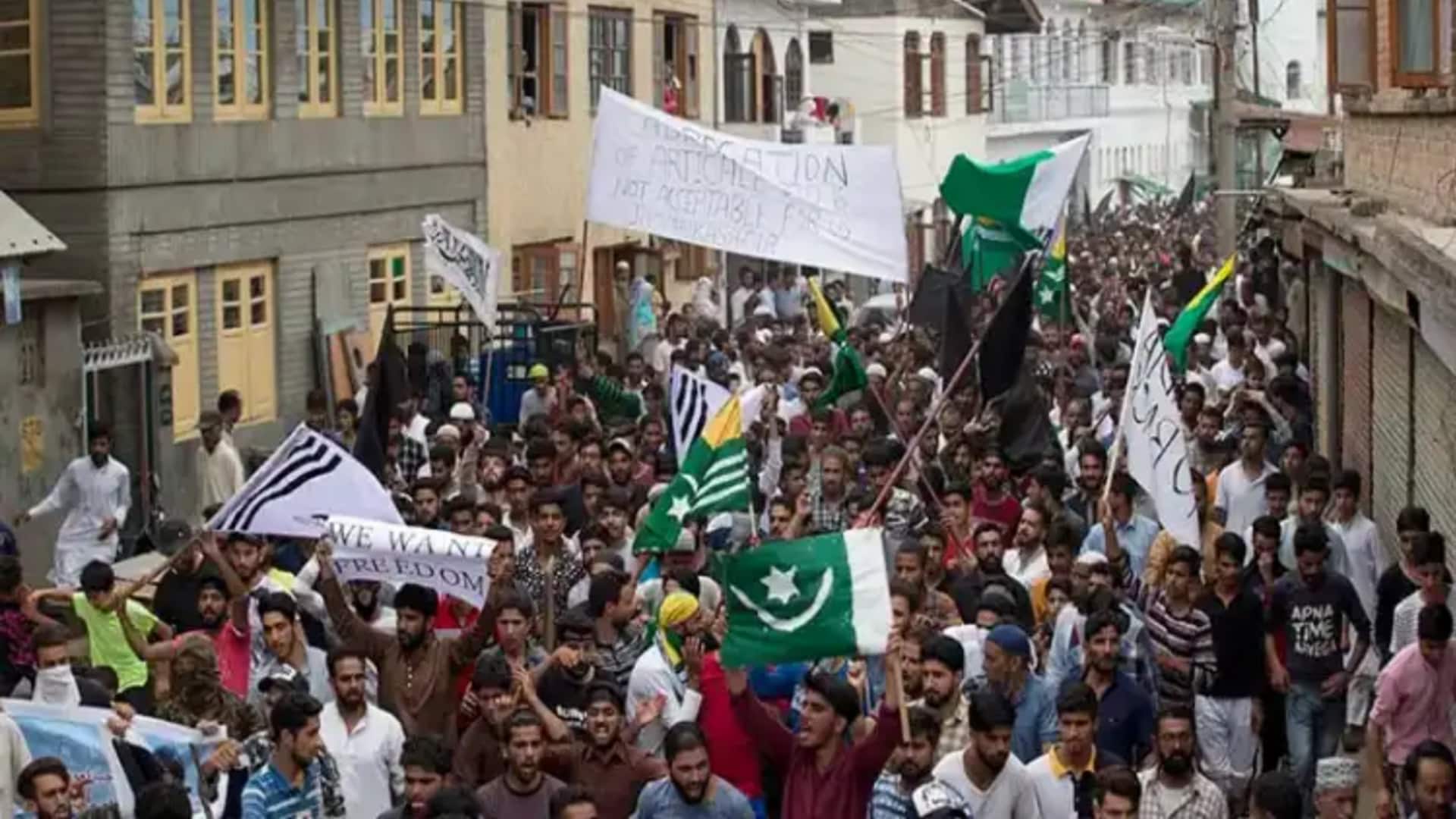
The violence erupted ahead of a June 9 strike organized by the JAAC to protest the reservation of 12 seats for refugees in the upcoming July 27 legislative assembly elections. As thousands of activists camp on the outskirts of Rawalakot, the local government has severed internet access, blocked major transit arteries, and restricted media movement to contain the dissent. Regional police chief Liaqat Ali Malik reported that four officers were killed and 97 wounded during the confrontations, with authorities detaining 515 individuals.
For the local population, the political standoff has triggered an acute economic crisis. In Muzaffarabad, the silence of the Upper Adda commercial district reflects the broader collapse of trade. Day laborers like 27-year-old Ikhlaq Ahmed report earning nothing since the unrest began, while the suspension of digital and satellite services has rendered ATMs and banking systems non-functional. Motorbike taxi driver Asif Naz described the situation as unsustainable for the working class, noting that while the wealthy might weather the shutdown, blue-collar workers are facing total financial ruin.



Comments (0)
No comments yet. Be the first!