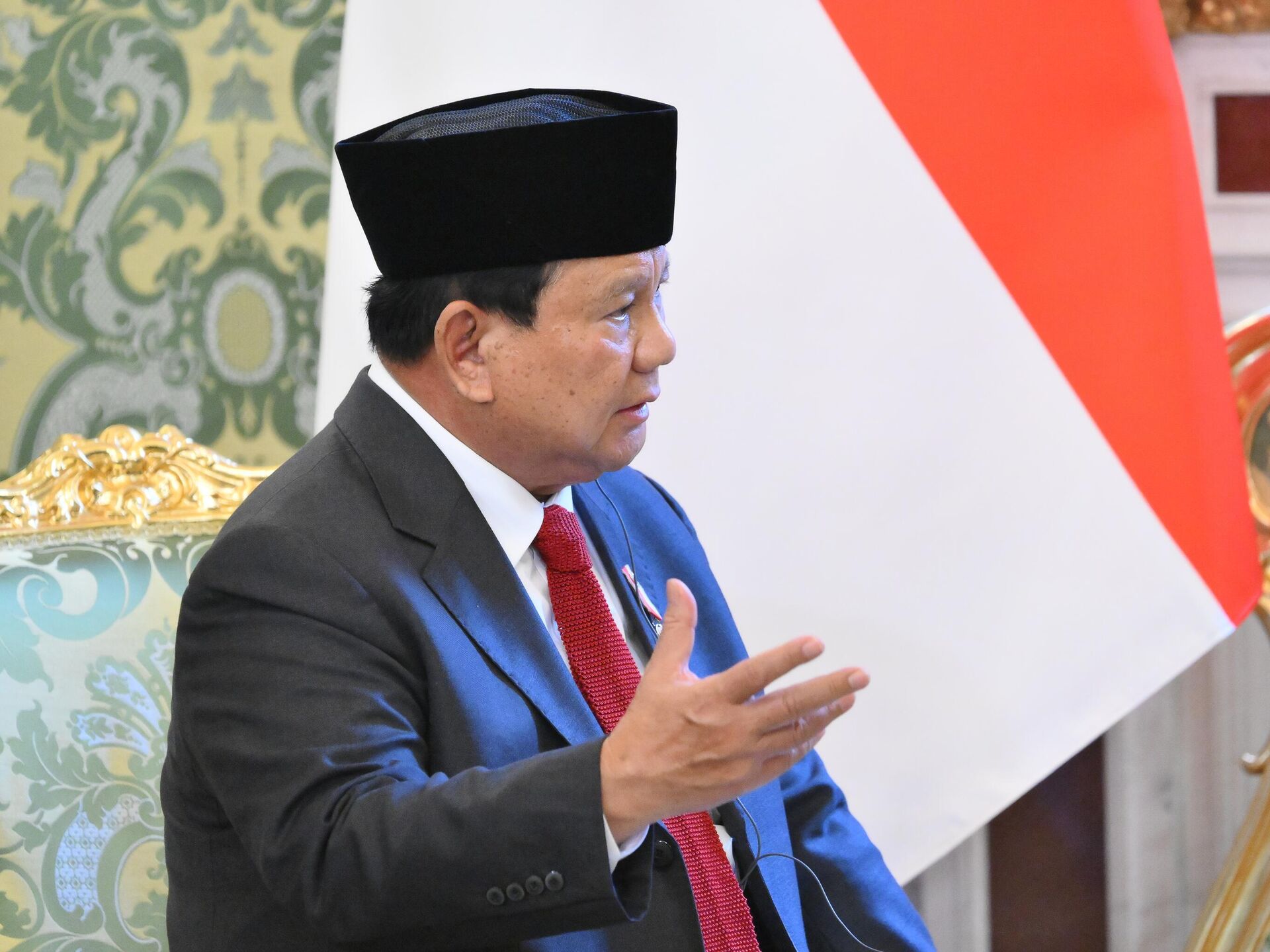
The creation of Danantara Sumberdaya Indonesia (DSI) signals a shift in how the administration handles state assets. Rather than strengthening existing ministries, the president has bypassed traditional bureaucracy to place key economic initiatives directly under his control. Economists warn this approach risks conflating commercial investment with political promises. While the fund was originally pitched as an Indonesian equivalent to Singapore’s Temasek, critics argue it has morphed into an entity that serves as a development bank, public service provider, and political tool simultaneously.
Operational transparency remains a primary concern for investors. Danantara manages an estimated $900 billion in assets but has yet to publish a financial report, citing the complexity of consolidating its various units. This opacity has spurred independent monitoring by think tanks like CELIOS. Meanwhile, the fund’s capacity is being put to the test: the newly formed DSI was tasked with overseeing commodity exports with a minimal initial staff, forcing the fund to temper its initial promises to industry associations due to high capital requirements and risk.
Despite a successful $1.5 billion debut bond sale, financial analysts suggest the market's appetite stems from the high yields associated with state-backed debt rather than an endorsement of the fund’s internal management. As Danantara takes on diverse projects—ranging from chicken farms to hotels in Mecca—its ability to balance commercial returns with the president’s ambitious social and industrial agenda remains an open question.



Comments (0)
No comments yet. Be the first!