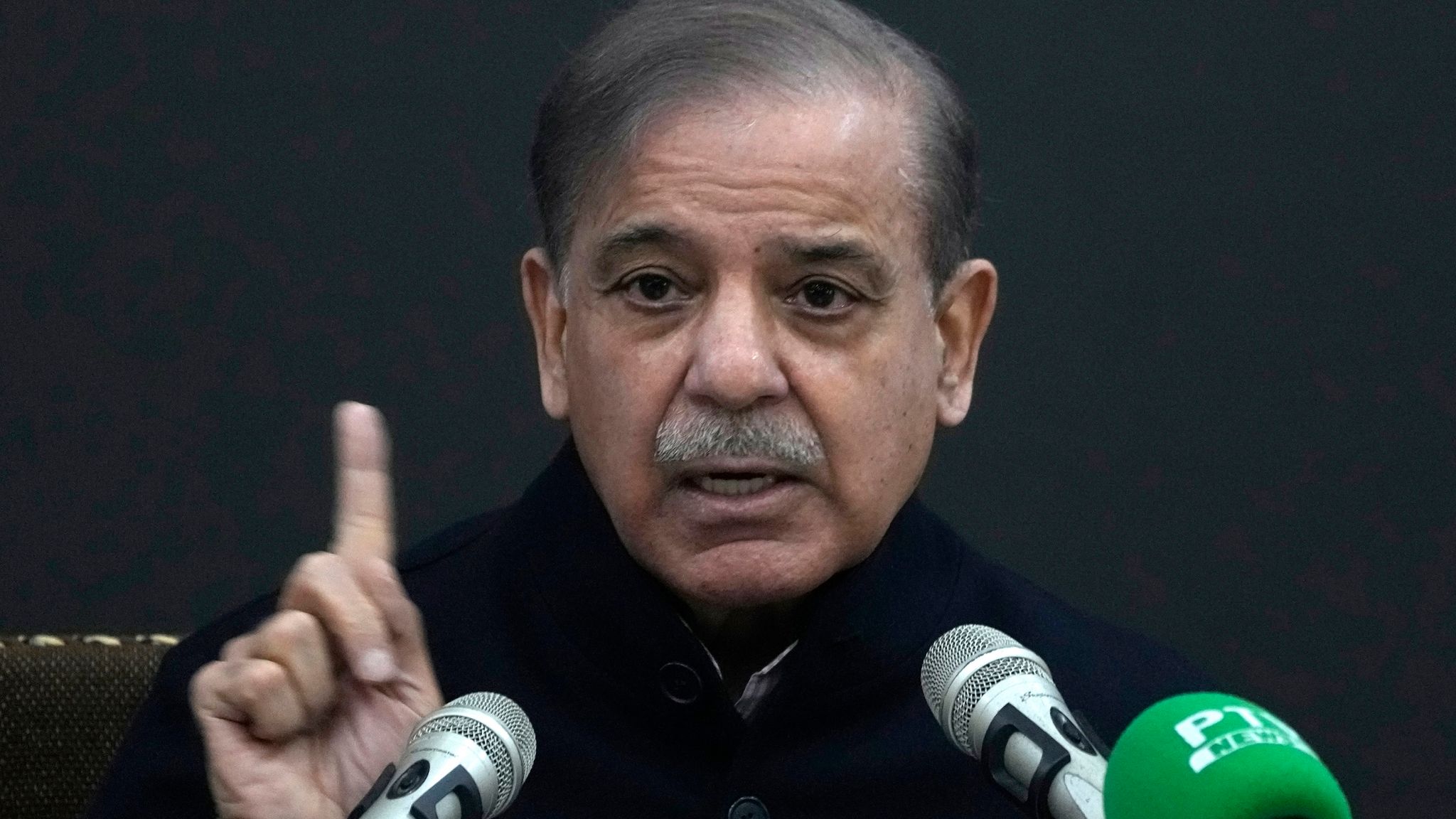
The preliminary deal, announced by Pakistani Prime Minister Shehbaz Sharif, followed weeks of late-night negotiations that nearly collapsed multiple times. Sources familiar with the talks describe a process defined by extreme volatility, where even minor linguistic choices—such as whether to use "etc." or "including"—sparked hour-long debates. The intervention of a Qatari delegation, which provided critical financial assurances to Tehran and acted as a liaison between the White House and Iranian officials, proved essential in bridging the gap when talks stalled in mid-May.
Despite the progress, the next 60 days will test the durability of these commitments. Negotiators face the daunting task of reconciling Washington’s demand for nuclear concessions with Iran’s attempts to leverage regional instability for strategic advantage. Complicating the horizon are the fragmented decision-making structures within Tehran and the unpredictable nature of U.S. policy shifts, both of which have hampered communication. With regional flashpoints like the conflict in Lebanon capable of destabilizing the process overnight, the reliance on back-channel mediation by Pakistani army chief Field Marshal Asim Munir remains a necessity rather than a luxury. Analysts warn that without a fundamental shift in the current atmosphere of suspicion, the interim framework could easily unravel before reaching a final resolution.


Comments (0)
No comments yet. Be the first!