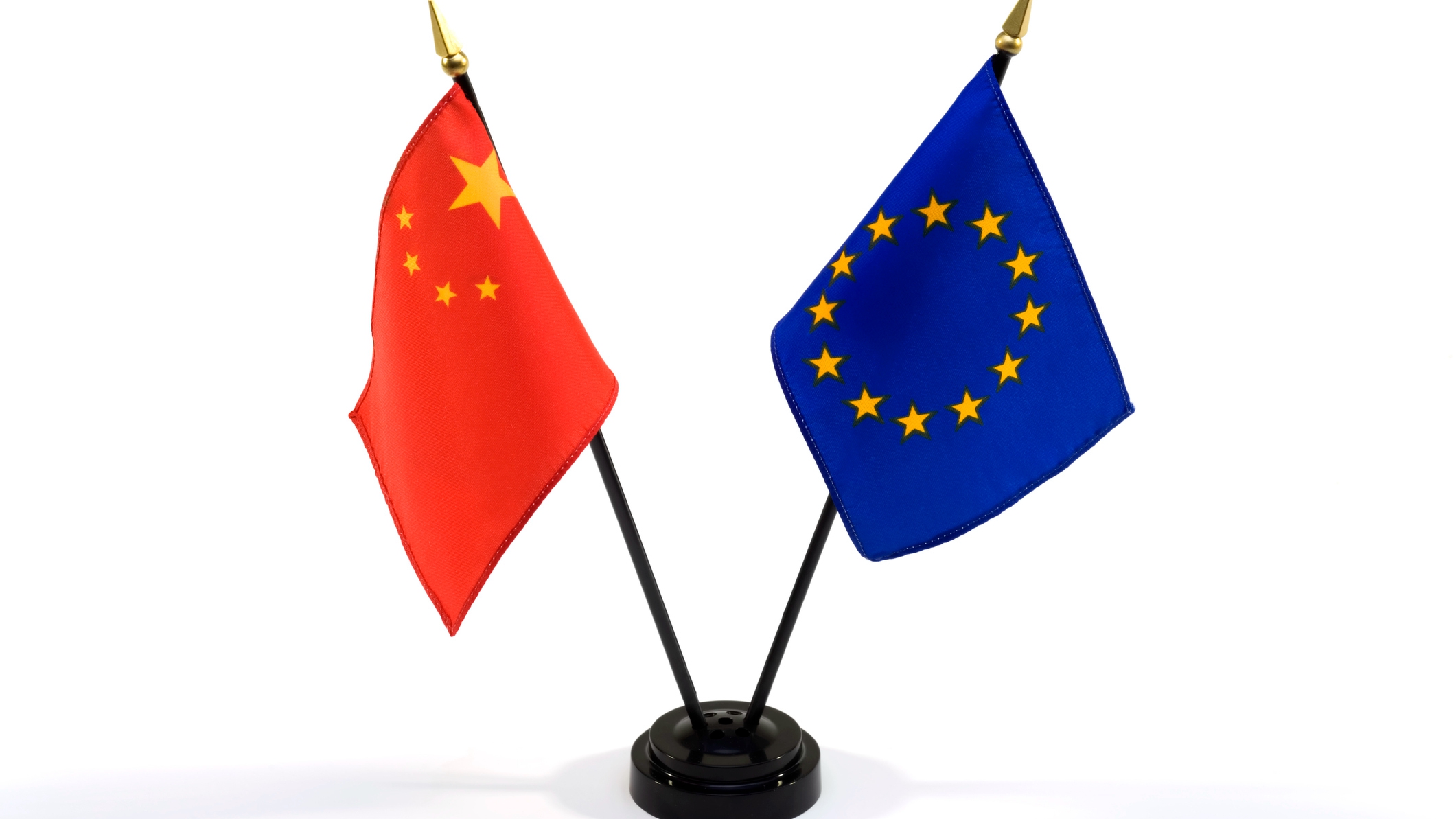
The scale of the imbalance is stark, with China’s goods trade surplus reaching €360.6 billion in 2025—a 15% increase over the previous year. This volatility is compounded by Beijing’s April 2025 export restrictions on rare earths, a move that left European industries scrambling for alternative supply chains. While the bloc has pursued partnerships with Australia, India, and Indonesia to diversify, the internal consensus on how to confront China remains fragile. France leads the push for a more combative trade posture, yet Germany and Spain advocate for caution, fearing the economic fallout of escalating tensions.
This friction surfaced last month when France, Italy, the Netherlands, and Lithuania proposed new quotas and duties to curb over-reliance on foreign suppliers. Spain’s decision to withdraw its support for the proposal highlighted the precarious balancing act facing member states. Current defensive measures, including anti-dumping investigations and tariffs on electric vehicles, have yielded mixed results; Chinese manufacturers have countered these hurdles by shifting exports toward hybrid models. As the European Commission prepares a broad review of trade defenses for the third quarter, the debate is shifting toward more aggressive mandates, potentially requiring companies to secure at least three distinct sources for sensitive materials to prevent future supply chain paralysis.
/nginx/o/2025/10/27/17242195t1h61eb.jpg)


Comments (0)
No comments yet. Be the first!