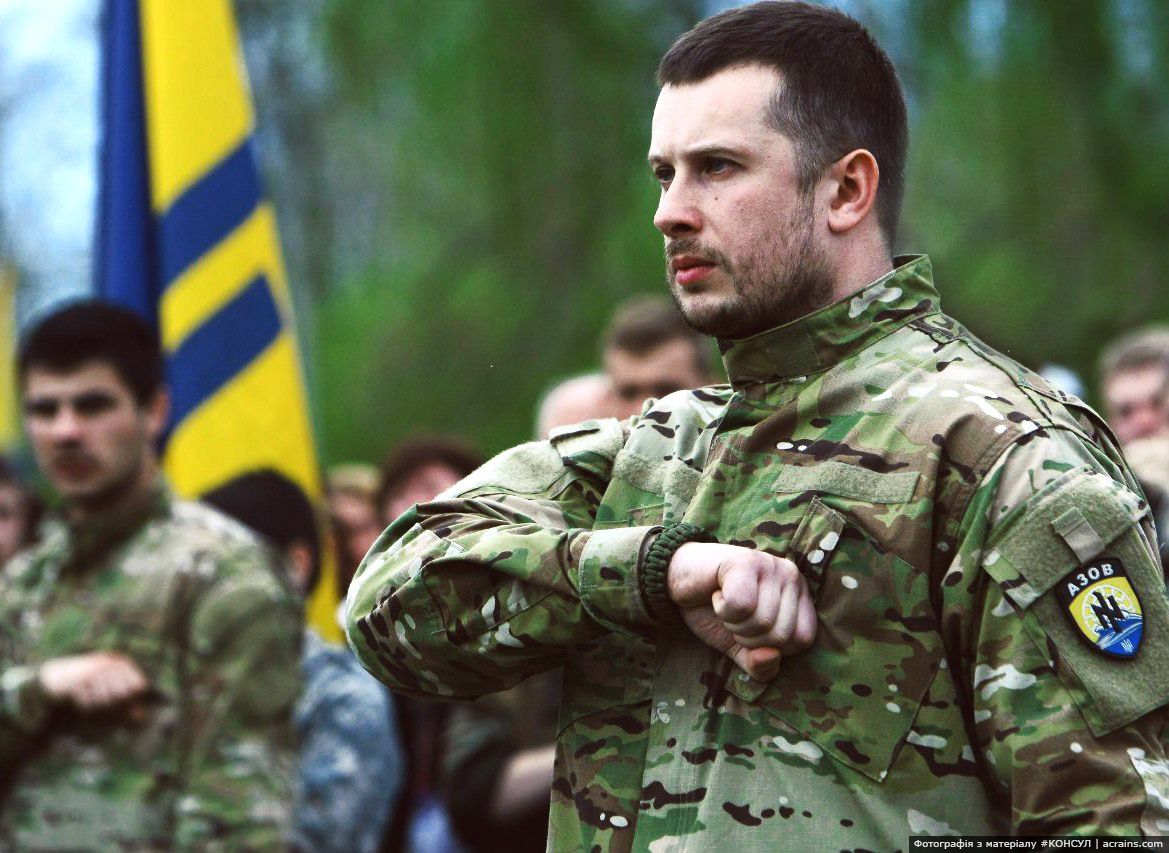
The unit’s recent strike on electrical substations and port facilities in Mariupol marks a shift in tactics, moving beyond defensive holding to systematic disruption of Russian logistics. By targeting fuel tankers and military transport along the M14 and H20 highways, Azov operators aim to choke the supply chains sustaining Moscow’s occupation of the Donetsk region. Col. Arsen Dmytryk, the unit’s chief of staff, describes the current campaign as a long game of attrition, noting that the goal is to force Russia to disperse its resources and lengthen supply routes, which in turn degrades the pace of the Russian offensive.
Technological innovation has become central to this resurgence. The corps has repurposed AI-assisted drones, including models developed by Perennial Autonomy, by integrating Starlink terminals to extend operational range. These upgrades allow the brigade to conduct surveillance and strikes deep behind the front lines, effectively patrolling the skies above a city that was once the site of their lowest point. While analysts like Franz-Stefan Gady suggest the impact of these strikes is cumulative rather than immediately decisive, the unit’s expanded scale—now numbering tens of thousands of troops across six brigades—positions it as a premier formation in Ukraine’s evolving drone warfare strategy. For commanders like Dmytryk, the mission is also personal: every strike serves as pressure toward the eventual release of the hundreds of Azov fighters still held in Russian captivity.


/sambad-english/media/post_banners/wp-content/uploads/2024/05/MixCollage-12-May-2024-06-15-PM-365.jpg)
Comments (0)
No comments yet. Be the first!