The core of the diplomatic challenge lies in the fate of Iran’s nuclear program. While the current memorandum of understanding mandates a cessation of hostilities, it defers the most contentious issues. Washington insists on the destruction or removal of near-bomb-grade uranium stockpiles, a move Tehran resists, preferring instead to discuss dilution. Disagreements over future enrichment rights and the restoration of rigorous international inspections further complicate these talks, recalling the friction that led to the collapse of the 2015 accord.
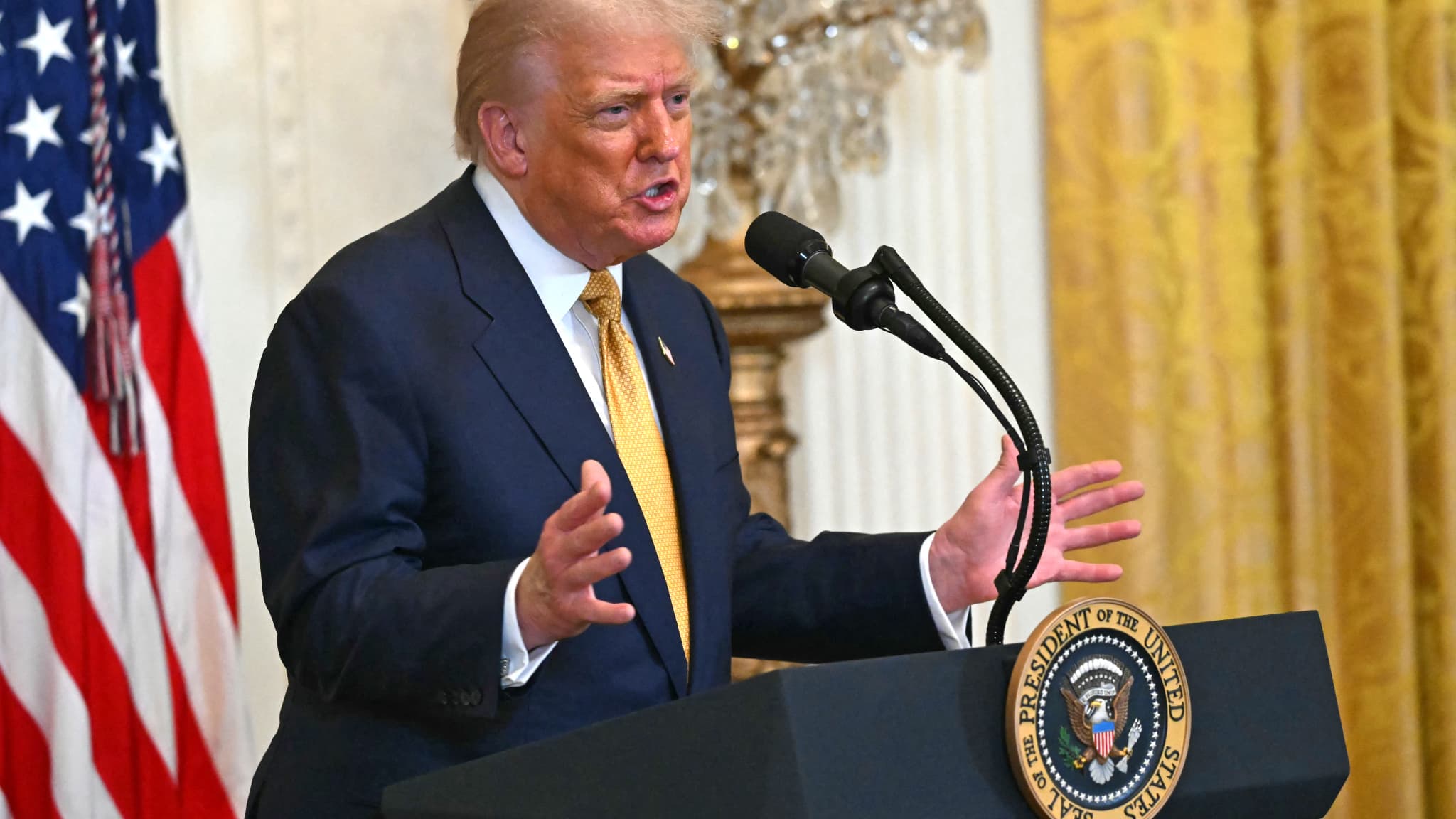
Beyond the nuclear dossier, the Strait of Hormuz remains a flashpoint. Although the MOU requires the waterway to remain toll-free, Iran demands a management role, setting the stage for potential friction over global energy security. Simultaneously, the sequencing of sanctions relief and the release of frozen assets creates a political minefield for President Donald Trump, who faces scrutiny from domestic hawks wary of any perceived concessions. These challenges are compounded by the involvement of Israel, with Prime Minister Benjamin Netanyahu signaling that his government retains the autonomy to act against Hezbollah in Lebanon, potentially undermining any regional ceasefire.
Negotiators also face a clash of styles. The U.S. team, led by Vice President JD Vance and Jared Kushner, favors rapid results, whereas Iranian representatives typically employ prolonged bargaining tactics. Given the 60-day window, analysts question whether this timeframe is sufficient to secure a lasting settlement. With Ayatollah Mojtaba Khamenei at the helm in Tehran and a history of failed negotiations, the risk of a stalemate—or a return to hostilities—remains a tangible threat should the current diplomatic momentum falter.


Comments (0)
No comments yet. Be the first!