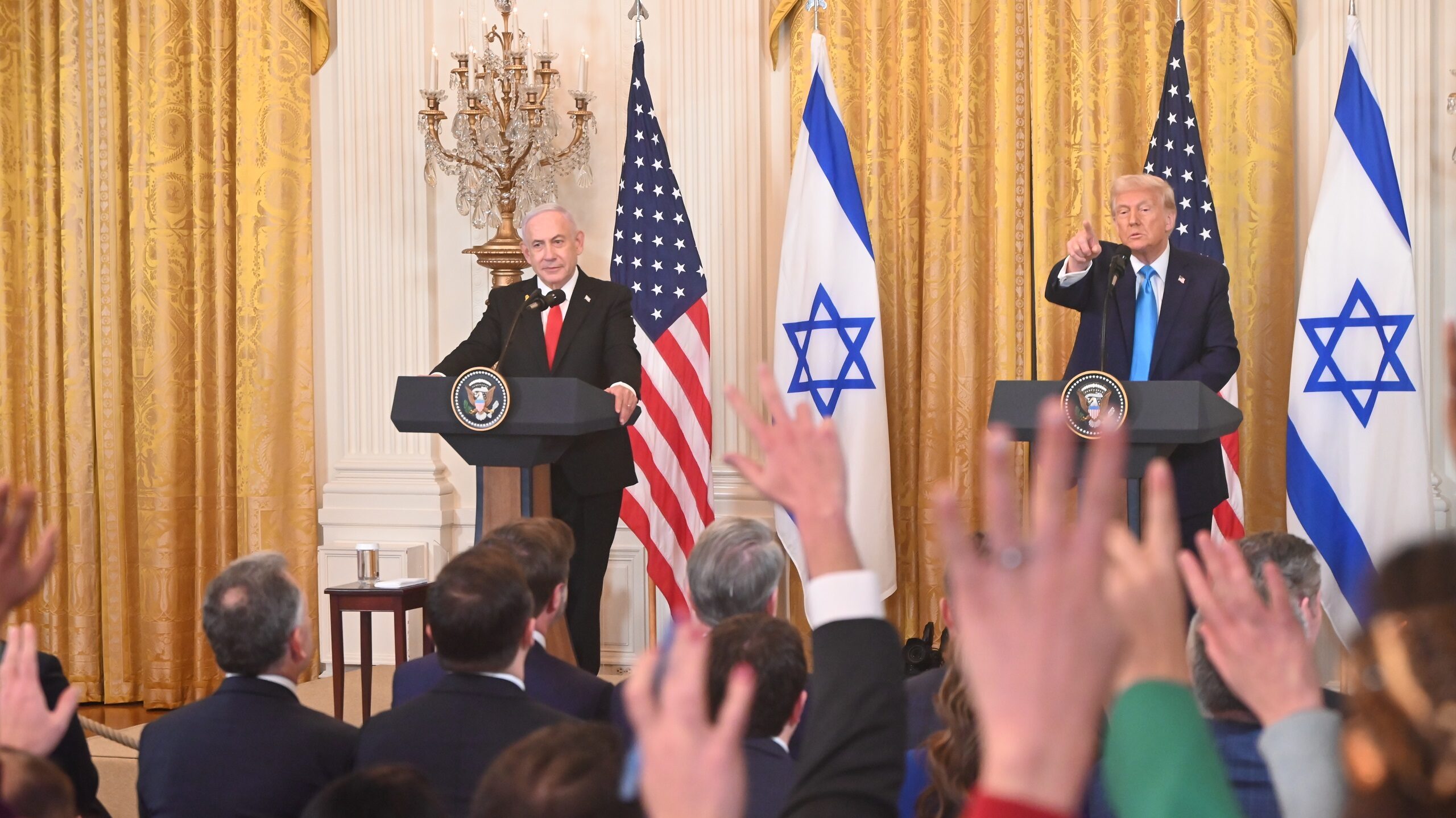
Netanyahu framed the ongoing conflict as a historic achievement during a briefing in Jerusalem on Tuesday, citing the neutralization of nuclear scientists and the systemic destruction of missile production facilities. He insisted these gains represent a vital defense against existential threats, signaling that Israel is unlikely to abandon its operational momentum. This stance directly clashes with the preliminary truce recently announced between Washington and Tehran, which demands an end to hostilities across all fronts, including Lebanon.
The domestic political landscape further constricts Netanyahu’s maneuverability. With general elections looming before October 2026 and a corruption trial ongoing in Tel Aviv, he faces fierce criticism from opposition leader Yair Lapid, who accused the Prime Minister of choosing between a destructive confrontation with the U.S. or a total surrender of Israeli security interests. Compounding this, far-right coalition partners like National Security Minister Itamar Ben-Gvir have publicly rejected the U.S.-backed framework, asserting that Israel is not bound by agreements that compromise its military freedom. Netanyahu is now forced to balance the demands of his hardline allies against the diplomatic pressure emanating from the White House.


Comments (0)
No comments yet. Be the first!