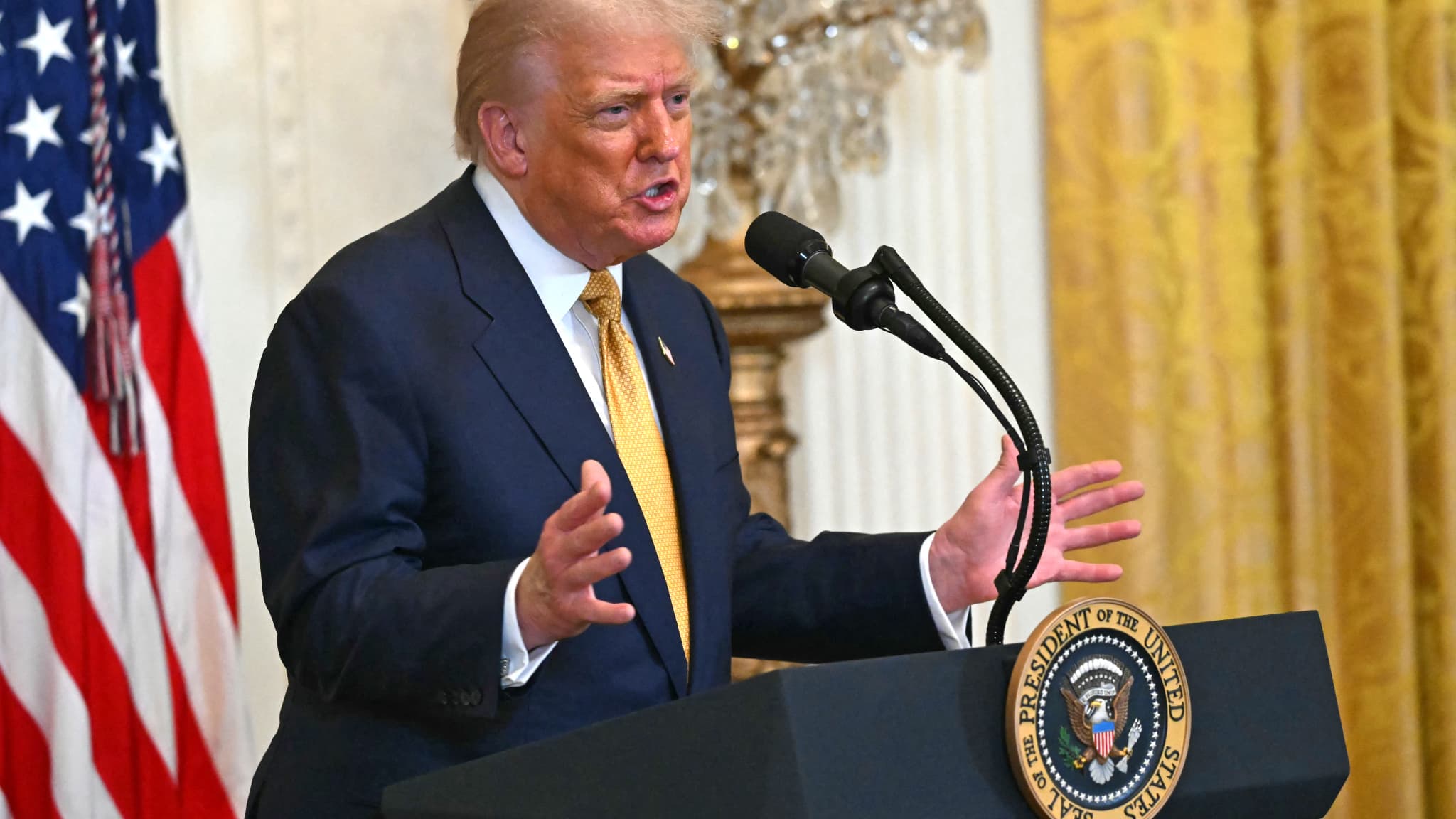
The ongoing regional war, ignited by U.S. and Israeli strikes on February 28, has rattled global markets by forcing energy prices upward and threatening food security in developing nations. Trump expressed a clear desire to avoid the legacy of Herbert Hoover, whose presidency coincided with the 1929 stock market crash. By curbing the hostilities, the administration hopes to mitigate the inflationary pressures that have surged since the conflict began.
While economists view the agreement as a necessary stabilizer, the path to recovery remains fraught with technical hurdles. Experts in maritime logistics and the fuel sector estimate that normalizing bunker fuel supplies and global trade flows could require up to a year of sustained stability. Any disruption to the current deal, analysts warn, could trigger a renewed escalation, potentially erasing the fragile economic gains achieved since the ceasefire.
/nginx/o/2025/10/27/17242195t1h61eb.jpg)


Comments (0)
No comments yet. Be the first!