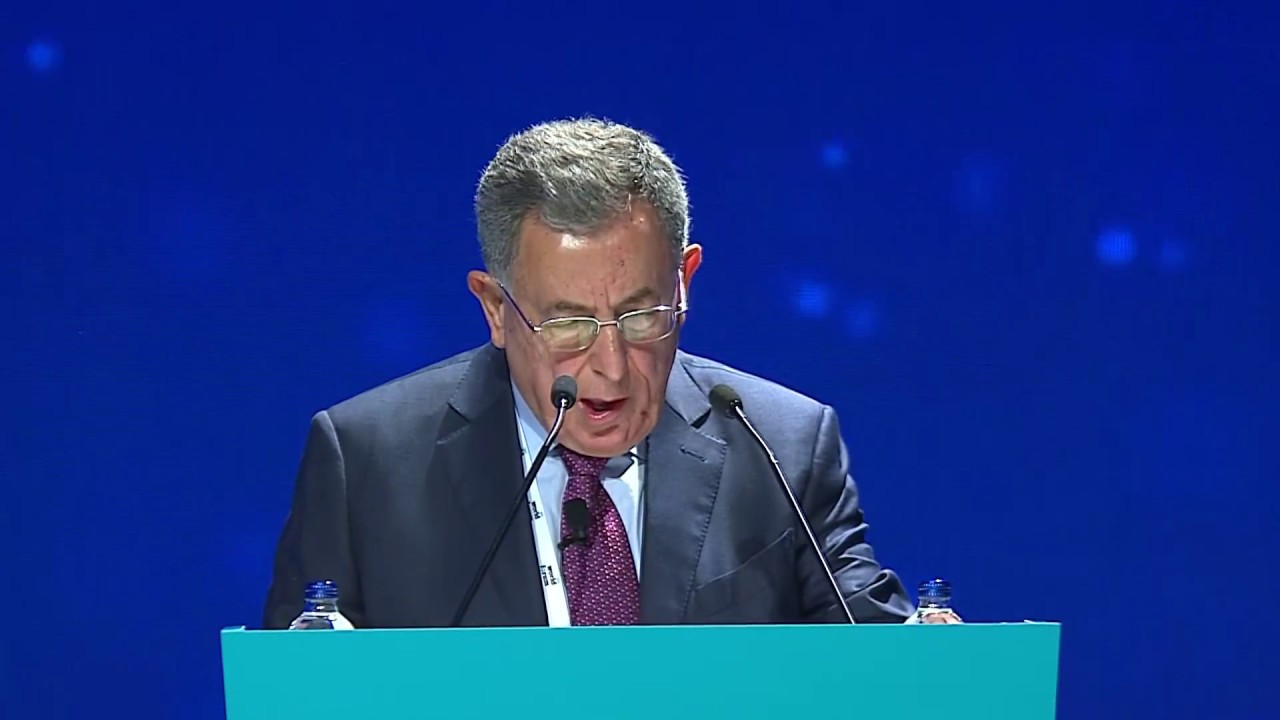
Siniora, speaking to ANI, argued that energy prices are notoriously inelastic downwards, meaning they are unlikely to return to pre-crisis levels even as maritime traffic resumes. The former premier emphasized that global economies will continue to struggle with the aftershocks of the disruption for the foreseeable future, as the inflationary pressure has already been baked into the global financial architecture.
Reflecting on the recent G7 Summit in Évian-les-Bains, Siniora pointed to a growing consensus among Western leaders on the necessity of a unified front to address volatility in West Asia and the ongoing conflict in Ukraine. He stressed that while the diplomatic progress is encouraging, the situation remains fragile. According to Siniora, the stability of the maritime corridor depends on sustained cooperation between the United States and Europe to enforce security protocols.
Obstacles to long-term stability persist, however. Siniora noted that both Israeli Prime Minister Benjamin Netanyahu and specific factions within Iran remain resistant to the current agreement. He cautioned against relying on temporary fixes for the region, asserting that the Middle East requires fundamental solutions rather than superficial diplomatic measures to ensure lasting peace.



Comments (0)
No comments yet. Be the first!