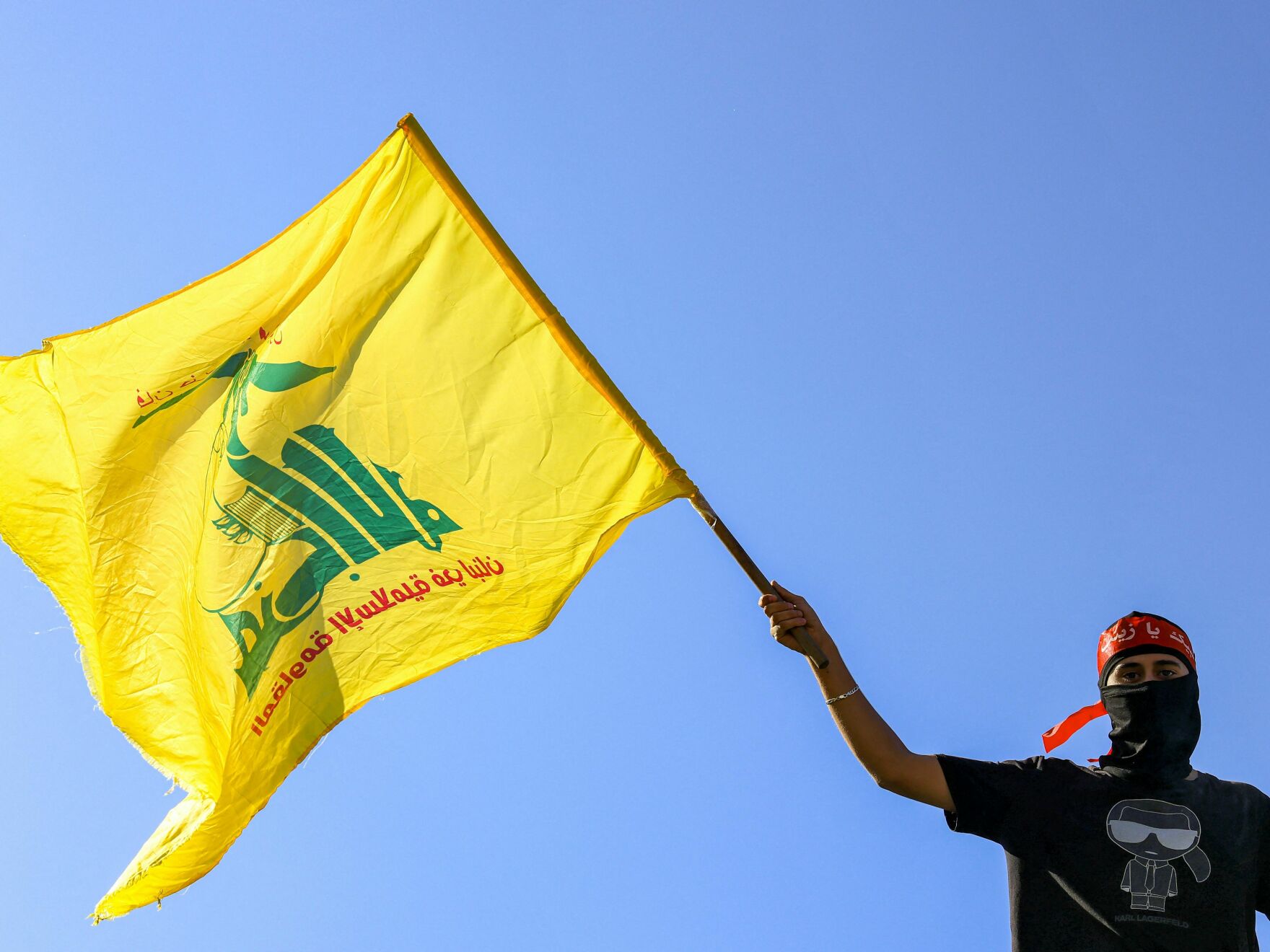
The agreement, brokered by Pakistan, aims to halt hostilities across multiple fronts, including the volatile southern Lebanon border. For Hezbollah, the influx of capital arrives at a critical juncture. After years of financial strain and the collapse of key allies like Bashar al-Assad, the group has struggled to maintain its traditional support networks. While the US maintains that released funds will not be diverted to terrorist organizations, regional diplomats suggest Iran has already signaled its intent to prioritize the group’s recovery.
Mohanad Hage Ali of the Carnegie Middle East Center describes the potential cash infusion as a game changer. It would allow the organization to repair frayed political alliances and provide relief to its constituency, effectively sidelining internal pressure to disarm. By framing the Israeli military presence as an ongoing occupation, the group maintains a justification for its armed status, complicating efforts by the Lebanese government to assert sovereign control.
Despite the diplomatic activity, the path to stability remains narrow. Israel continues to press for the total dismantlement of the group’s military capabilities, while Hezbollah refuses to discuss its arsenal as long as Israeli troops remain on Lebanese soil. Analysts note that the current conflict has paradoxically revitalized the resistance narrative, making it increasingly difficult for Beirut to curb the group's influence. With Tehran demanding an Israeli withdrawal as a condition for broader regional stability, the ceasefire remains a fragile arrangement rather than a permanent resolution.


/sambad-english/media/post_banners/wp-content/uploads/2024/05/MixCollage-12-May-2024-06-15-PM-365.jpg)
Comments (0)
No comments yet. Be the first!