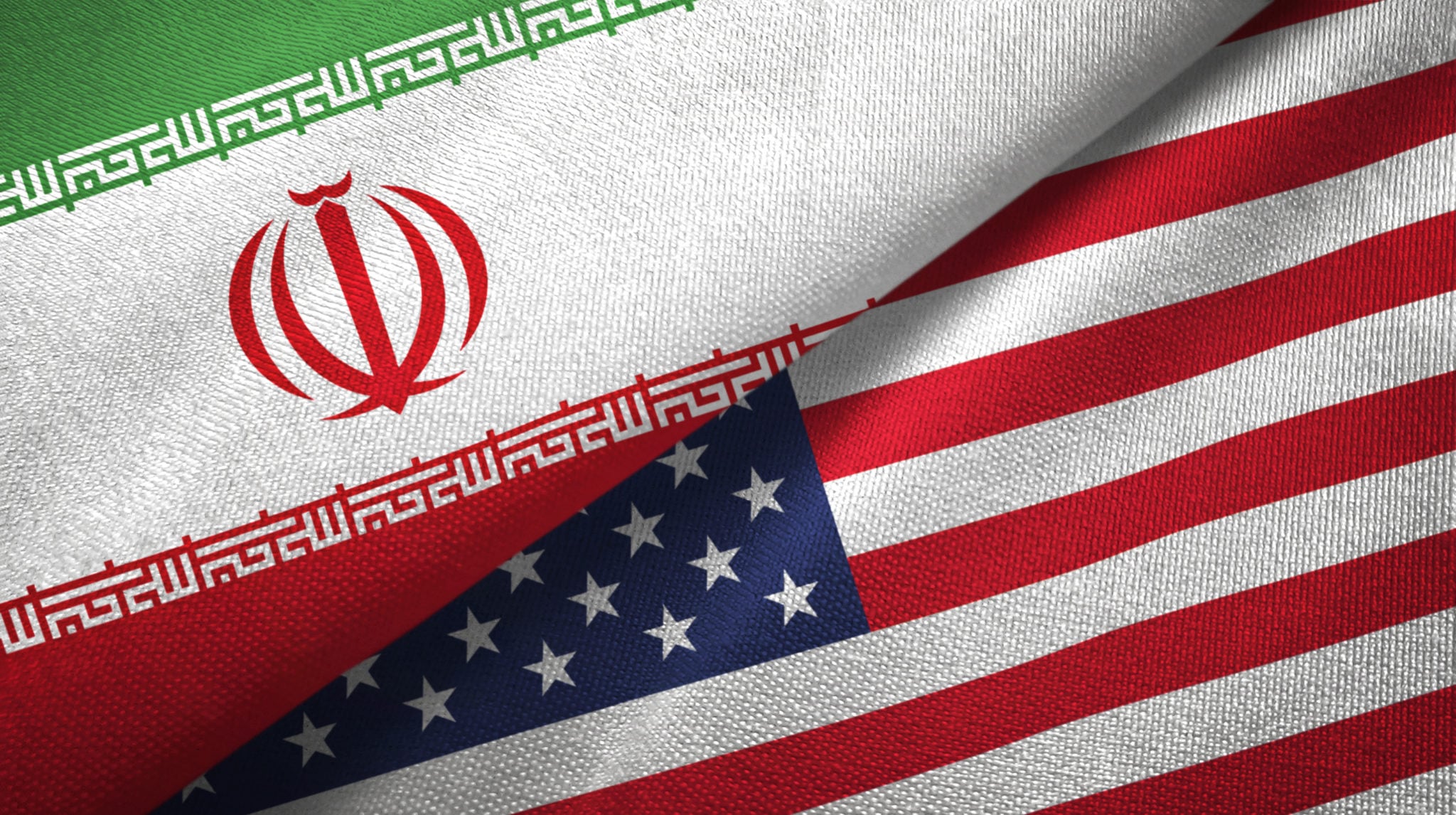
Tehran insists the recent conflict yielded a net gain, arguing that the US and Israel failed to dismantle the Islamic Republic or sever its ties with Hezbollah. An insider told the Financial Times that the war forced the country to activate latent military capacities long held in reserve. A Western diplomat acknowledged this shift, noting that the hostilities aligned with the regime’s long-standing ideological preparations, effectively allowing the state to consolidate control despite the loss of Ayatollah Ali Khamenei and senior military brass.
The framework agreement leaves the most volatile elements of the standoff unresolved. Rather than shipping its enriched uranium stockpile abroad, Iran will retain the material, opting to dilute it under the watch of the International Atomic Energy Agency. For the regime, the current deal is merely a preliminary step; true victory remains contingent on securing international recognition for its enrichment program and forcing a complete withdrawal of American influence from the region. With key infrastructure heavily damaged and thousands of civilian casualties, internal skepticism persists regarding whether these short-term concessions can ever translate into lasting geopolitical stability.


/sambad-english/media/post_banners/wp-content/uploads/2024/05/MixCollage-12-May-2024-06-15-PM-365.jpg)
Comments (0)
No comments yet. Be the first!