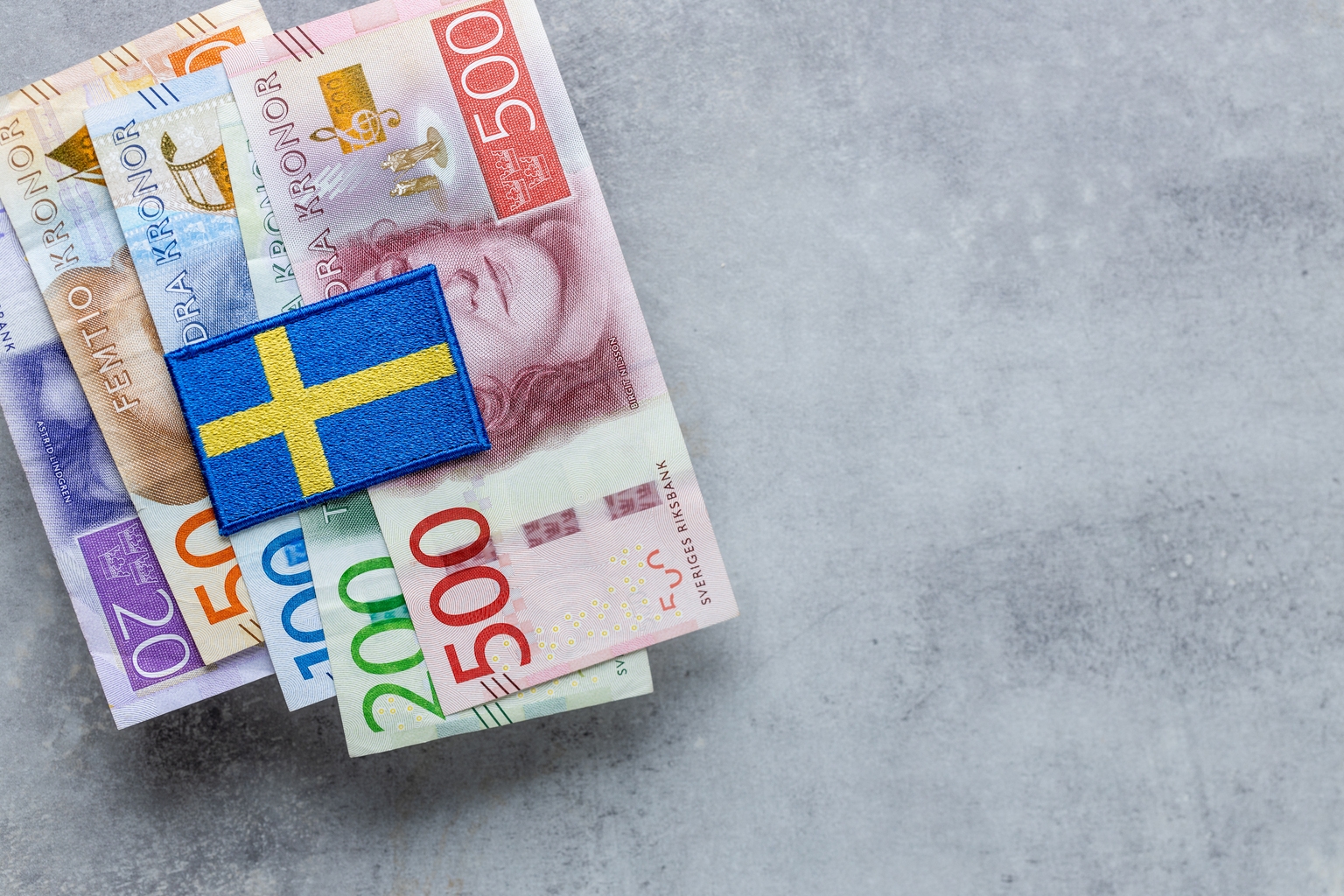
Underlying inflation in Sweden hit zero in April, the lowest level in three decades, creating a unique economic landscape compared to its European neighbors. The nation’s fossil-free energy reliance, coupled with a stronger crown and temporary election-year tax cuts, has acted as a buffer against the price shocks currently rattling the rest of the continent. However, the Riksbank warns that this insulation is fraying.
Producer prices climbed in April at their sharpest rate since early 2023, while input costs across manufacturing and service sectors have surged to multi-year highs. Although the headline CPIF inflation measure remains at 1.5%, trailing the 2% target, the bank is bracing for the inevitable bleed-over of global supply chain volatility. With 15 of 19 analysts polled by Reuters expecting at least one hike in the near term, the central bank is clearly preparing the market for an end to its current policy stability.



Comments (0)
No comments yet. Be the first!