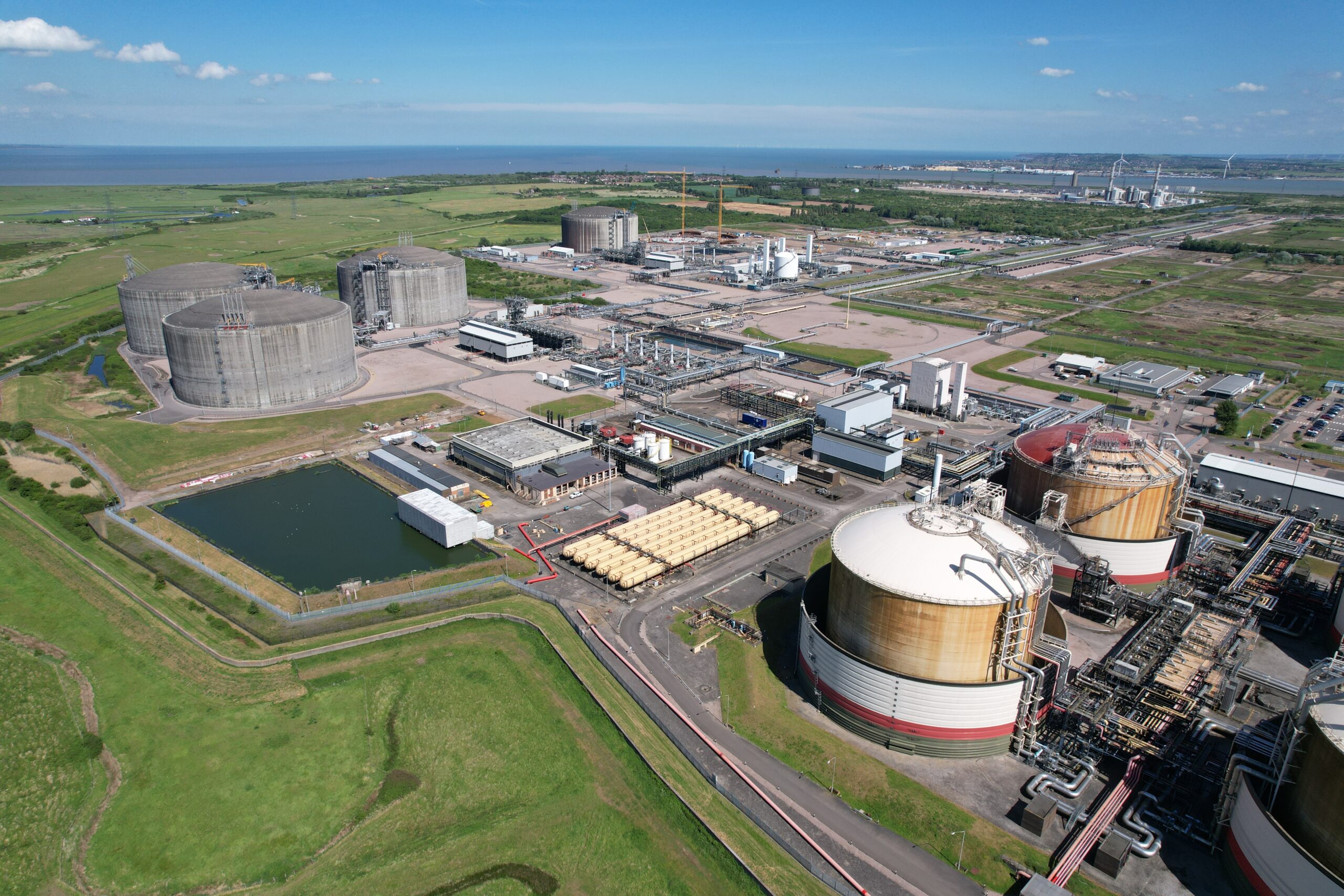
Europe successfully absorbed the supply shock by pivoting to imports from the United States, Algeria, and Nigeria. Infrastructure investments—specifically new regasification terminals in the Baltic, Adriatic, and Aegean regions—allowed for seamless distribution, effectively silencing concerns that the continent requires Russian pipeline imports to ensure stability. Even in modeling scenarios that combine a Hormuz-style blockade with a total ban on Russian gas, supply remains secure due to expanded import capacity.
Despite this operational victory, the long-term outlook for the sector is increasingly fragile. Researchers from the Regional Centre for Energy Policy Research and the Center for the Study of Democracy project a steady decline in gas consumption through 2040. Whether through accelerated electrification or rapid renewable expansion, demand is expected to drop by as much as 50 percent in aggressive decarbonization scenarios. As Asian markets compete for global supply, Europe faces a looming reality: the challenge is shifting from securing enough volume to maintaining the economic viability of a shrinking gas market.



Comments (0)
No comments yet. Be the first!