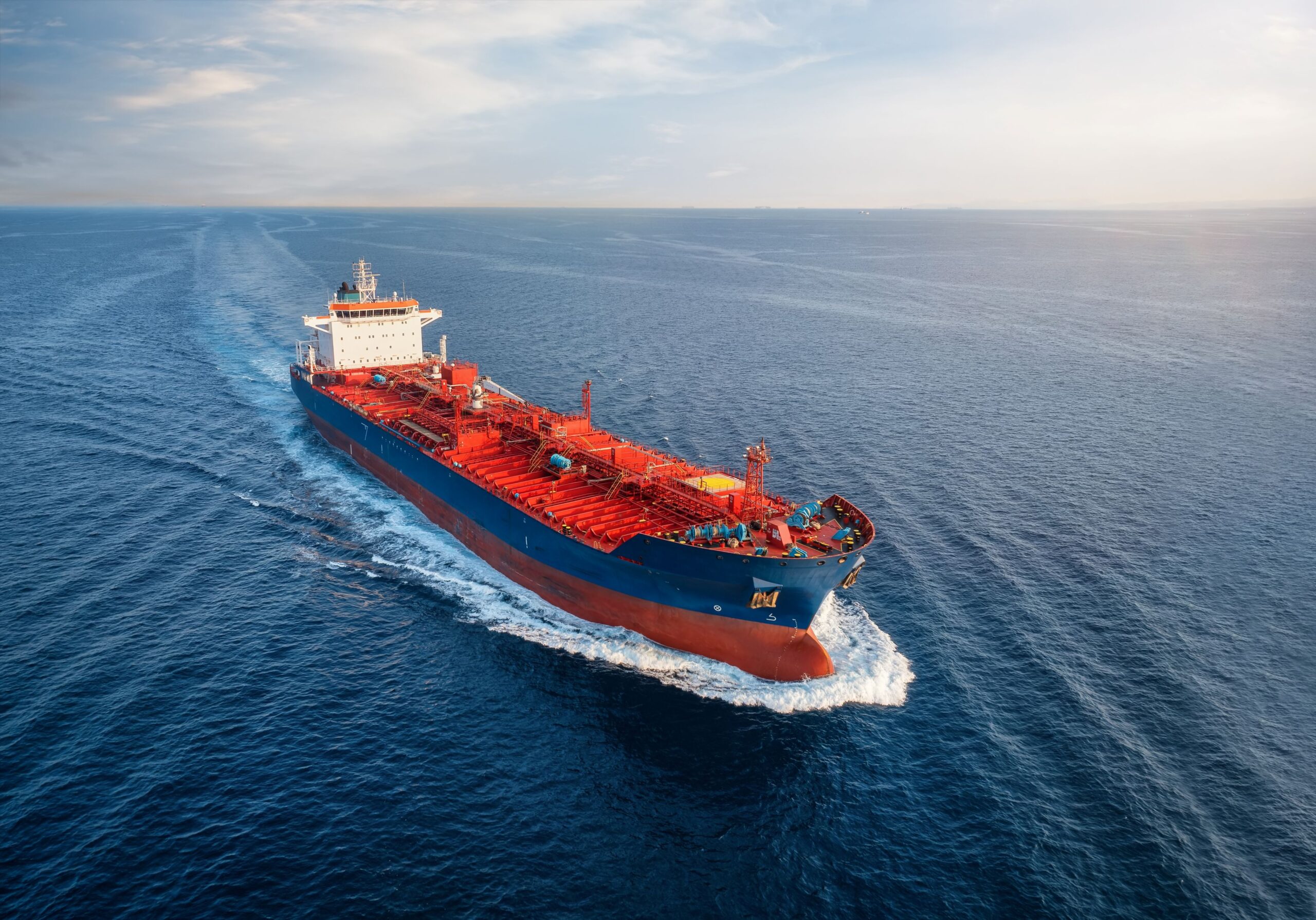
Inspections of shadow vessels have exposed widespread use of high-speed communication systems running remote desktop software like AnyDesk and TeamViewer. These programs grant operators global access to ship controls, often with persistent, unattended connections. In one instance, administrators attempted to remotely wipe data from a vessel after it had been boarded by US officials, highlighting the extent of external control.
Rear Admiral Jason Tama, head of the Coast Guard’s Cyber Command, noted that the discovery of pirated, malware-laden navigation software has shifted the perception of risk. On tankers carrying millions of gallons of volatile crude oil, compromised digital systems could potentially trigger fire, explosions, or massive oil spills. The fleet further complicates tracking by utilizing multiple automatic identification system devices to broadcast fake identities. Some ships even feature manual switches that allow crews to toggle between different vessel names, mirroring the identities of scrapped ships to maintain a digital ghost presence. As the US pushes for a global crackdown, these revelations underscore a security gap that extends far beyond physical maritime safety.




Comments (0)
No comments yet. Be the first!