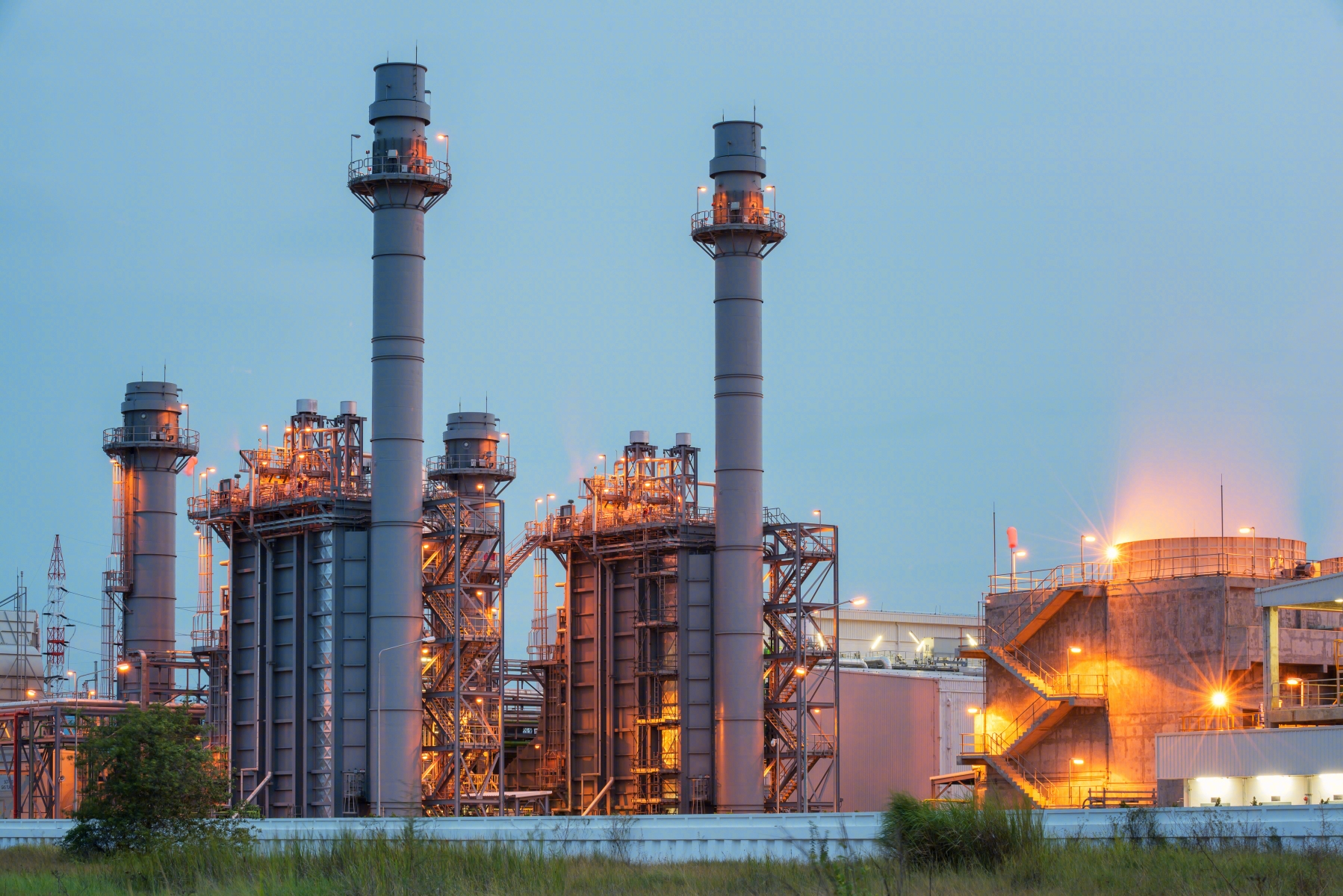
The rapid shift toward behind-the-meter power generation allows companies like Meta to secure stable, exclusive energy supplies independent of the public grid. By insulating themselves from existing utility infrastructure, these firms avoid traditional regulatory bottlenecks, but this speed comes at the cost of public transparency. State-level permitting systems, often designed to bolster national competitiveness, now frequently omit the extended environmental reviews and public hearings that once governed major industrial construction.
Critics point to the use of shell companies and strict confidentiality agreements as evidence of a deliberate effort to keep local residents in the dark. As these gas-fired plants rise near residential neighborhoods and schools, environmental researchers warn of localized spikes in nitrogen oxides and particulate matter. While Amazon, Microsoft, and other industry leaders maintain they are meeting all legal requirements, the parallel power system remains largely shielded from community input. This creates a widening gap between the urgent economic push for AI infrastructure and the local governance of air quality and industrial safety.


Comments (0)
No comments yet. Be the first!