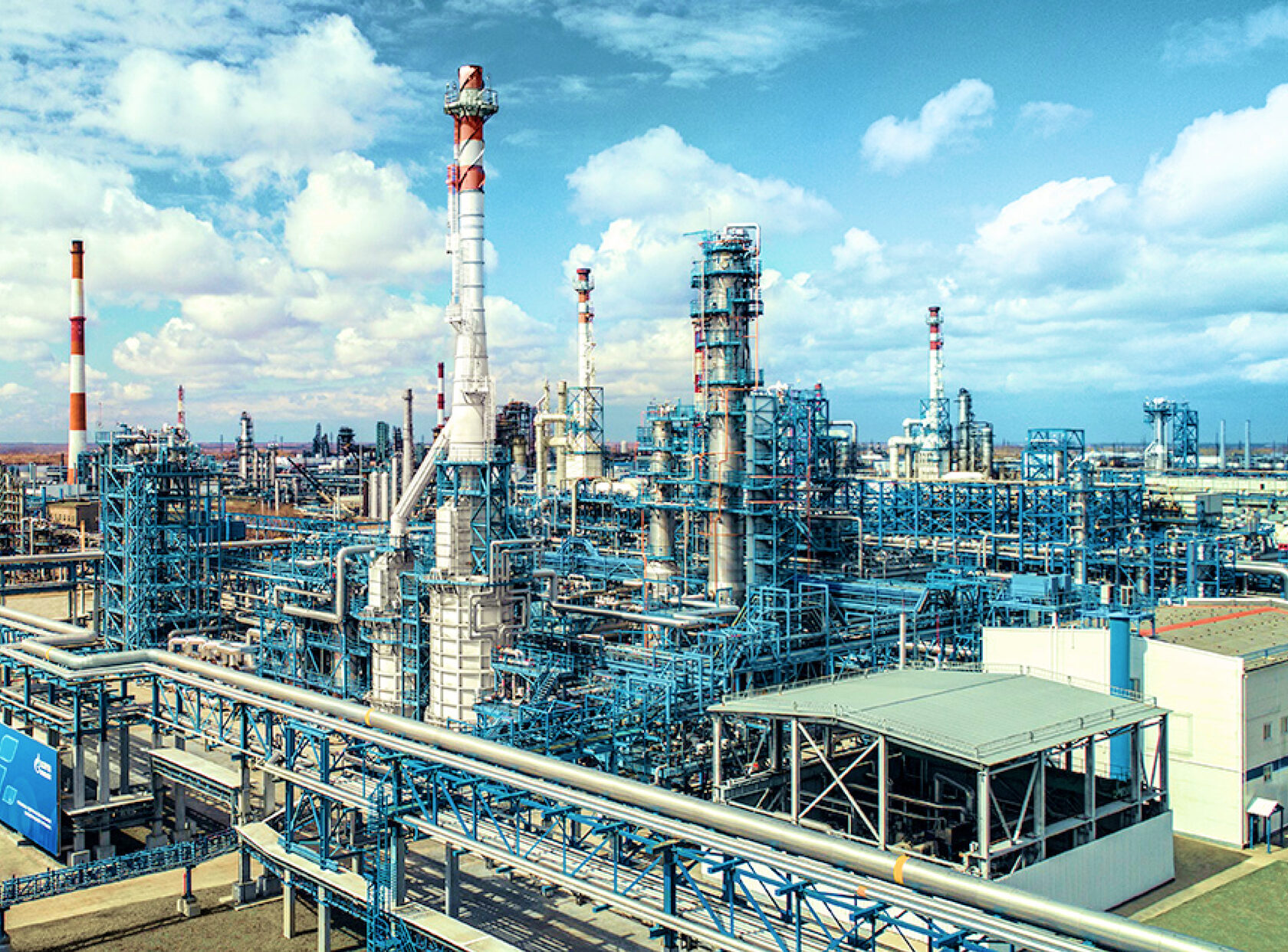
While local officials claimed the blaze was extinguished without significant operational disruption, the incident highlights the mounting strain on Russia’s fuel supply chain. The facility remains a cornerstone of the region's output, processing millions of tons of crude into essential petrol, diesel, and jet fuel annually. As the frequency of these strikes has doubled since early 2026, the cumulative damage is beginning to alter the domestic market landscape.
Retailers are now reacting to the tightening supply, with Tatneft implementing nationwide purchase caps on gasoline and diesel. These rationing measures, which include per-vehicle limits and payment restrictions, reflect a broader logistical pressure on distribution networks. By targeting refining capacity rather than crude production, Ukraine is forcing a shift in Russia’s economic stability, moving the conflict from the front lines directly into the national fuel distribution system. The resilience of the energy sector is being tested as repairs and supply rerouting struggle to keep pace with the ongoing aerial campaign.



Comments (0)
No comments yet. Be the first!