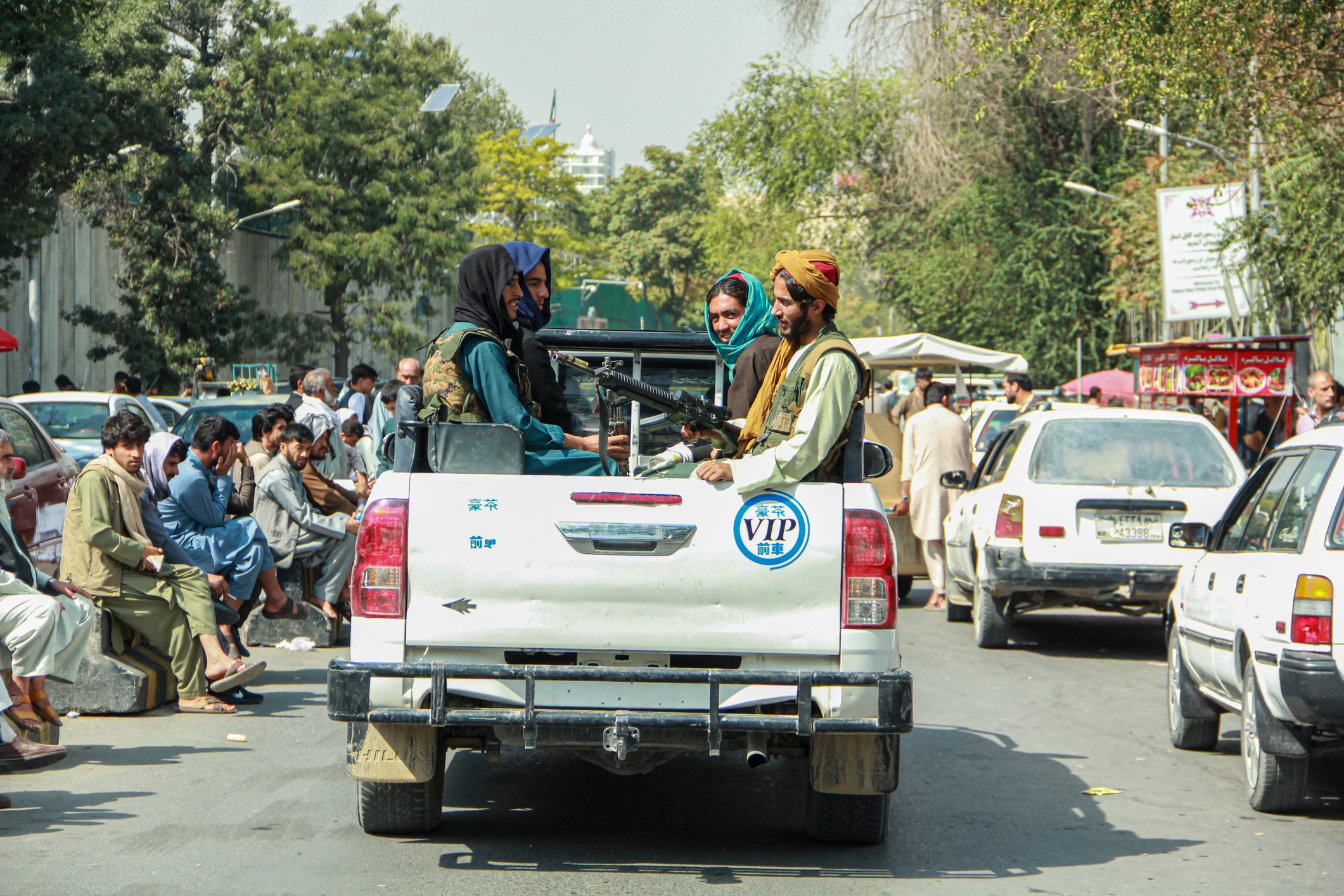
The August 2024 implementation of “vice and virtue” laws serves as the cornerstone of this institutional shift. Rather than reflecting temporary ideological zeal, these statutes legally mandate the exclusion of women from public life, education, and employment. By requiring full face coverage and prohibiting women from speaking in public, the regime has transformed social control into a state-prosecuted criminal matter. This is not merely an exercise in tradition; it is a strategic mechanism to dismantle potential centers of resistance and consolidate patriarchal authority.
Political dissent faces a similarly structured apparatus. The regime now utilizes a formal criminal code, endorsed in January 2026, to institutionalize coerced confessions and caste-like social hierarchies. Journalists and critics encounter a climate of preemptive self-censorship, where the fear of state-sanctioned retribution effectively replaces the need for overt censorship. This environment operates alongside an acute humanitarian crisis, where 23 million people require aid. The withdrawal of significant US funding in early 2025 has left vulnerable populations with little capacity to challenge the regime’s tightening grip.
International bodies have begun to categorize these actions as crimes against humanity. In October 2025, the UN Human Rights Council established an independent investigative mechanism to preserve evidence of these violations. While these legal efforts signal a global recognition of the regime's nature, the Taliban’s consolidation remains largely unchecked by external powers. The regime continues to treat systematic repression not as an unintended byproduct, but as the fundamental architecture required to maintain control in the absence of popular consent.


Comments (0)
No comments yet. Be the first!