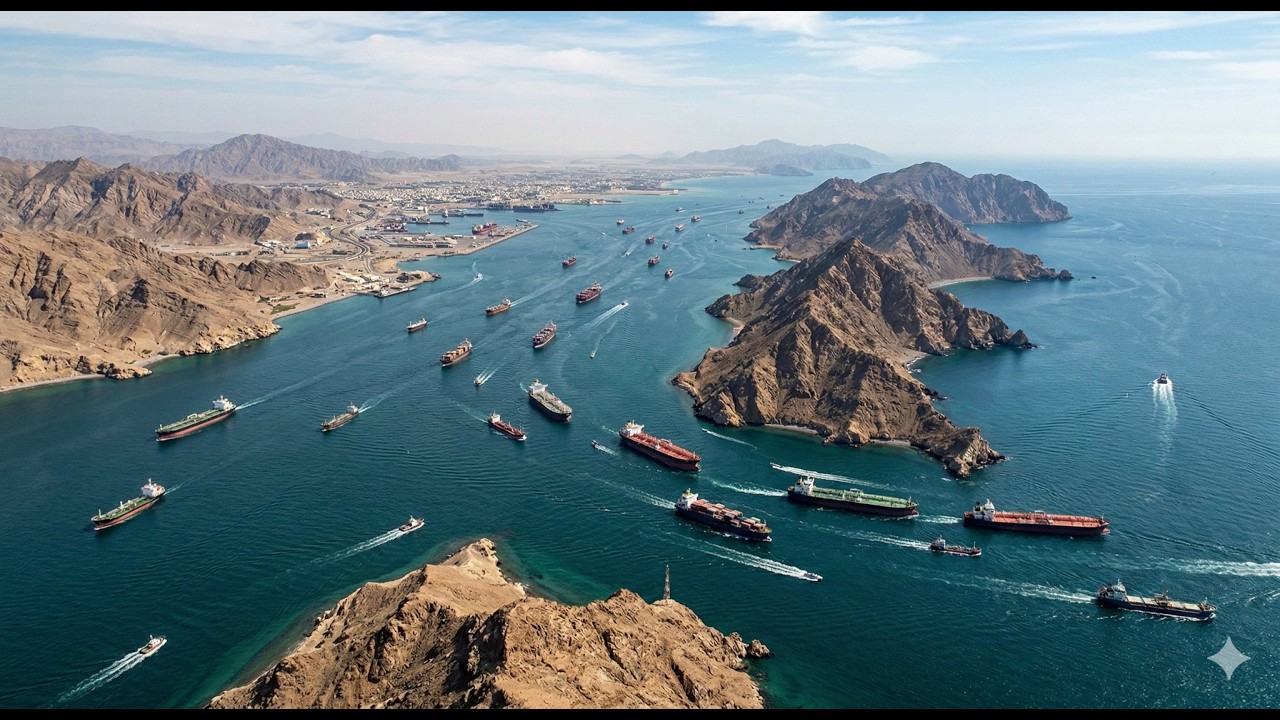
The pact, slated for formal signing in Switzerland later this week, represents the first significant diplomatic movement since joint U.S.-Israeli strikes hit Iranian targets in February. By committing both nations to an immediate cessation of hostilities, the framework has provided the global economy a rare moment of relief, evidenced by a sharp decline in oil prices and a surge in investor confidence as energy supply chains stabilize.
The Nuclear and Sanctions Standoff
Despite the ceasefire, the core drivers of the conflict remain unaddressed. The future of Iran’s uranium enrichment program is now the focal point of a two-month diplomatic sprint, with the U.S. seeking to dismantle capabilities that Tehran continues to claim are purely peaceful. Simultaneously, the potential for sanctions relief and the release of billions in frozen assets looms as a major political flashpoint for the Trump administration, which faces pressure from domestic critics and regional allies to avoid premature concessions.
Israel’s position adds a layer of persistent instability, as officials in Jerusalem have signaled they will maintain operational freedom in southern Lebanon regardless of the bilateral agreement. This disconnect highlights the primary risk of the deal: it functions as a temporary diplomatic off-ramp rather than a comprehensive security settlement. Whether this framework evolves into a durable peace will depend on the upcoming rounds of talks, as both Washington and Tehran attempt to bridge fundamental gaps regarding regional influence and nuclear policy without fully abandoning their strategic objectives.


Comments (0)
No comments yet. Be the first!