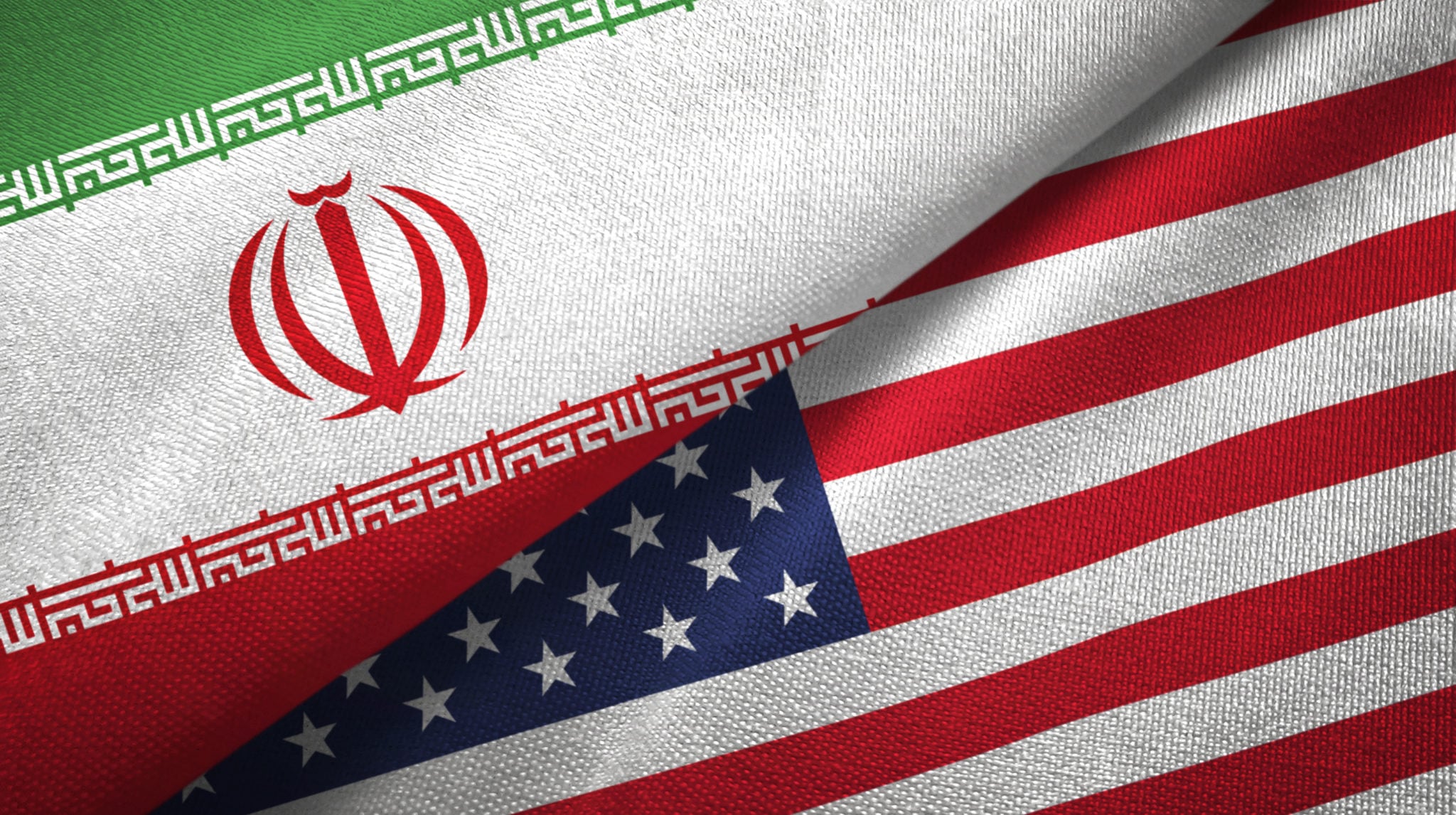
The proposed agreement centers on the removal of Iran’s highly enriched uranium and the normalization of transit through the Persian Gulf. According to an anonymous US official, the pact would establish a 60-day window following the signing to finalize technical protocols for dismantling the nuclear material, currently believed to be housed within sites damaged by previous US strikes. Iran’s Foreign Minister Abbas Araghchi has signaled a willingness to engage, though he maintains that Tehran intends to impose transit fees for ships utilizing the strait—a practice Washington previously condemned as a violation of international law.
The diplomatic push arrives against a backdrop of escalating violence. US Central Command recently reported intercepting Iranian drones targeting commercial vessels, while Israeli Defense Minister Israel Katz explicitly stated that Israel reserves the right to act independently regardless of any broader accord. Tehran has further complicated the roadmap by conditioning its compliance on a ceasefire in Lebanon, where its proxy, Hezbollah, remains engaged in active combat. As regional officials suggest that a deal could include a phased lifting of sanctions and the release of frozen assets, the reality on the ground remains volatile, with military operations persisting in southern Lebanon and the West Bank.


Comments (0)
No comments yet. Be the first!