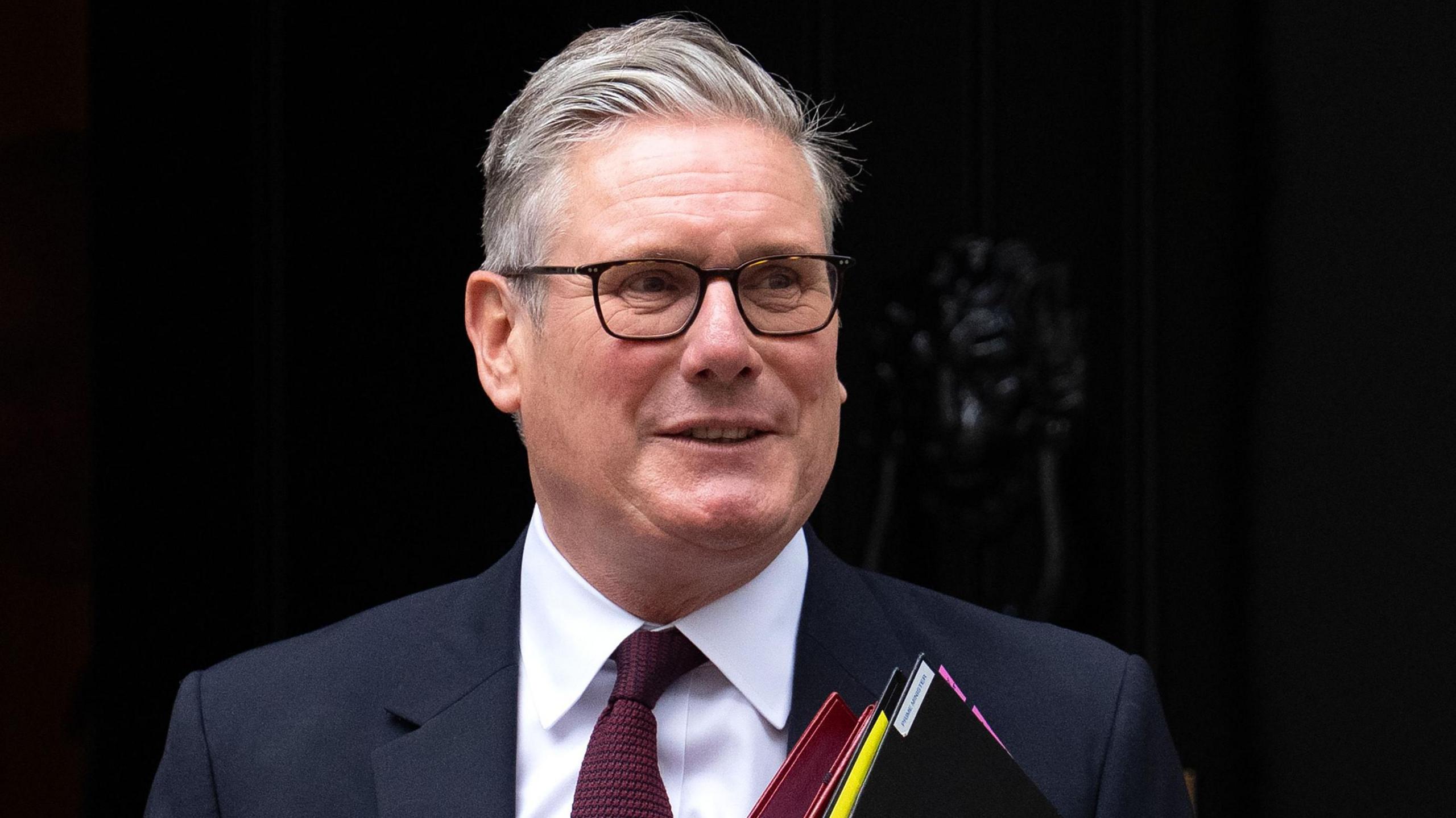
The lingering shadow of the 2007–09 financial crisis remains the primary engine behind this instability. As real income growth continues to stall, the public patience for gradual reform has vanished. Leaders such as Britain’s Keir Starmer and Germany’s Friedrich Merz now operate under the constant pressure of shifting electoral allegiances, where even minor missteps translate into immediate political peril.
This climate creates a distinct 'one-term mindset' among heads of state. Rather than nursing long-term projects, officials are forced to pursue aggressive, decisive policies to prove their efficacy within a narrow window. While this approach risks clashing with bond markets and rigid fiscal constraints, some figures, such as Canada’s Mark Carney, argue that forthright governance remains the only viable path to navigating these constraints. Ultimately, the survival of modern governments depends on their ability to deliver tangible results before the electorate demands a change in direction.


/sambad-english/media/post_banners/wp-content/uploads/2024/05/MixCollage-12-May-2024-06-15-PM-365.jpg)
Comments (0)
No comments yet. Be the first!