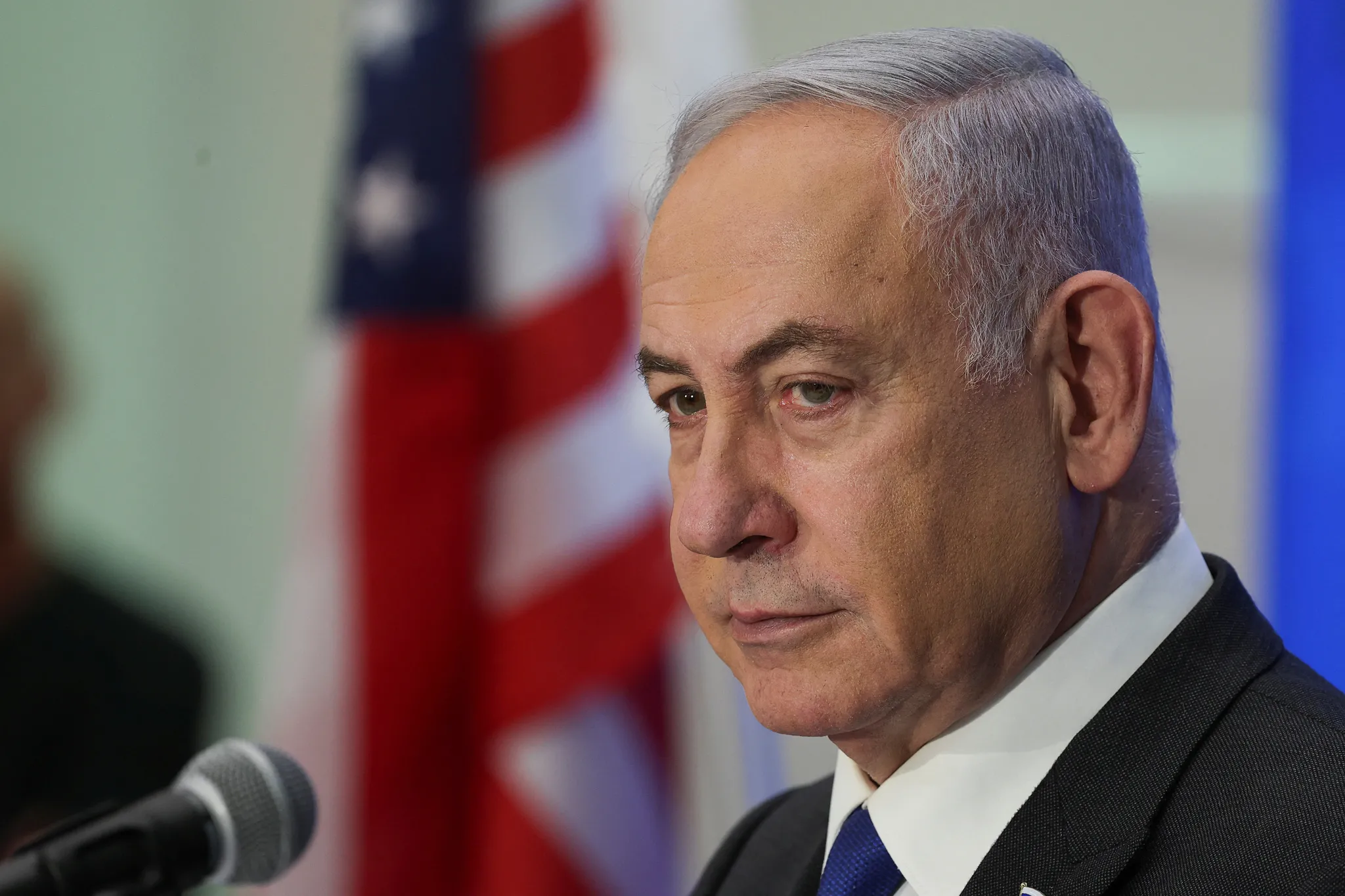
Israel’s military actions in Lebanon are rarely isolated episodes; they function as a deliberate mechanism to derail regional diplomacy. Between April 17 and June 7 alone, the Lebanese government reported nearly 3,500 Israeli strikes, resulting in the displacement of over one million people and widespread destruction of civilian infrastructure. This pattern forces Lebanon to serve as a tactical buffer, allowing Israel to widen the conflict while simultaneously blaming Iran for the inevitable retaliatory responses. By keeping a front active, Netanyahu aims to frame any diplomatic opening with Tehran as inherently dangerous or premature.
Tehran has countered this by explicitly linking a Lebanese ceasefire to any broader peace deal with Washington. This stance exposes the limitations of American strategy, which often attempts to sequence negotiations while allowing Israel to reshape facts on the ground. Washington’s failure to constrain these actions reveals a transactional approach to its own alliances, contrasting sharply with the consistency Iran maintains regarding its regional partners. If the United States seeks a credible ceasefire, it must abandon the pretense that the Lebanese crisis can be detached from the wider diplomatic framework. Peace cannot be secured by granting Israel a side door to sustain hostilities while simultaneously calling for stability in the Middle East.



Comments (0)
No comments yet. Be the first!