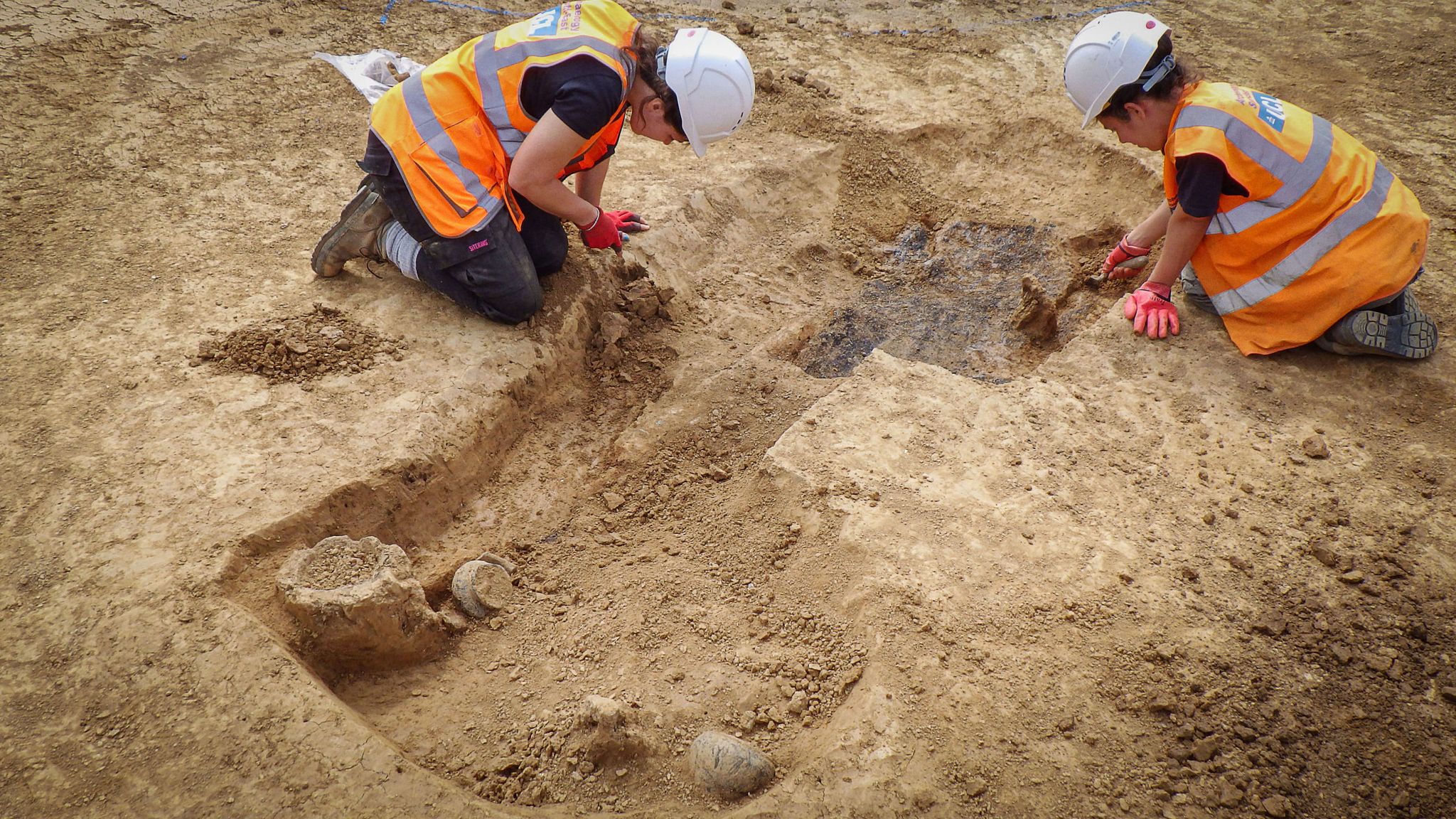
Archaeologists from the United Kingdom and the United States examined remains from a burial site in Sutherland, identifying an adult woman over 30 and a younger male relative. Skeletal analysis, isotope testing, and ancient DNA confirmed the two were likely maternal second cousins. Beyond the cranial incisions, the team noted that long bones from the arms and legs had been shaped into sharp points, indicating they were repurposed as tools before being interred.
Dr. Laura Castells Navarro of the University of York described the findings as evidence of a previously unknown funerary tradition. While the specific motivation for the brain removal remains a mystery, the practice points to a sophisticated approach to death rituals. The unique environmental conditions of north-west Scotland preserved these bones, offering a rare look at customs that rarely survive the archaeological record. Researchers emphasize that these modifications appear to be a deliberate part of the burial process rather than signs of violence, reflecting the meticulous care Iron Age communities took with their dead.




Comments (0)
No comments yet. Be the first!