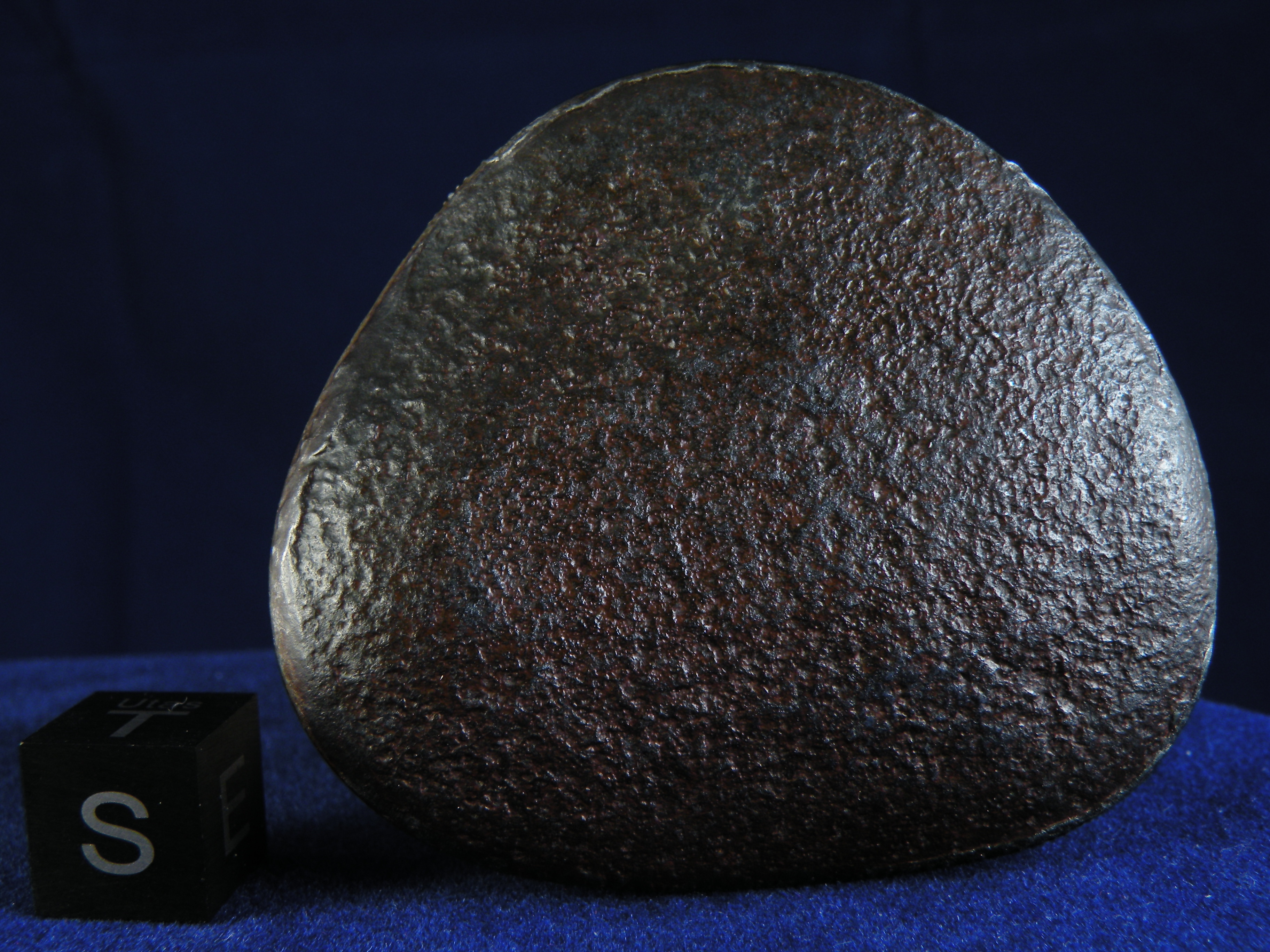
The study, published in Earth and Planetary Science Letters, centers on angrites—a rare class of volcanic rocks that formed just millions of years after the solar system began 4.56 billion years ago. Researchers previously categorized angrites as debris from small asteroids due to their low silica content. However, analysis of the NWA 12774 specimen revealed clinopyroxene crystals rich in aluminum, a composition requiring at least 17.5 kilobars of pressure to form. This environment is nearly 18 times more intense than the crushing depths of the Mariana Trench.
According to Aaron Bell, a researcher at CU Boulder, these findings necessitate a parent body with a radius of at least 1,000 kilometers. Further analysis of the crystal structures suggests the parent body may have reached a radius of 1,800 kilometers, approaching the size of Mars. This suggests the early solar system followed a more complex evolutionary path than previously understood. Scientists now suspect that a violent collision may have shattered the protoplanet, potentially scattering its material to become the building blocks for other terrestrial worlds, including Earth.



Comments (0)
No comments yet. Be the first!