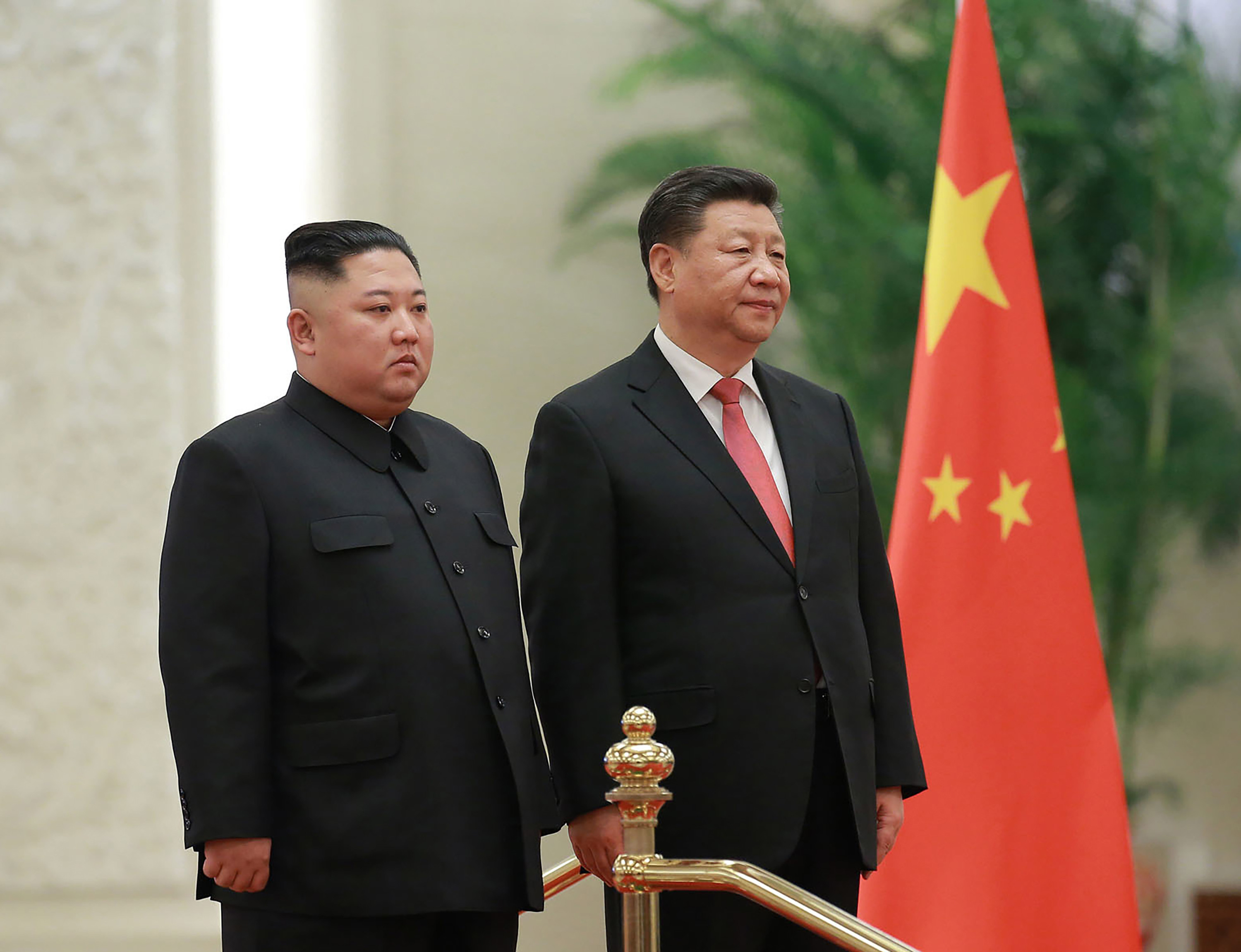
The summit featured symbolic gestures, including a visit to the Sino-Korean Friendship Tower and a ceremonial tree planting, designed to project an image of enduring cooperation. Beyond the pageantry, the dialogue yielded a pledge to increase high-level exchanges and policy synchronization. Notably, Kim reaffirmed his support for the One China principle, a calculated move that bolsters Beijing's position amid rising regional tensions regarding Taiwan.
While the public rhetoric focused on solidarity, the two nations framed the meeting through different lenses. Chinese state outlets highlighted potential gains in agriculture, trade, and regional stability, whereas North Korean media emphasized political equality and mutual resistance to external pressure. The conspicuous absence of any public discourse regarding Pyongyang’s nuclear program or Washington-led negotiations suggests that both parties deliberately sidelined volatile security topics to maintain the summit's carefully curated narrative of bilateral friendship.
For Beijing, the visit serves as a strategic hedge, securing its northeastern border and ensuring continued influence in regional security dialogues involving Japan and South Korea. Conversely, the event provides Kim with vital diplomatic legitimacy, signaling to the international community that Pyongyang is far from isolated. Although the two nations are entering a period of closer coordination, the relationship remains defined by pragmatic self-interest. China seeks to stabilize its neighbor to prevent border volatility, while North Korea continues to leverage its alignment with Beijing to protect regime security and assert its autonomy on the global stage.



Comments (0)
No comments yet. Be the first!