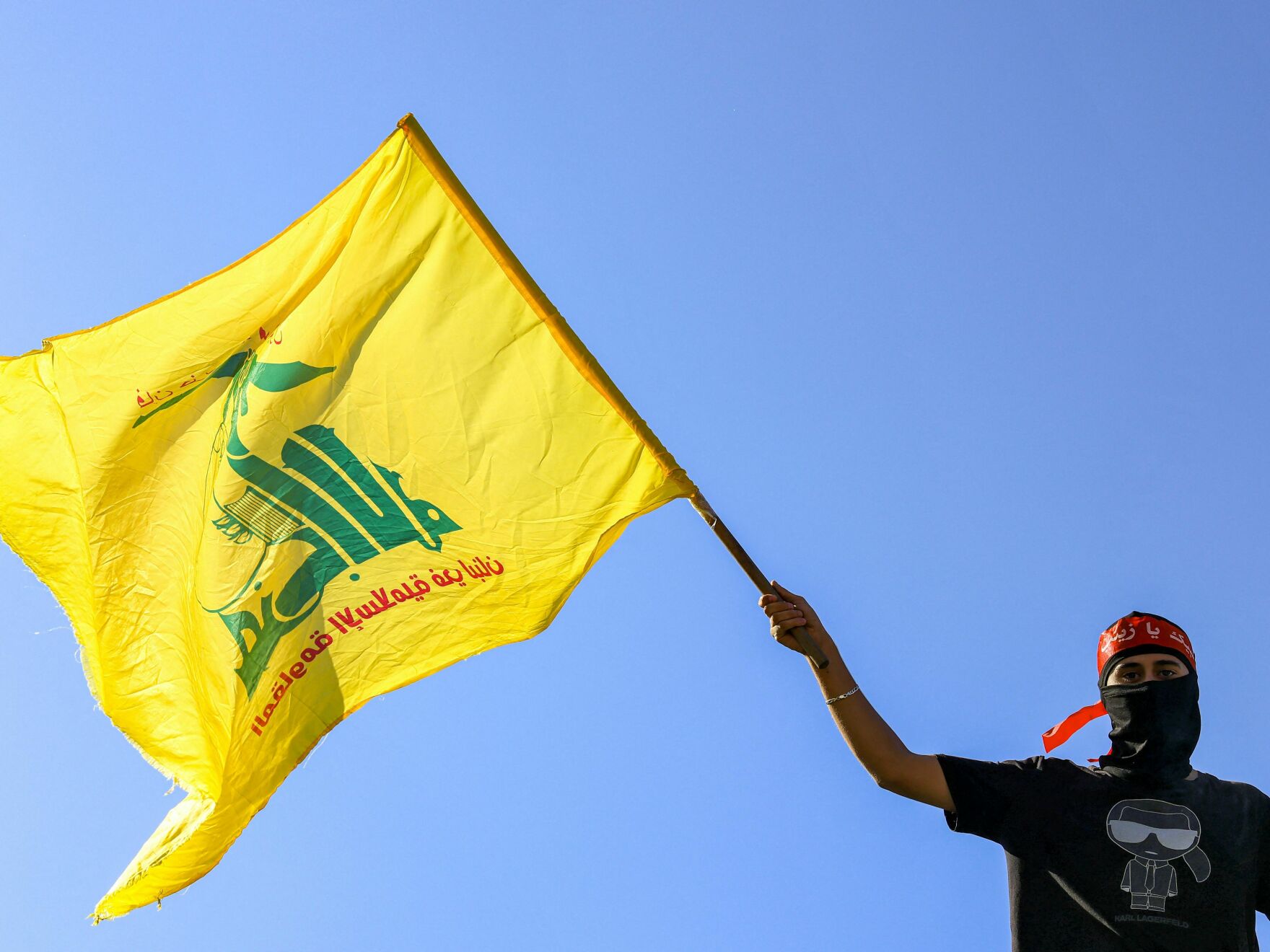
Hezbollah’s influence extends far beyond the battlefield, as it functions as a dual-purpose entity providing social services to Lebanon’s Shi’ite population while exerting ironclad control over their political representation. Unlike other factions that surrendered their arms following the civil war, the group maintained a private arsenal that swelled to approximately 150,000 rockets and missiles by 2020. This military expansion allowed it to pivot from a local force resisting Israeli occupation in southern Lebanon to a key regional player supporting the Syrian government, Iraqi militias, and the Houthi movement.
The group’s alignment with Hamas triggered the current escalation, with constant cross-border fire evolving into a full-scale Israeli offensive by September 2024. Airstrikes have systematically decimated the group’s command structure, while ground incursions into southern Lebanon have forced mass displacement and deepened the internal Lebanese divide. While the U.S., Argentina, and other nations classify Hezbollah as a terrorist organization—citing historical bombings and the assassination of Prime Minister Rafik al-Hariri—the group maintains that its weapons remain essential for national defense.
Tehran continues to attempt to replenish the group’s depleted military capacity, yet the loss of Syrian logistical support and mounting domestic pressure to disarm have left Hezbollah at a historic crossroads. The organization now resists full disarmament, fearing that relinquishing its weapons would not only destroy its regional relevance but also ignite a devastating civil war within Lebanon.


Comments (0)
No comments yet. Be the first!