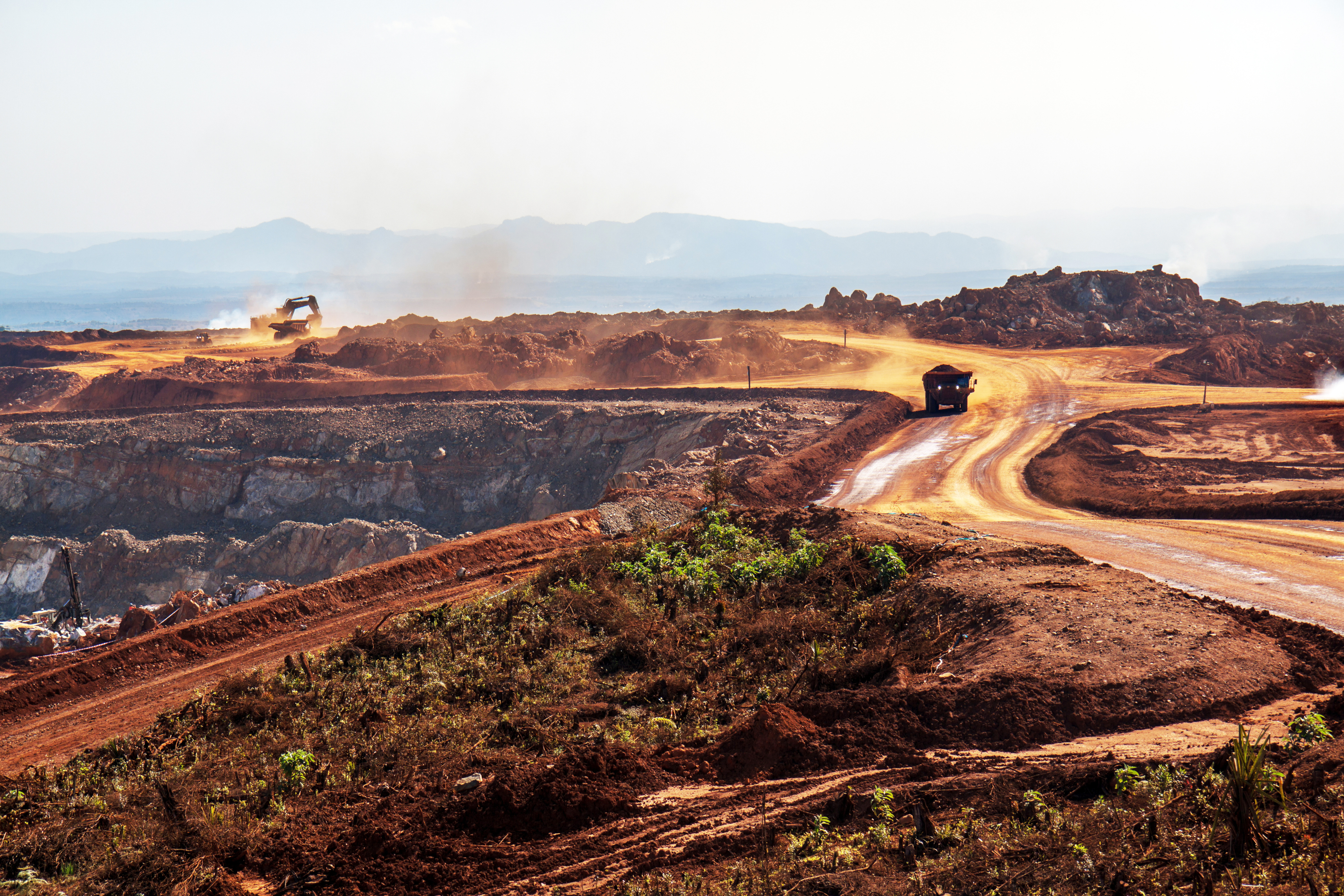
The current competition for resources echoes the colonial era, yet the stakes are now defined by the requirements of modern technology. From manganese in South Africa and Gabon to lithium deposits in Zimbabwe, the continent possesses the raw materials necessary for the global energy transition. The European Union, feeling the pressure of supply chain volatility and recent Chinese export restrictions, has moved to secure its future through a $13.98 billion investment pledge in South Africa. This capital aims to build out local infrastructure, transforming raw extraction into functional supply chains that can feed international markets.
However, African nations are no longer passive participants. Zimbabwe has countered the trend of unfettered extraction by imposing a total ban on the export of raw lithium. By forcing domestic processing, Harare seeks to prevent the profit leakage that historically plagued resource-rich states. This strategy creates a fundamental tension: countries must choose between the immediate capital influx of foreign investment and the long-term goal of industrial sovereignty. While the EU and the United States—the latter having recently committed $50 million toward South African rare earth development—compete for access, the continent’s ultimate trajectory depends on how its leaders leverage these assets to escape the cycles of exploitation.




Comments (0)
No comments yet. Be the first!