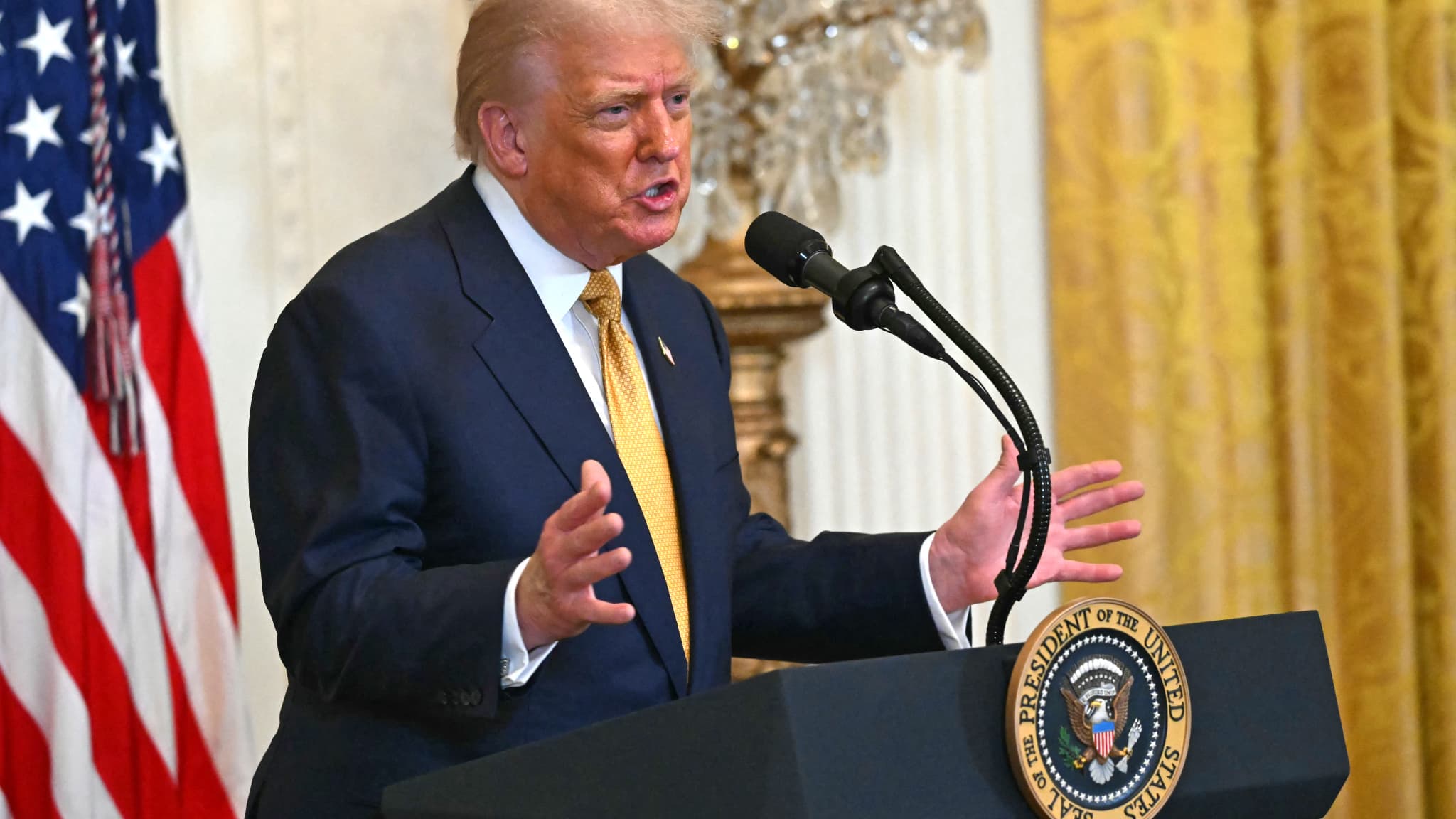
Washington maintains that the current ceasefire initiative in Lebanon remains a viable blueprint for a wider settlement involving Tehran. Despite the diplomatic pressure, Israel has continued its campaign against Hezbollah, forcing the U.S. to navigate a widening gap between its own de-escalation strategy and the security priorities of its regional ally. Reports indicate that Trump has privately pressed Prime Minister Benjamin Netanyahu to exercise restraint, aiming to insulate the fragile negotiations from the volatile realities of the battlefield.
The friction between military action and political dialogue is already echoing through global markets, where oil prices have climbed amid fears of potential disruptions to critical energy transit routes like the Strait of Hormuz. While the White House remains committed to securing a long-term agreement with Iran, the recent cycle of violence highlights the limited control Washington wields over the localized security calculations of regional actors. As Israel pursues its operations and Iran seeks sanctions relief, the success of the U.S. initiative depends heavily on whether these parties can prevent tactical military escalations from permanently sabotaging the broader diplomatic framework.




Comments (0)
No comments yet. Be the first!