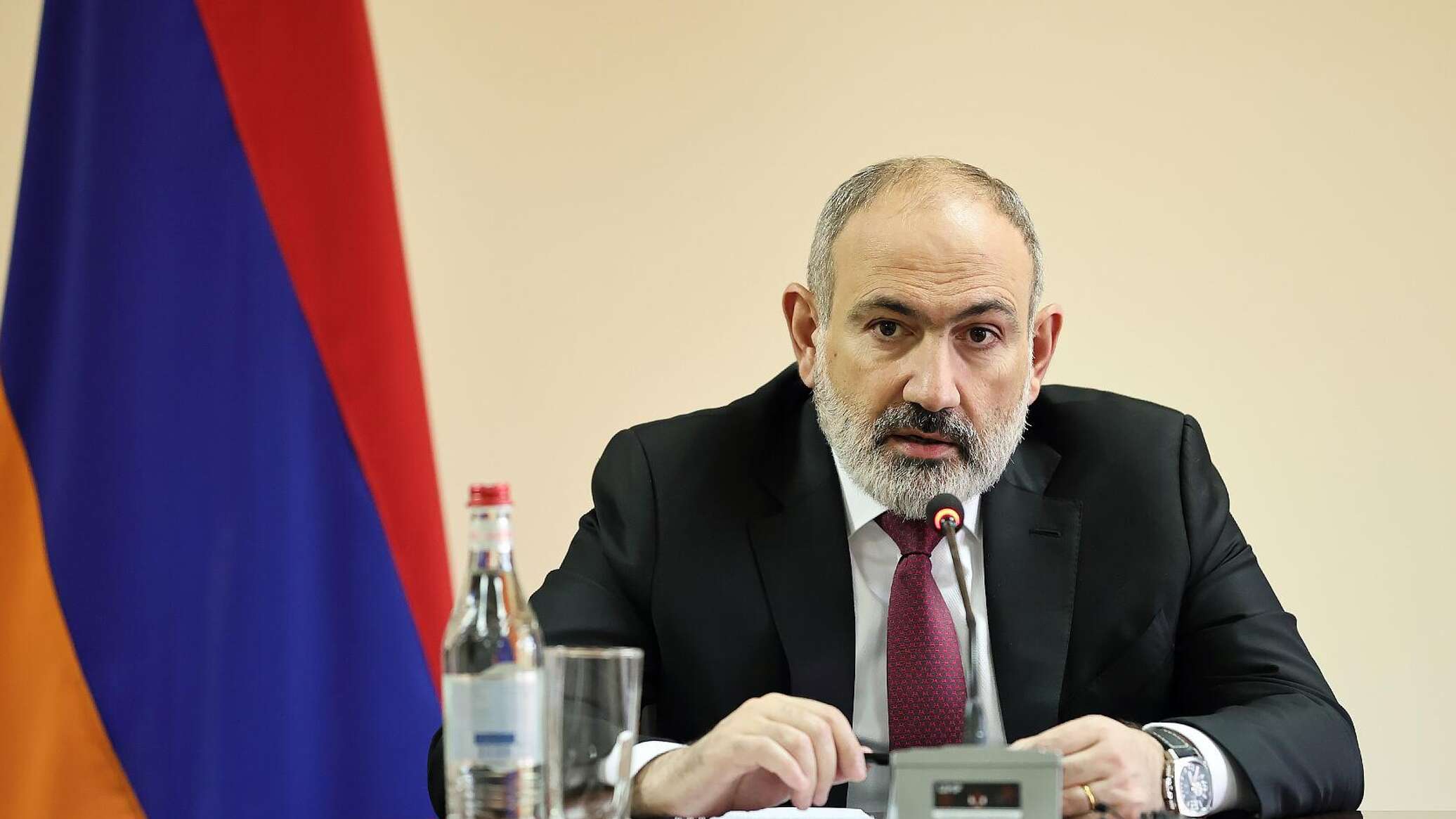
While Pashinyan’s Civil Contract party maintains a lead in current projections, the electorate remains deeply fractured. Since ascending to power in 2018, the Prime Minister has aggressively courted Western alliances, a strategic realignment that has drawn sharp retaliation and diplomatic friction from the Kremlin. This pivot has become the central fault line of the campaign, forcing voters to choose between traditional regional security paradigms and a new, untested integration with European institutions.
The political climate has grown increasingly volatile, with the opposition—most notably the pro-Russian Strong Armenia party—alleging a campaign of state-sponsored intimidation. Businessman Samvel Karapetyan, who leads the opposition bloc, has decried a string of politically motivated arrests aimed at silencing dissent. Despite solid economic performance, the administration’s handling of the 2023 conflict with Azerbaijan remains a toxic issue, fueling accusations of territorial concessions that have alienated large swaths of the population. As ballots are cast, the outcome will define not just the internal governance of the country, but Armenia’s geopolitical orientation for the coming decade.



Comments (0)
No comments yet. Be the first!