Tehran’s retaliation saw strikes launched against U.S. military bases in Kuwait and Bahrain, while tankers navigating the vital waterway came under direct fire. Both Kuwait and Bahrain have publicly denounced the aggression, labeling the Iranian maneuvers a dangerous destabilization of regional security. The resulting disruption to oil transit has immediate consequences for global energy markets, heightening the political urgency for both Washington and Tehran.
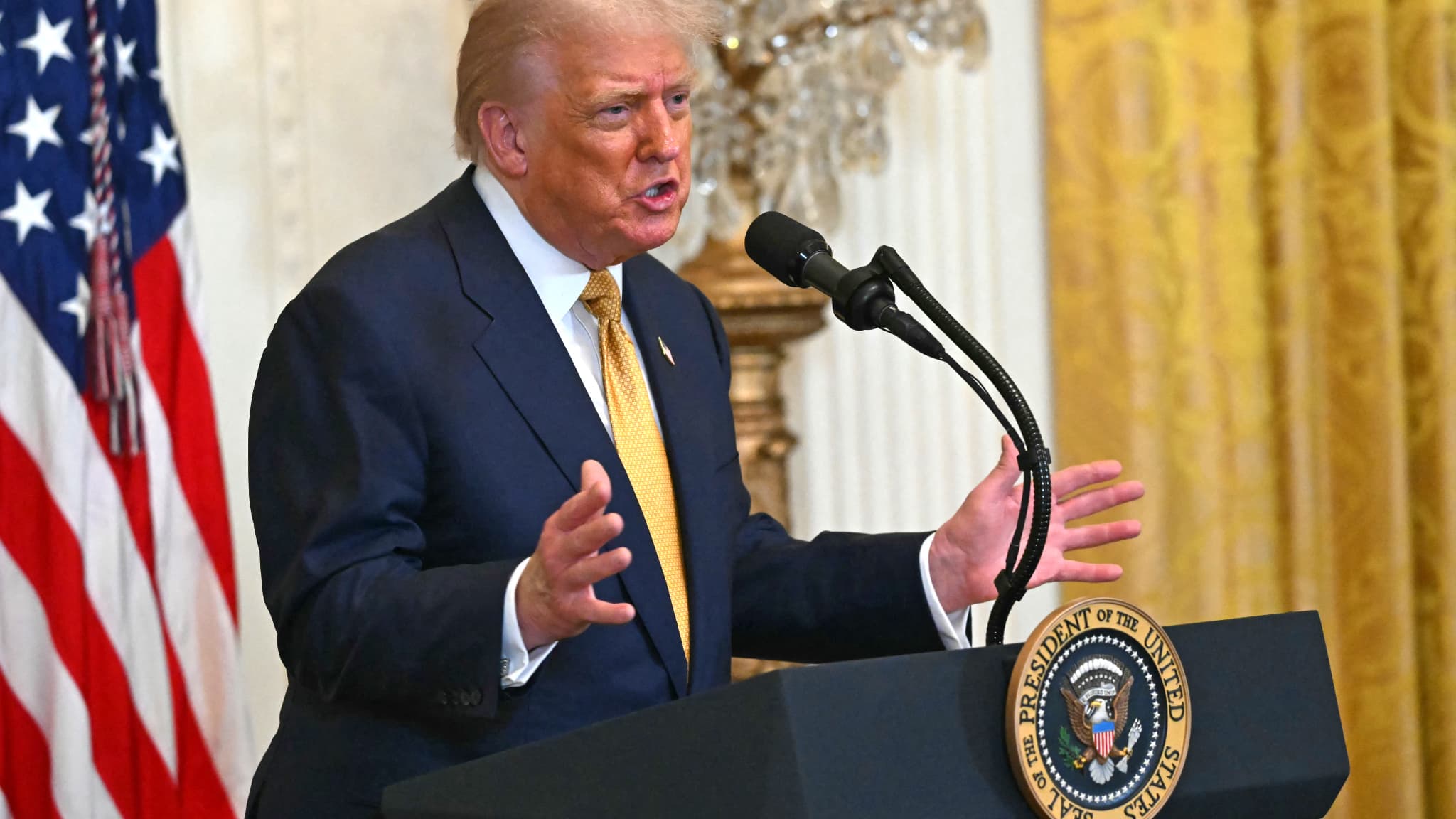
Despite the deepening military engagement, back-channel ceasefire negotiations persist without a clear breakthrough. Tehran continues to demand significant relief from economic sanctions and restored access to oil revenues as a condition for de-escalation. President Trump remains under intense domestic pressure to stabilize fuel prices while navigating a conflict that shows few signs of a diplomatic resolution.




Comments (0)
No comments yet. Be the first!