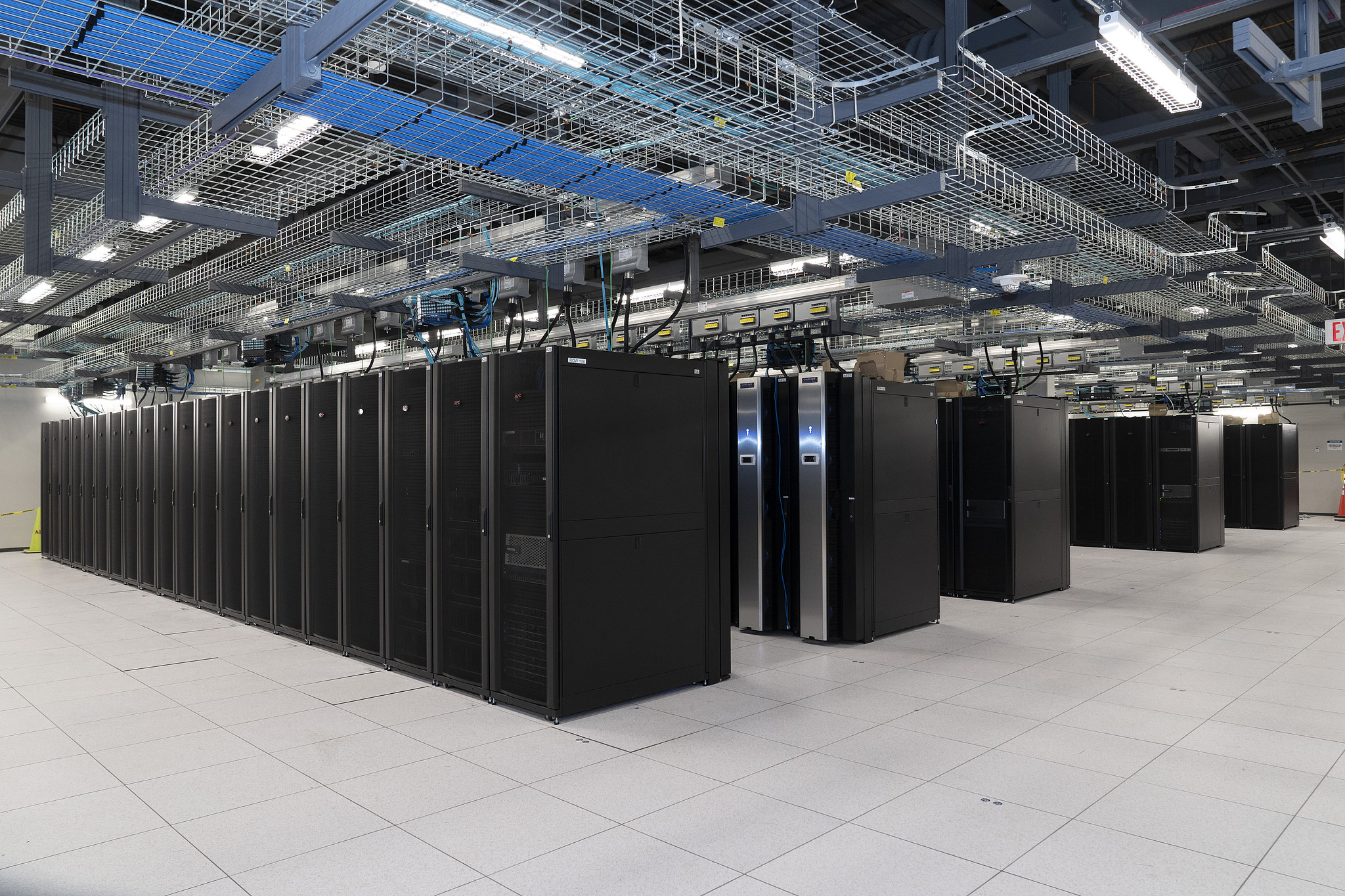
The study from the UN Institute for Water, Environment and Health highlights that AI is far from a purely digital phenomenon. It relies on a sprawling physical network of high-performance chips, energy grids, and cooling systems. Beyond water usage, these centers are projected to demand 945 terawatt-hours of electricity annually—nearly triple the combined consumption of Pakistan, Bangladesh, and Nigeria.
Researchers discovered that the daily operation of AI tools—specifically image and video generation—drives 80 to 90 percent of this energy demand, far outpacing the initial training of the models. Rather than calling for a total freeze on development, the authors urge tech firms and policymakers to integrate resource conservation into their innovation strategies. The report suggests that without a shift toward responsible infrastructure management, the environmental footprint of our digital tools may become unsustainable.




Comments (0)
No comments yet. Be the first!