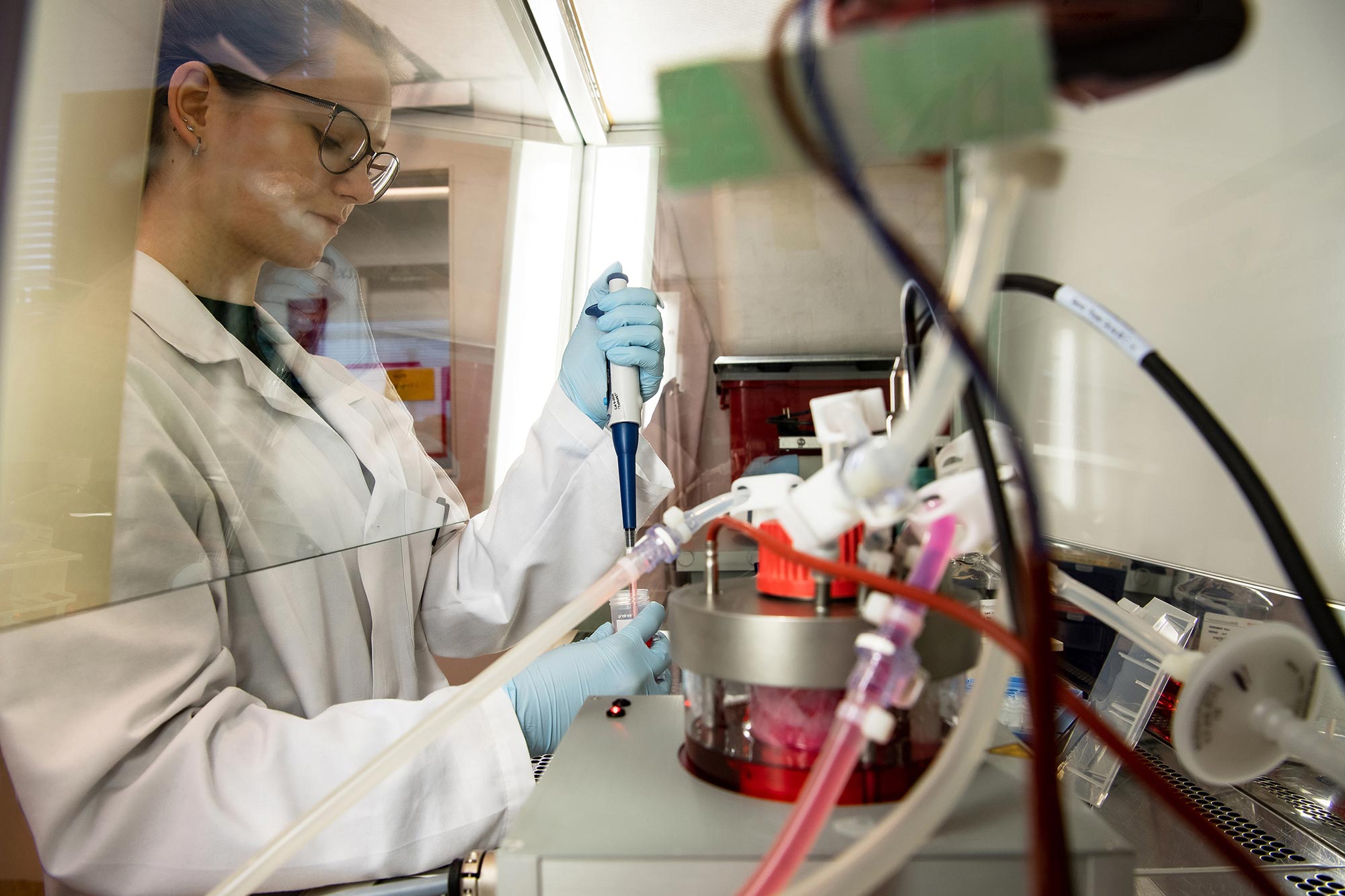
Traditional vaccine development often forces scientists into a reactive cycle, constantly chasing mutations in viruses like influenza or Covid-19. To break this pattern, researchers fed genetic sequences from a wide array of coronaviruses into an AI system. The algorithm synthesized a "super-antigen"—a blueprint designed to prime the human immune system against not just current strains, but also animal-borne viruses capable of jumping to humans.
Professor Jonathan Heeney, who leads the project, argues that this technology allows medicine to get ahead of the curve. While early results published in the Journal of Infection describe the immune response in the initial 39-person safety trial as modest, the data has sparked significant interest in the scientific community. A larger follow-up study involving 200 participants is currently underway to determine the vaccine's efficacy in broader populations.
The implications extend well beyond coronaviruses. The research team is now applying the same computational approach to Ebola and other viral haemorrhagic fevers, addressing pathogens for which no current vaccines exist. Professor Saul Faust of the University of Southampton noted the potential of this methodology, while Professor Andy Pollard of the Oxford Vaccine Group suggested that AI will likely become a fundamental tool for predicting immune responses and accelerating the development of life-saving medical countermeasures.




Comments (0)
No comments yet. Be the first!