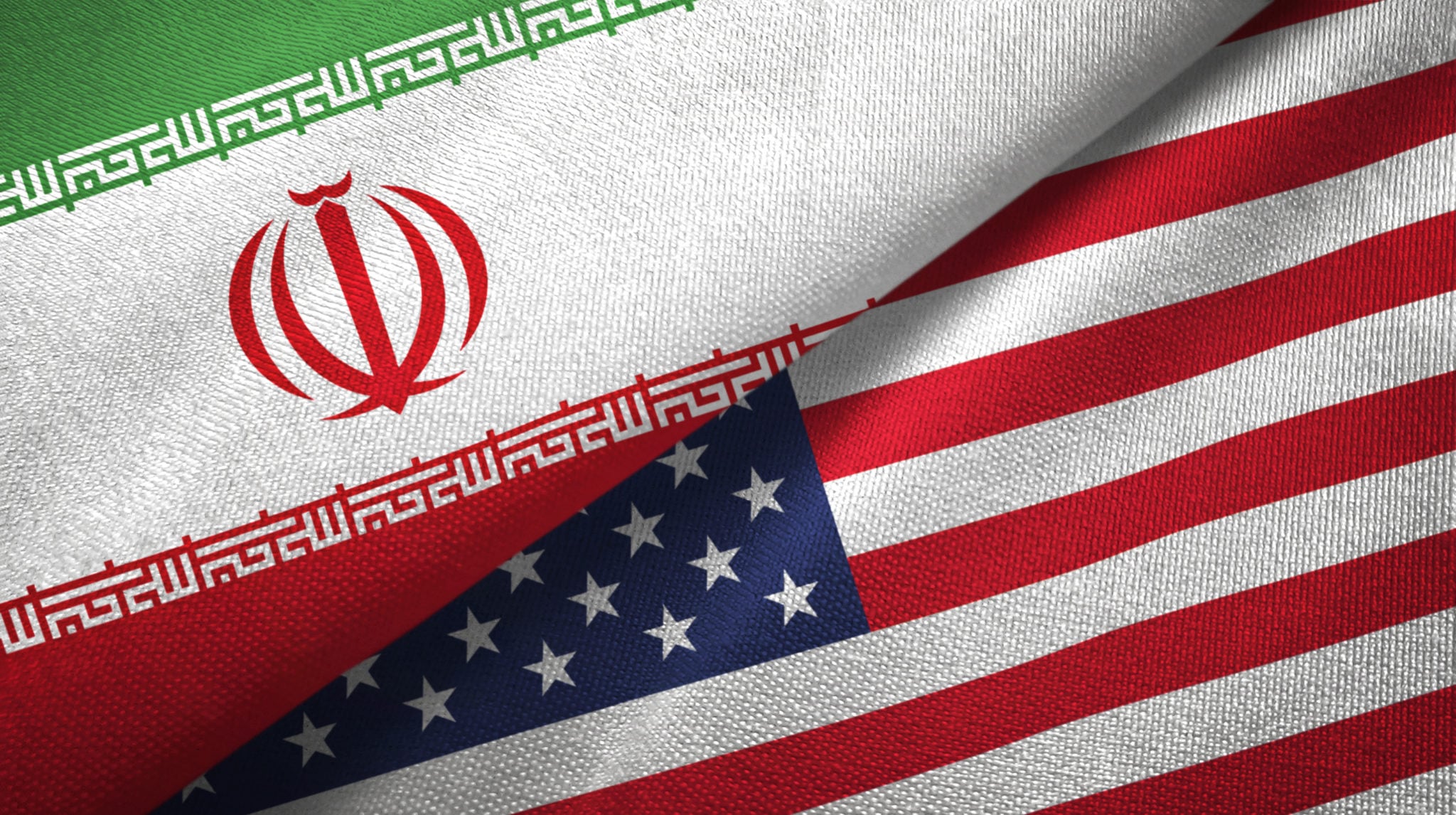
Washington maintains that the immediate reopening of the Strait of Hormuz is non-negotiable, citing the threat to global energy stability. Iran, however, treats the passage as a strategic bargaining chip to counter Western pressure. This tug-of-war is exacerbated by persistent suspicions from the United States regarding Tehran's nuclear ambitions. While Iranian officials maintain their atomic program is strictly for peaceful energy purposes, the technical debate over uranium enrichment levels, the dismantling of nuclear infrastructure, and the calibration of advanced centrifuges remains unresolved.
The diplomatic complexity extends into volatile territory beyond the nuclear file. Negotiators are struggling to reconcile conflicting interests surrounding Iran's ballistic missile development, the heavy burden of existing economic sanctions, and the ongoing proxy conflicts in Lebanon. Both sides are maneuvering for favorable terms, aware that any potential deal carries the weight of shifting the geopolitical balance across the Middle East. With the agenda cluttered by these overlapping crises, the path toward a comprehensive settlement appears increasingly narrow.



Comments (0)
No comments yet. Be the first!