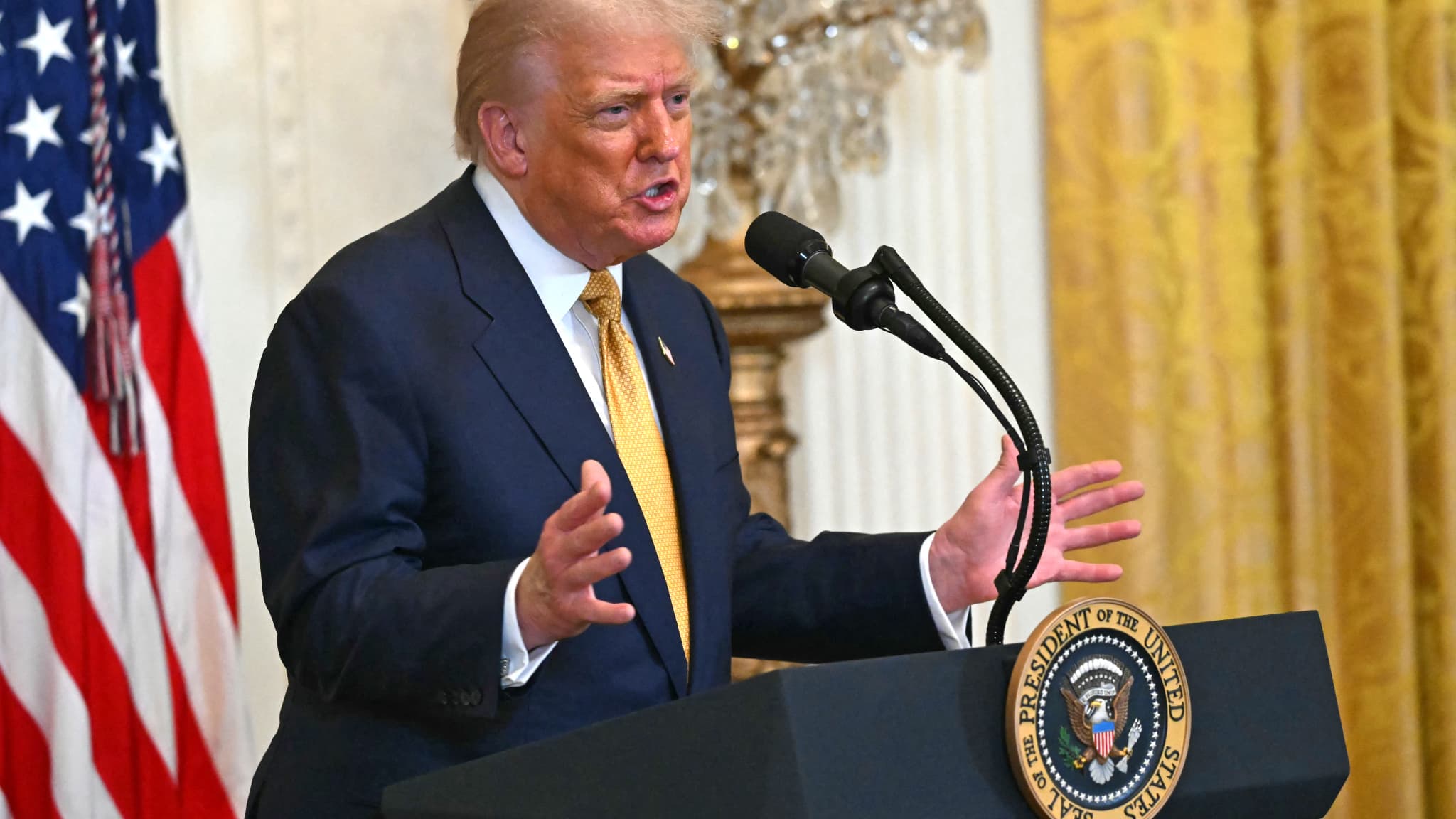
The proposal, emerging from a Section 301 investigation by the U.S. Trade Representative’s office, attempts to revive emergency measures previously struck down by the Supreme Court. While the administration frames the policy as a tool for humanitarian accountability, experts suggest the strategy prioritizes geopolitical trade leverage over genuine systemic reform. Human Rights Watch has warned that such unilateral economic pressure often triggers defensive political resistance in targeted regions, which risks isolating local activists and eroding existing anti-slavery initiatives.
This approach has also created friction with the European Union, where officials maintain that their regional frameworks provide a more granular and effective response to supply chain abuses. By tethering human rights outcomes to punitive trade duties, the U.S. strategy faces concerns that it may inadvertently worsen the conditions for the very workers it intends to support.




Comments (0)
No comments yet. Be the first!