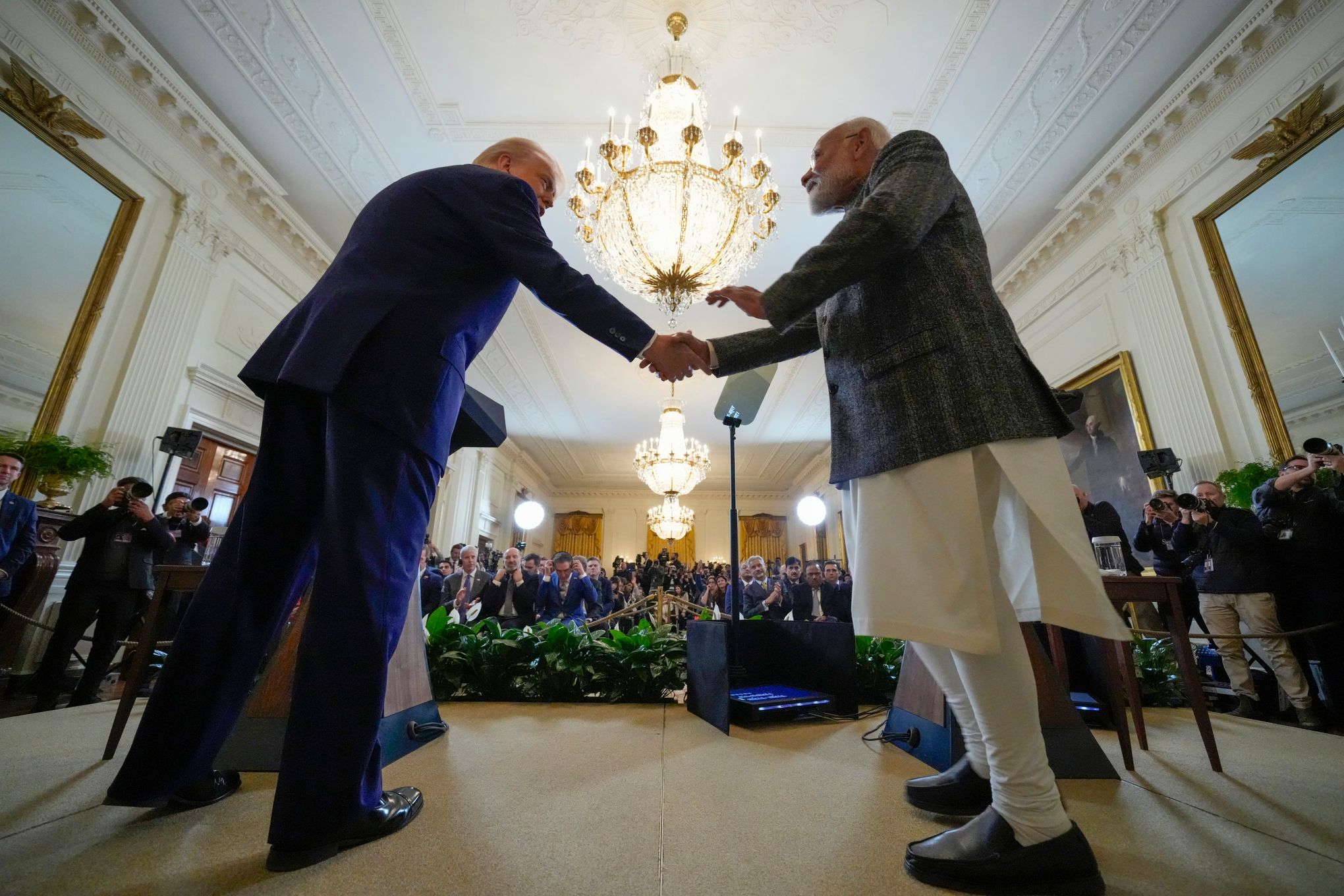
The administration’s trade strategy remains a balancing act between diplomatic overtures and aggressive enforcement. While Trump praised Modi as a "good friend" and claimed the U.S. has successfully reversed a history of lopsided tariffs, the Office of the United States Trade Representative (USTR) has cast a wider net. The agency recently identified 54 economies, including India, China, Australia, Japan, and Russia, for failing to adequately enforce bans on imports produced with forced labor.
These findings triggered new duties ranging from 10 to 12.5 percent on goods from the affected nations. The USTR also singled out the European Union and Canada for similar enforcement gaps. To mitigate the impact of these policies, Washington introduced a specific textile mechanism under Section 301 of the Trade Act of 1974, allowing limited apparel imports at reduced rates for select partners. This dual-track approach aims to address systemic labor violations while maintaining the flow of essential goods.




Comments (0)
No comments yet. Be the first!