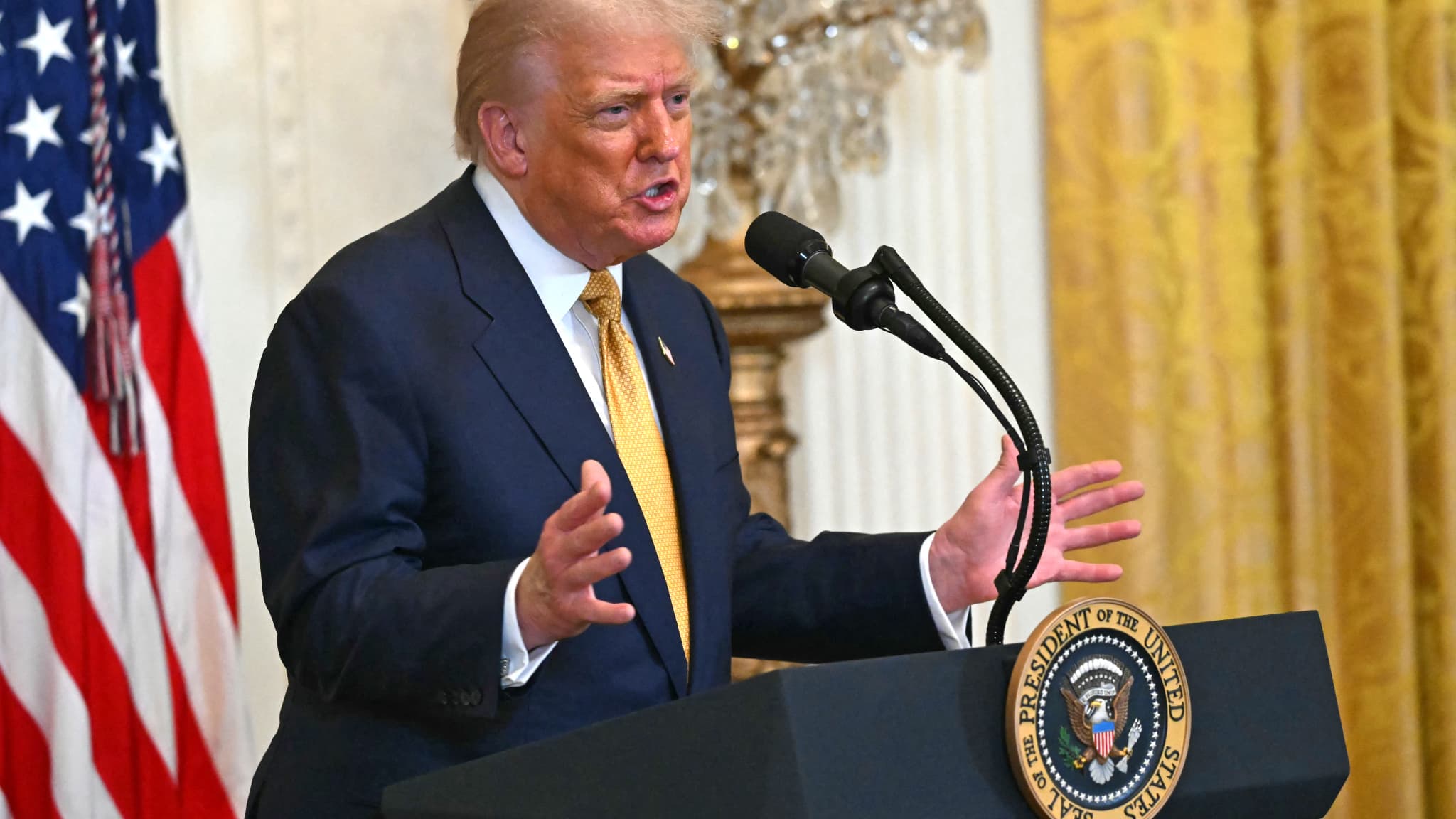
Israel Defense Minister Israel Katz has signaled that the military will not cease operations in Lebanon, explicitly rejecting calls for a withdrawal despite the diplomatic breakthrough. This rigid stance underscores the precarious nature of the accord, which aims to curb hostilities but currently lacks a mechanism to guarantee compliance on the ground.
Beyond the immediate border conflict, the reach of these tensions extends to the global economy, where oil markets remain reactive to the instability. Diplomatic efforts are simultaneously shifting toward the Strait of Hormuz, as President Trump hints at potential negotiations with Iran. Complicating these talks are fresh reports of Iranian forces targeting Kuwait’s airport, a development that threatens to entangle further regional actors in the ongoing cycle of violence.




Comments (0)
No comments yet. Be the first!