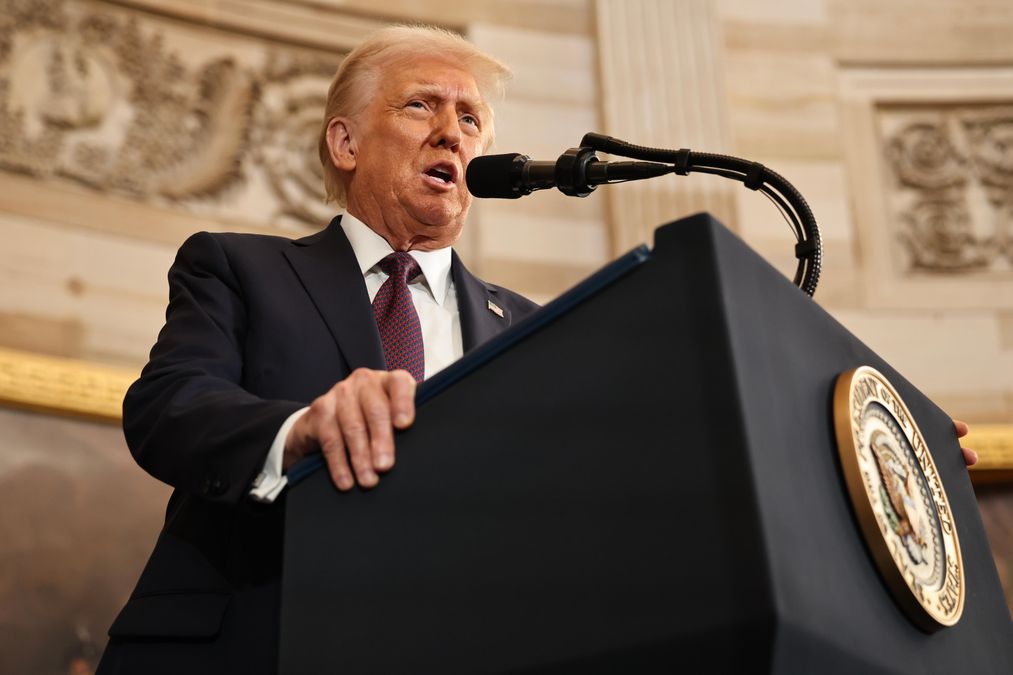
The new balance of power in Washington promises to stall Trump’s legislative agenda, making major tax cuts and large-scale spending programs difficult to enact. Mike Bell of RBC BlueBay Asset Management suggests the political environment resembles a tornado, though he expects minimal immediate change for financial markets. Conversely, UBS Chief Investment Officer Mark Haefele anticipates short-term volatility in regulation-sensitive sectors, noting that debt-ceiling negotiations remain the primary danger for bond markets.
Optimism persists among some observers like Michael Strobaek of Lombard Odier, who views a divided government as a safeguard against extreme policy shifts, potentially benefiting equities. However, Bernhard Schmitt of LLB warns that investors should not mistake political gridlock for a decline in risk. He argues that as Trump’s domestic legislative path narrows, he may rely more heavily on executive orders, particularly regarding tariffs and artificial intelligence standards. This 'angry lame duck' dynamic poses a specific threat to Swiss exporters, who face a stronger franc and persistent trade uncertainty. Santosh Brivio of Migros Bank cautions that a Democratic majority will likely do little to roll back existing tariffs, as the president could use trade policy as a defiant political tool. Ultimately, for global investors, the next two years will be defined not by a fundamental shift in economic policy, but by the unpredictable exercise of executive authority.


Comments (0)
No comments yet. Be the first!